Water → 9-Hydroxy-3-(2-hydroxyethyl)-2-methylpyrido[1,2-a]pyrimidin-4-one
Reaction equation

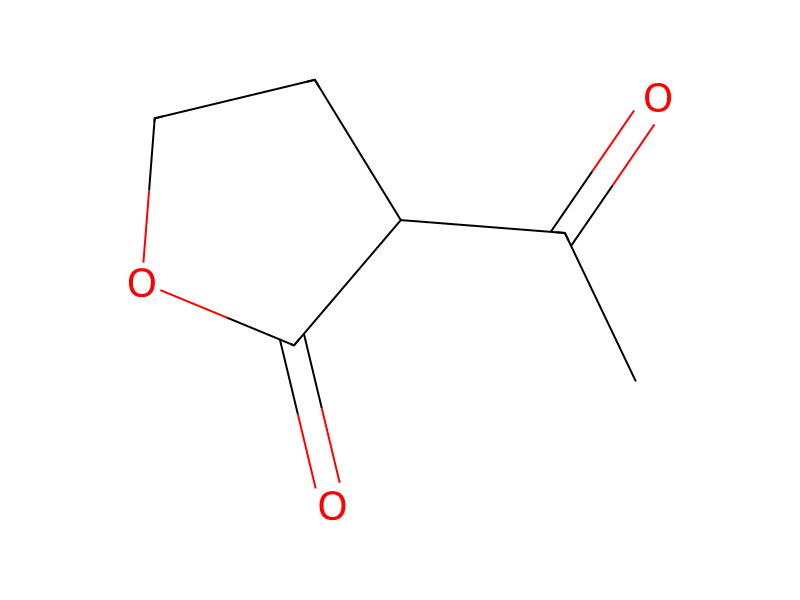
[NH2:1][C:2]1[C:7]([OH:8])=[CH:6][CH:5]=[CH:4][N:3]=1.[C:9]([CH:12]1[CH2:17][CH2:16][O:15][C:13]1=[O:14])(=O)[CH3:10].C1(C)C=CC(S(O)(=O)=O)=CC=1.O>C1(C)C(C)=CC=CC=1>[OH:8][C:7]1[C:2]2=[N:1][C:9]([CH3:10])=[C:12]([CH2:17][CH2:16][OH:15])[C:13](=[O:14])[N:3]2[CH:4]=[CH:5][CH:6]=1Participants
6





Procedure
According to the U.S. Pat. No. 5,688,799 (hereinafter referred to as the '799 patent), the compound of formula I is prepared by the reaction of 2-amino-3-hydroxypyridine with 2-acetylbutyrolactone in the presence of p-toluenesulfonic acid in xylene solvent at reflux temperature for overnight using a water separator to yield 9-hydroxy-3-(2-hydroxyethyl)-2-methyl-4H-pyrido[1,2-a]pyrimidin-4-one. The 9-hydroxy-3-(2-hydroxyethyl)-2-methyl-4H-pyrido[1,2-a]pyrimidin-4-one is converted into its hydrochloride salt, followed by reaction with thionyl chloride in dimethylformamide to produce 9-hydroxy-3-(2-chloroethyl)-2-methyl-4H-pyrido[1,2-a]pyrimidin-4-one.
Workup
- temperatureat reflux temperature for overnight
Sources & evidence
- ORD record
- ord-70209fce92d54ad38f2d996e8371ceec
- Source dataset
- uspto-grants-2011_12
- Patent number
- US08071767B2
Reaction notes
Loading…