Triethylamine → HCID 68684193, compound
Reaction equation

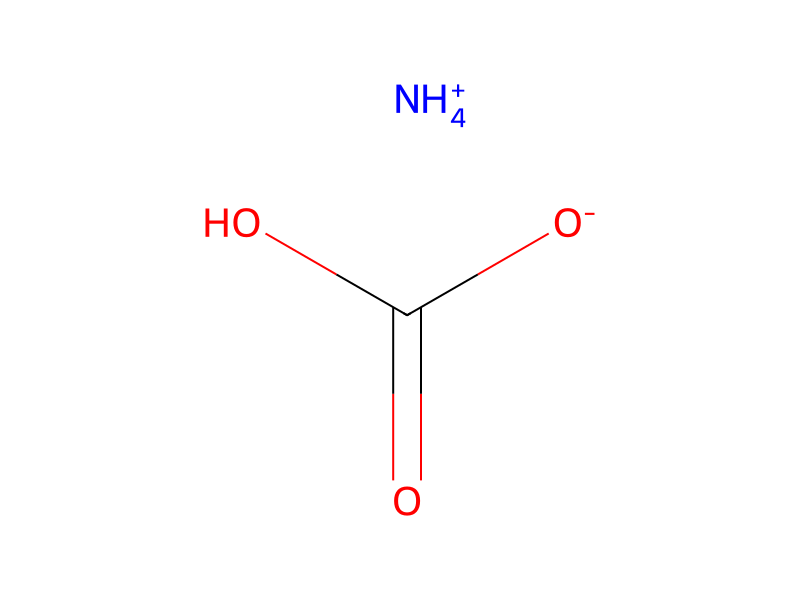
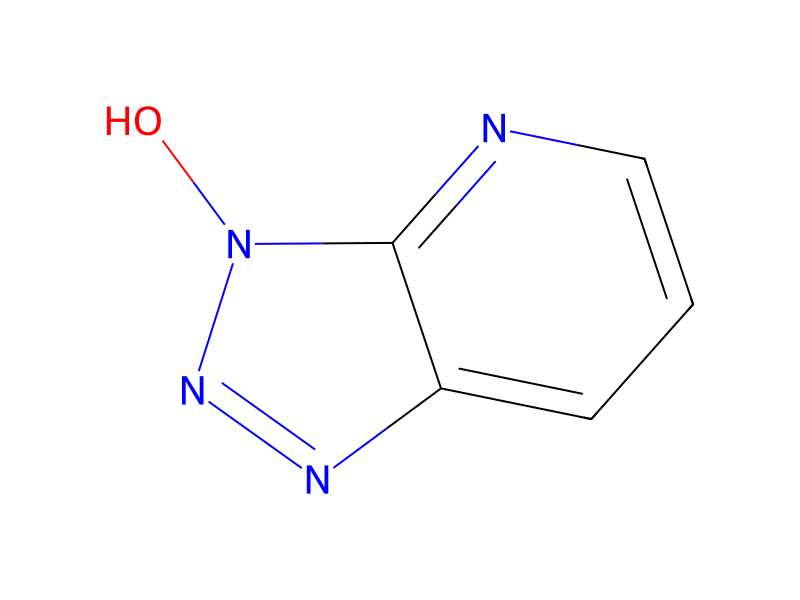
[OH:1][CH:2]1[CH2:7][CH2:6][N:5]([CH2:8][C:9]2[CH:14]=[CH:13][CH:12]=[CH:11][CH:10]=2)[CH2:4][CH:3]1[C:15]([OH:17])=O.C([N:20](CC)CC)C.ON1C2N=CC=CC=2N=N1.Cl.CN(C)CCCN=C=NCC.C(=O)(O)[O-].[NH4+]>CN(C)C=O>[OH:1][CH:2]1[CH2:7][CH2:6][N:5]([CH2:8][C:9]2[CH:14]=[CH:13][CH:12]=[CH:11][CH:10]=2)[CH2:4][CH:3]1[C:15]([NH2:20])=[O:17]Participants
Reactant 5



Product 1

Reagents, catalysts & solvents 1

Procedure
To a solution of 4-hydroxy-1-(phenylmethyl)-3-piperidinecarboxylic acid (12 g) and triethylamine (3.53 mL, 25.5 mmol) in N,N-dimethylformamide (60 mL) was added 1-hydroxy-7-azabenzotriazole (3.48 g, 25.6 mmol) and N-[3-(dimethylamino)propyl]-N′-ethylcarbodiimide hydrochloride (8.54 g, 56.2 mmol). After stirring for 5-10 min. ammonium bicarbonate (15.3 g, 204 mmol) was added. The reaction mixture was stirred at room temperature for overnight. The solvent was then removed under reduced pressure and the residue was dissolved in aqueous sodium bicarbonate and dichloromethane. The aqueous phase was extracted with 9:1 dichloromethane:methanol. The organic layer was dried and evaporated. The residue was chromatographed on silica gel, eluting with 10-20% methanol/dichloromethane, to give the desired compound (4.15 g, 35%). Impure fractions were chromatographed again to give further product (1.02 g).
Workup
- additionwas added
- customThe solvent was then removed under reduced pressure
- dissolutionthe residue was dissolved in aqueous sodium bicarbonate
- extractionThe aqueous phase was extracted with 9:1 dichloromethane
- customThe organic layer was dried
- customevaporated
- customThe residue was chromatographed on silica gel
- washeluting with 10-20% methanol/dichloromethane
Sources & evidence
- ORD record
- ord-197c2d92777b4a248c3ab1b1c83dc793
- Source dataset
- uspto-grants-2011_12
- Patent number
- US08071592B2
Reaction notes
Loading…