Water → HCID 59442619, compound
Reaction equation

[Br:1][C:2]1[CH:6]=[C:5]([C:7]2[CH:12]=[CH:11][CH:10]=[CH:9][CH:8]=2)[NH:4][N:3]=1.[H-].[Na+].Br[CH2:16][CH:17]1[CH2:19][CH2:18]1.O>CN(C=O)C>[Br:1][C:2]1[CH:6]=[C:5]([C:7]2[CH:12]=[CH:11][CH:10]=[CH:9][CH:8]=2)[N:4]([CH2:16][CH:17]2[CH2:19][CH2:18]2)[N:3]=1.[Br:1][C:2]1[N:3]([CH2:16][CH:17]2[CH2:19][CH2:18]2)[N:4]=[C:5]([C:7]2[CH:12]=[CH:11][CH:10]=[CH:9][CH:8]=2)[CH:6]=1Participants
7


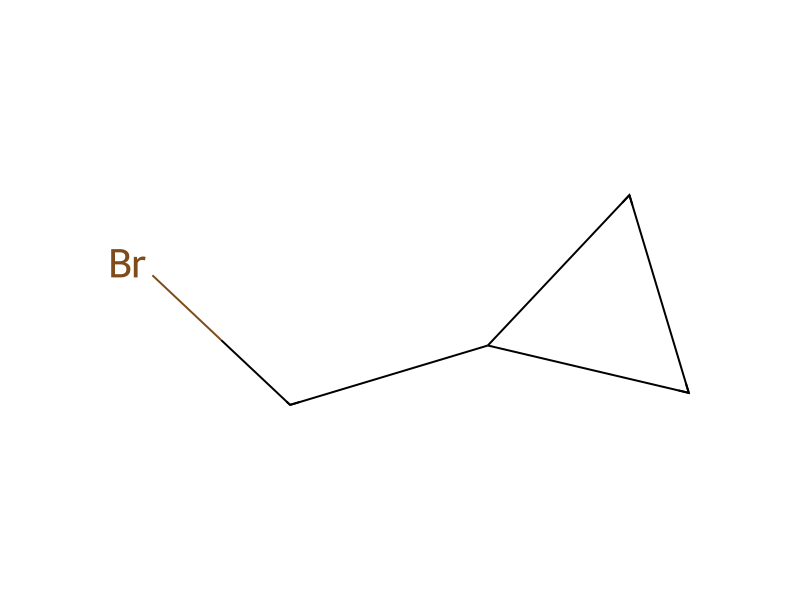



Procedure
5.7 g of 3-bromo-5-phenyl-1H-pyrazole were dissolved in 50 ml of anhydrous DMF, 0.74 g of sodium hydride and 4.1 g of bromomethylcyclopropane were added and the mixture was allowed to stand for 17 h at room temperature. The reaction mixture was then treated with 1 ml of water and the volatile constituents were removed in vacuo. Chromatography on reversed phase silica gel yielded 1.4 g of 3-bromo-1-cyclopropylmethyl-5-phenyl-1H-pyrazole and 2.7 g of 5-bromo-1-cyclopropylmethyl-3-phenyl-1H-pyrazole as viscous oils.
Workup
- customthe volatile constituents were removed in vacuo
Sources & evidence
- ORD record
- ord-2c215584cfb84e72895df359fa37af9b
- Source dataset
- uspto-grants-2011_12
- Patent number
- US08076324B2
Reaction notes
Loading…