Ammonia → 4-(4-Methyl-1H-imidazol-1-yl)-2-nitroaniline
Reaction equation

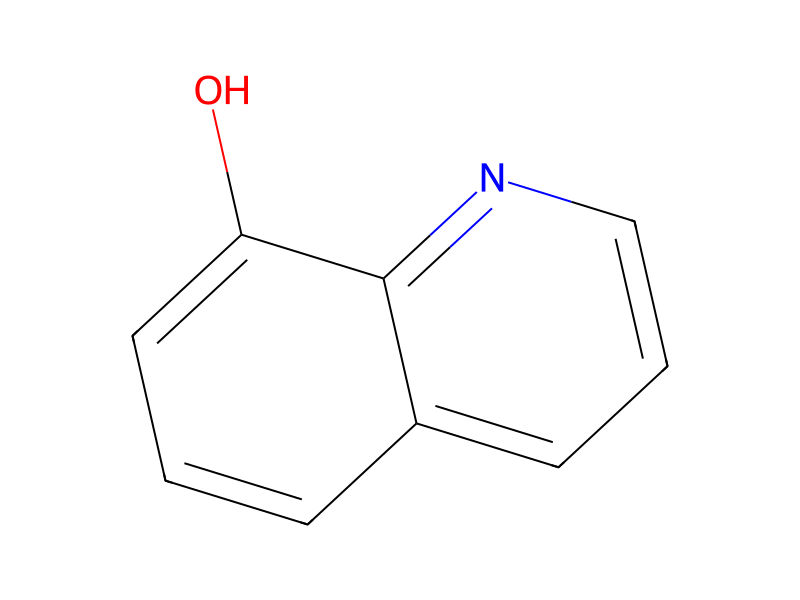
Br[C:2]1[CH:8]=[CH:7][C:5]([NH2:6])=[C:4]([N+:9]([O-:11])=[O:10])[CH:3]=1.[CH3:12][C:13]1[N:14]=[CH:15][NH:16][CH:17]=1.C([O-])([O-])=O.[K+].[K+].OC1C=CC=C2C=1N=CC=C2.N>CS(C)=O.[Cu]I.CCOC(C)=O.O>[CH3:12][C:13]1[N:14]=[CH:15][N:16]([C:2]2[CH:8]=[CH:7][C:5]([NH2:6])=[C:4]([N+:9]([O-:11])=[O:10])[CH:3]=2)[CH:17]=1Participants
Reactant 5




Product 1

Reagents, catalysts & solvents 4




Conditions
- Temperature
- 120 °C
Procedure
A suspension of 4-bromo-2-nitroaniline (4.34 g, 20 mmol), 4-methylimidazole (1.97 g, 24 mmol), K2CO3 (3.04 g, 22 mmol), CuI (0.57 g, 3 mmol) and 8-hydroxyquinoline (0.44 g, 3 mmol) in 20 mL DMSO was stirred at 120° C. in a sealed tube under Ar2 for 29 hrs. The mixture was cooled down to rt and 28% aqueous ammonia (10 mL) was added and then H2O and EtOAc were added. The aqueous layer was extracted with EtOAc (80 mL×3) and the organic layer was washed with brine, dried with Na2SO4, after filtration, the filtrate was evaporated in vacuo and the residue was washed with PE/EtOAc to give 2.47 g product as a red solid (56.6%). 1H NMR (300 MHz, DMSO-d6) δ: 8.03 (1 H, d, J=2.1 Hz), 7.64-7.68 (1 H, dd, J=2.1 and 9.0 Hz), 7.53 (2 H, brs), 7.10-7.13 (1 H, d, J=9.0 Hz), 2.12 (3 H, s). LCMS: m/z [M+H]+ 219.0895.
Workup
- temperatureThe mixture was cooled down to rt
- extractionThe aqueous layer was extracted with EtOAc (80 mL×3)
- washthe organic layer was washed with brine
- dry with materialdried with Na2SO4
- filtrationafter filtration
- customthe filtrate was evaporated in vacuo
- washthe residue was washed with PE/EtOAc
Sources & evidence
- ORD record
- ord-ce16e259eca64cf09bbd49711ee199b8
- Source dataset
- uspto-grants-2015_11
- Patent number
- US09174996B2
Reaction notes
Loading…