Potassium Carbonate → 3-Methoxybiphenyl
Reaction equation

Br[C:2]1[CH:3]=[C:4]([O:8][CH3:9])[CH:5]=[CH:6][CH:7]=1.[C:10]1(B(O)O)[CH:15]=[CH:14][CH:13]=[CH:12][CH:11]=1.C(=O)([O-])[O-].[K+].[K+]>C1(C)C(C)=CC=CC=1>[CH3:9][O:8][C:4]1[CH:3]=[C:2]([C:10]2[CH:15]=[CH:14][CH:13]=[CH:12][CH:11]=2)[CH:7]=[CH:6][CH:5]=1Participants
5
Reactant 3

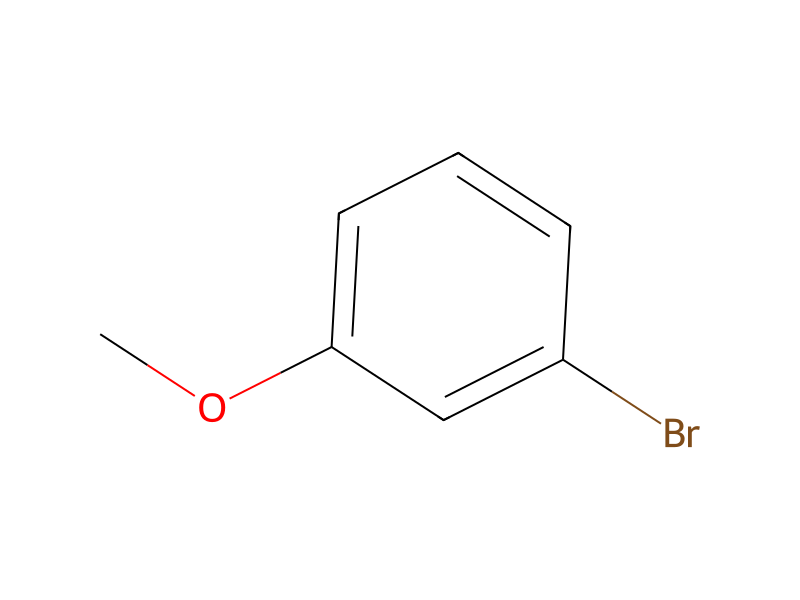

Product 1

Reagents, catalysts & solvents 1

Conditions
- Temperature
- 130 °C
Procedure
190 mg 3-bromoanisole, 183 mg phenyl boronic acid and 275 mg potassium carbonate are mixed in 2 ml xylene. To this is added 27 mg of the catalyst from example 5a (corresponds to 0.5 mol % palladium). The reaction mixture is stirred and heated, under an atmosphere of nitrogen, to a temperature of 130° C. for a period of 2 hours. A GC analysis showed that all starting material is consumed and 3-methoxy biphenyl is formed selectively (100% conversion).
Workup
- customis consumed
Sources & evidence
- ORD record
- ord-8f78df08e1de48d4a07cb8ff47581ed9
- Source dataset
- uspto-grants-2009_09
- Patent number
- US07594962B2
Reaction notes
Loading…