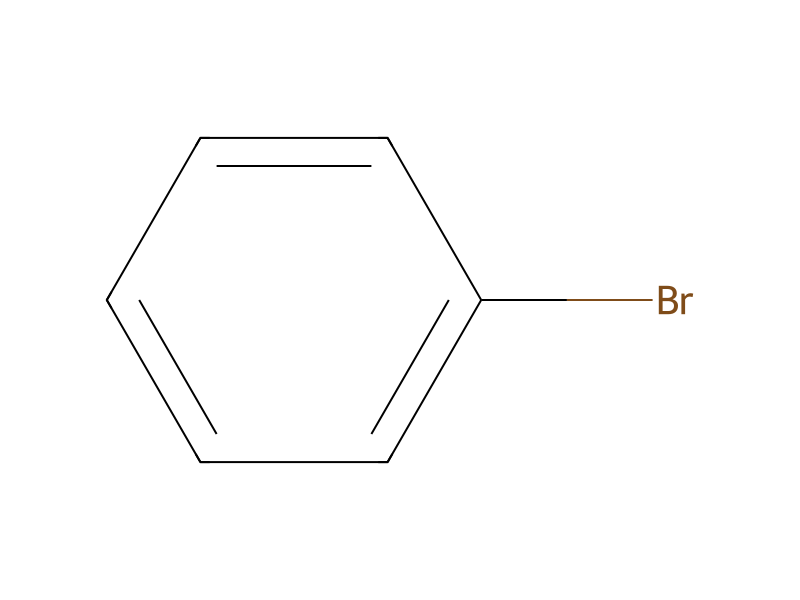
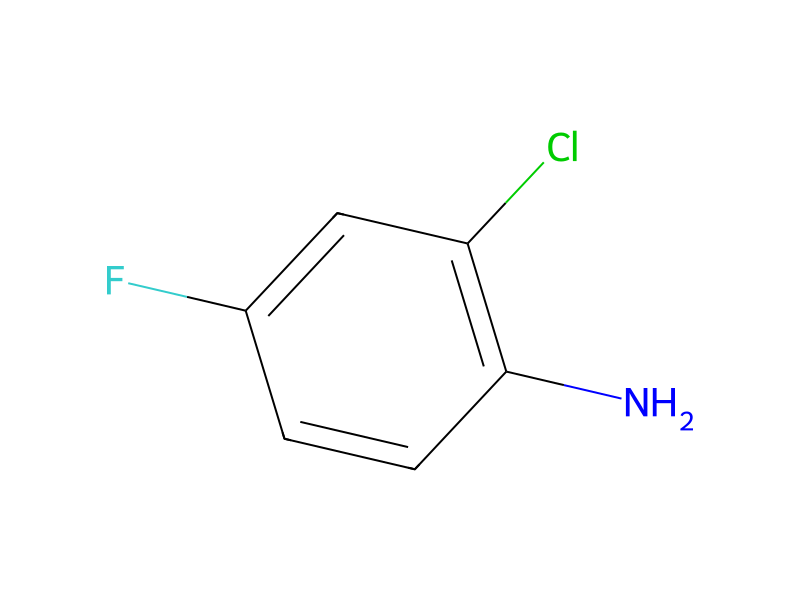
Bromobenzene → 2-chloro-4-fluoro-N-phenylaniline
Reaction equation

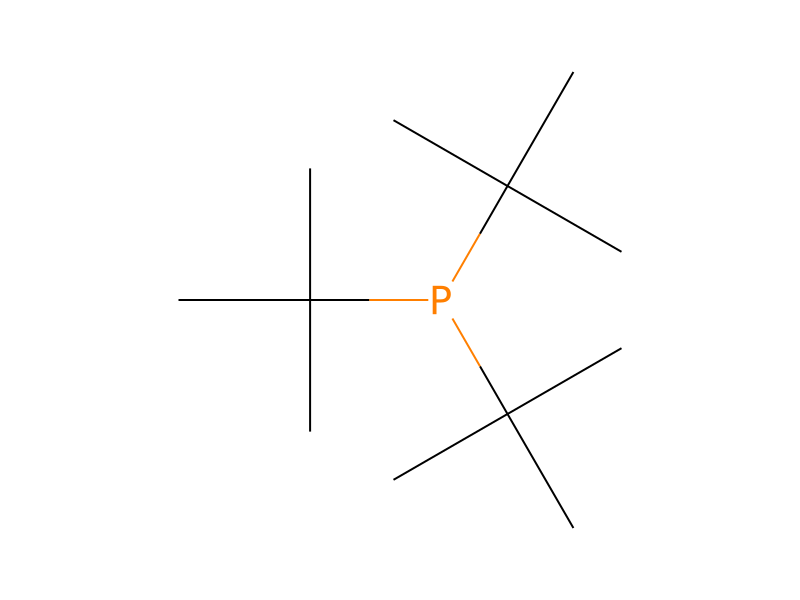
[Cl:1][C:2]1[CH:8]=[C:7]([F:9])[CH:6]=[CH:5][C:3]=1[NH2:4].Br[C:11]1[CH:16]=[CH:15][CH:14]=[CH:13][CH:12]=1.C(P(C(C)(C)C)C(C)(C)C)(C)(C)C.CC(C)([O-])C.[Na+]>C([O-])(=O)C.[Pd+2].C([O-])(=O)C.CC1C=CC=CC=1C>[Cl:1][C:2]1[CH:8]=[C:7]([F:9])[CH:6]=[CH:5][C:3]=1[NH:4][C:11]1[CH:16]=[CH:15][CH:14]=[CH:13][CH:12]=1Participants
7
Reactant 4

Product 1

Reagents, catalysts & solvents 2


Procedure
A mixture of 35 g (240 mmole) 2-chloro-4-fluoroaniline, 37.7 g (240 mmole) of bromobenzene, 0.6 g (12 mmole) of palladium (II)acetate, 4.8 g (24 mmole) of tri-tert-butylphosphine, 46 g (480 mmole) of sodium tert-butoxide and o-xylene 800 ml were refluxed under nitrogen for about overnight. Then, the solution was filtered at 100° C. To receive the filtrate, And the o-xylene was removed under reduced pressure from the filtrate. The filtrate was extracted with 500 ml dichloromethane and 2000 ml water, the organic layer was dried with anhydrous magnesium sulfate, the solvent was removed and the residue was purified by column chromatography on silica (hexane-ethyl acetate) to give product 23.4 g (44%).
Workup
- temperaturewere refluxed under nitrogen for about overnight
- filtrationThen, the solution was filtered at 100° C
- customthe o-xylene was removed under reduced pressure from the filtrate
- extractionThe filtrate was extracted with 500 ml dichloromethane and 2000 ml water
- dry with materialthe organic layer was dried with anhydrous magnesium sulfate
- customthe solvent was removed
- customthe residue was purified by column chromatography on silica (hexane-ethyl acetate)
Sources & evidence
- ORD record
- ord-18d148fb42554e4b89a7bcf6d9cb2e59
- Source dataset
- uspto-grants-2015_03
- Patent number
- US08993130B2
Reaction notes
Loading…