Potassium Carbonate → HCID 68940684, compound
Reaction equation

Cl[C:2]1[N:7]=[CH:6][N:5]=[C:4]([NH2:8])[CH:3]=1.[C:9]1(P(C2C=CC=CC=2)CCCP(C2C=CC=CC=2)C2C=CC=CC=2)[CH:14]=CC=C[CH:10]=1.[C:38](=O)([O-:40])[O-:39].[K+].[K+]>C(O)CC.CN(C=O)C.C([O-])(=O)C.[Pd+2].C([O-])(=O)C>[CH2:10]([O:40][C:38]([C:2]1[CH:3]=[C:4]([NH2:8])[N:5]=[CH:6][N:7]=1)=[O:39])[CH2:9][CH3:14]Participants
Reactant 3



Product 1

Reagents, catalysts & solvents 3


Conditions
- Temperature
- 90 °C
Procedure
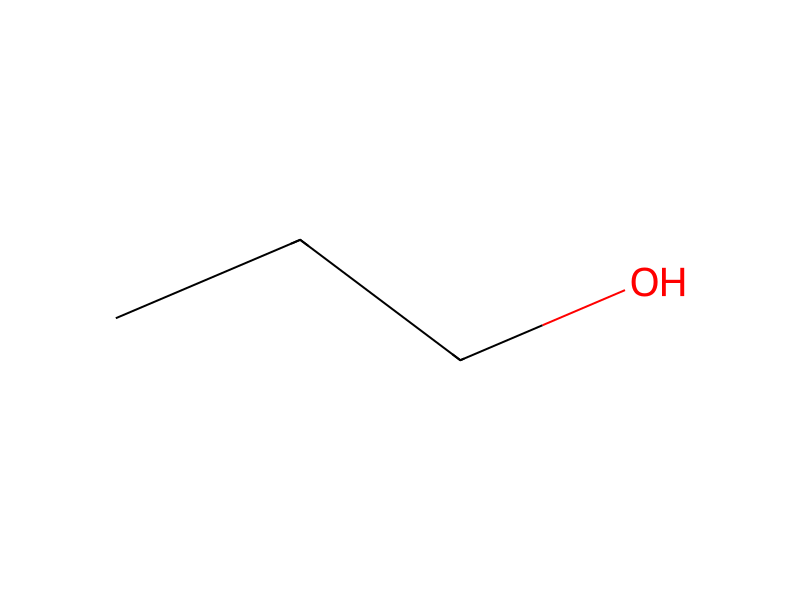
A mixture of 6-chloro-4-aminopyrimidine (2.00 g, 15.4 mmol), palladium acetate (361 mg, 1.61 mmol), 1,3-bis(diphenylphosphino)propane (631 mg, 1.52 mmol), and potassium carbonate (2.55 g, 18.5 mmol) in n-propanol (45 mL) and DMF (15 mL) was stirred at 90° C. under carbon monoxide atmosphere. The mixture was allowed to stand and cool to room temperature, and then filtered through Celite. Aqueous sodium bicarbonate solution was added to the filtrate, which was extracted with ethyl acetate. The organic phase was washed with saturated brine and dried over anhydrous magnesium sulfate, and then the solvent was evaporated off in vacuo. The residue was purified by column chromatography on silica gel (chloroform/methanol=100/1 to 50/1) to give the title compound (1.86 g, 10.3 mmol, yield 67%).
Workup
- temperaturecool to room temperature
- filtrationfiltered through Celite
- additionAqueous sodium bicarbonate solution was added to the filtrate, which
- extractionwas extracted with ethyl acetate
- washThe organic phase was washed with saturated brine
- dry with materialdried over anhydrous magnesium sulfate
- customthe solvent was evaporated off in vacuo
- customThe residue was purified by column chromatography on silica gel (chloroform/methanol=100/1 to 50/1)
Sources & evidence
- ORD record
- ord-1f60e07cb432463a96689ac5de59638d
- Source dataset
- uspto-grants-2012_08
- Patent number
- US08236841B2
Reaction notes
Loading…