Chloride → Ethyl 1-cyano-3-(2,2-dichlorovinyl)-2,2-dimethylcyclopropane-1-carboxylate
Reaction equation

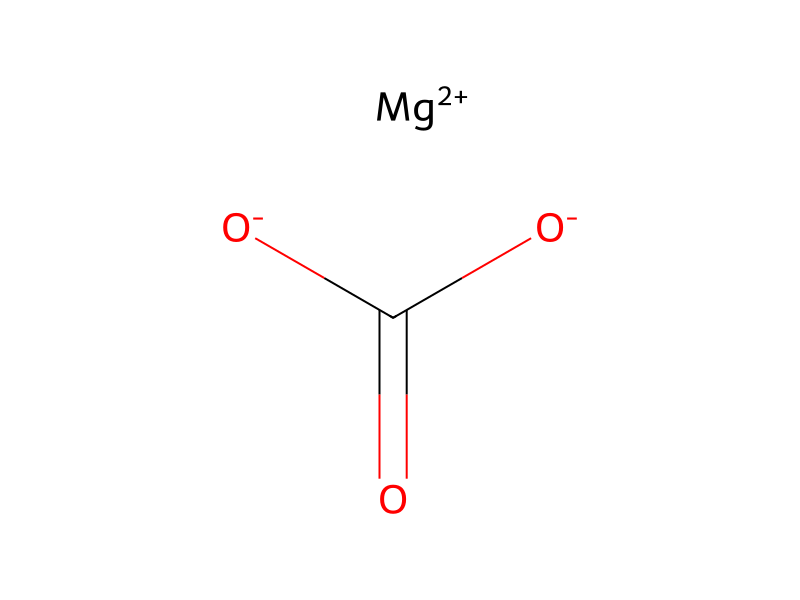
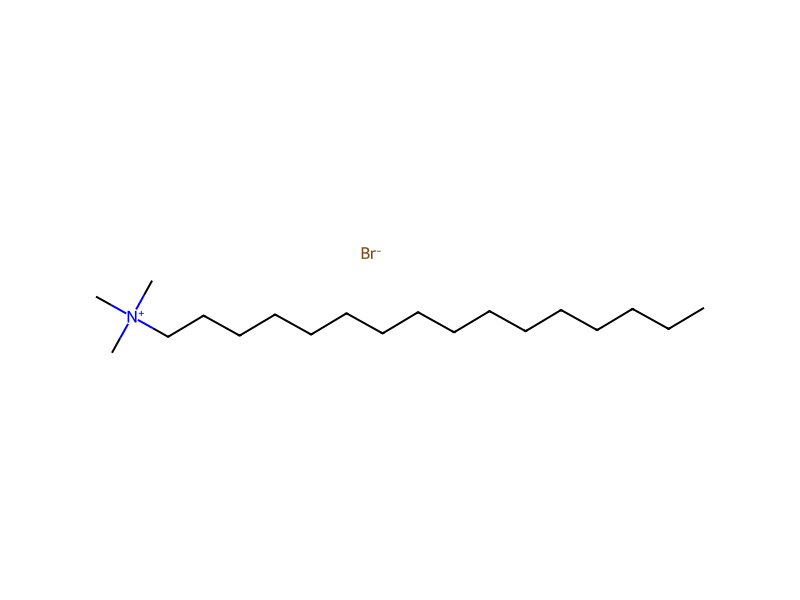
[C:1]([CH2:3][C:4]([O:6][CH2:7][CH3:8])=[O:5])#[N:2].[Cl:9][C:10]([Cl:18])=[CH:11][CH:12](Br)[C:13](Br)([CH3:15])[CH3:14].[Ca].C(=O)([O-])[O-].[Mg+2].[Cl-].Cl>O.[Br-].C([N+](C)(C)C)CCCCCCCCCCCCCCC.[Cl-].C[N+](CC)(CC)CC.[Cu].C(OCCCC)(=O)C>[C:1]([C:3]1([C:4]([O:6][CH2:7][CH3:8])=[O:5])[CH:12]([CH:11]=[C:10]([Cl:18])[Cl:9])[C:13]1([CH3:15])[CH3:14])#[N:2]Participants
Reactant 6





Product 1

Reagents, catalysts & solvents 5




Procedure
A mixture of ethyl cyanoacetate (24.88 parts), 1,1-dichloro-3,4-dibromo-4-methylpent-1-ene (62.2 parts), calcium or magnesium carbonate and metal chloride is heated in water (100 parts) in the presence of a phase transfer catalyst (either cetyl trimethyl ammonium bromide (CTMAB) or methyl triethyl ammonium chloride (MTEAC)]] and a copper salt as catalyst. The reaction mass is cooled to room temperature, n-butyl acetate (100 parts by volume) water (100 parts) and hydrochloric acid (100 parts by volume) are added and the mixture is stirred for 30 minutes, filtered from extraneous matter and the filtrates separated. The butyl acetate layer is washed with water (4×100 parts) and evaporated under reduced pressure to remove the butyl acetate and yield the crude ethyl 1-cyano-3-(2',2'-dichlorovinyl)-2,2-dimethyl-cyclopropane-1-carboxylate. The yield, strength and composition of the product is given in the following table, together with other details.
Workup
- filtrationfiltered from extraneous matter
- customthe filtrates separated
- washThe butyl acetate layer is washed with water (4×100 parts)
- customevaporated under reduced pressure
- customto remove the butyl acetate
Sources & evidence
- ORD record
- ord-1f98ea6235da407b987a205ab0fdcc38
- Source dataset
- uspto-grants-1981_08
- Patent number
- US04284582
Reaction notes
Loading…