18-Crown-6 → Methyl 2-[(2-nitrophenyl)amino]acetate
Reaction equation

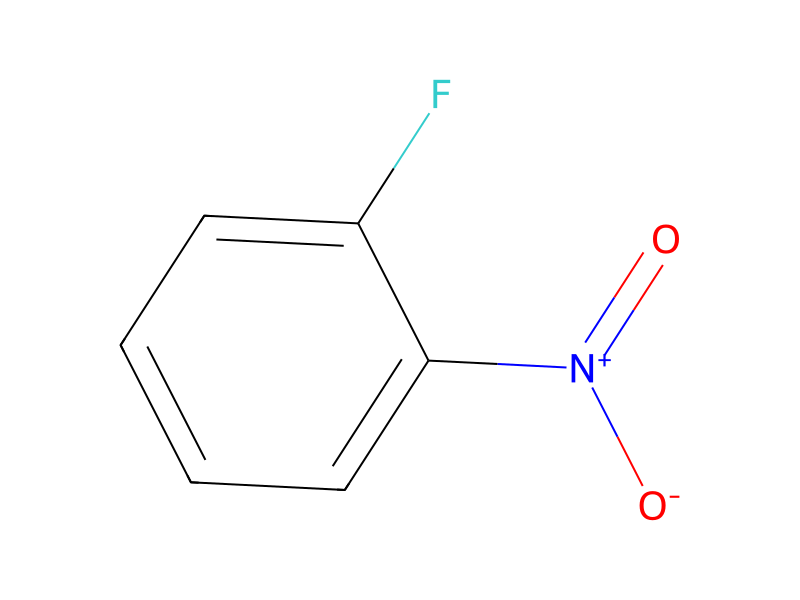
Cl.[CH3:2][O:3][C:4](=[O:7])[CH2:5][NH2:6].C(N(C(C)C)CC)(C)C.C1OCCOCCOCCOCCOCCOC1.[F-].[K+].F[C:38]1[CH:43]=[CH:42][CH:41]=[CH:40][C:39]=1[N+:44]([O-:46])=[O:45].S([O-])(O)(=O)=O.[K+]>C(#N)C.C(OCC)(=O)C>[CH3:2][O:3][C:4](=[O:7])[CH2:5][NH:6][C:38]1[CH:43]=[CH:42][CH:41]=[CH:40][C:39]=1[N+:44]([O-:46])=[O:45]Participants
9
Reactant 6





Product 1

Reagents, catalysts & solvents 2


Conditions
- Temperature
- 80 °C
Procedure
Glycine methyl ester hydrochloride (2.2 g, 18 mmol), diisopropylethylamine (2.9 g, 29 mmol), 18-crown-6 (370 mg, 1.4 mmol) and potassium fluoride (1.6 g, 28 mmol) were added to a solution of 1-fluoro-2-nitrobenzene (2 g, 14 mmol) in acetonitrile (150 ml). The mixture was heated at 80° C. for 48 h and cooled. 0.3N potassium hydrogen sulphate and ethyl acetate were added and the mixture separated. The organic phase was washed with water and brine, filtered through phase separation paper and reduced. Chromatography (15% EtOAc/85% 6080 petroleum ether) afforded N-(2-nitrophenyl)glycine methyl ester as a yellow solid (2.5 g, 85%).
Workup
- temperaturecooled
- customthe mixture separated
- washThe organic phase was washed with water and brine
- filtrationfiltered through phase separation paper
Sources & evidence
- ORD record
- ord-c66858a5313d4adc9bc7c03a88dfdf7a
- Source dataset
- uspto-grants-2008_04
- Patent number
- US07365065B2
Reaction notes
Loading…