Carbazole → 9-(1-Naphthyl)-9H-carbazole
Reaction equation

Br[C:2]1[C:11]2[C:6](=[CH:7][CH:8]=[CH:9][CH:10]=2)[CH:5]=[CH:4][CH:3]=1.[CH:12]1[C:24]2[NH:23][C:22]3[C:17](=[CH:18][CH:19]=[CH:20][CH:21]=3)[C:16]=2[CH:15]=[CH:14][CH:13]=1.C(=O)([O-])[O-].[K+].[K+].C1OCCOCCOCCOCCOCCOC1>[Cu](I)I.C1OCCOCCOCCOCCOCCOC1.C1(C)C=CC=CC=1.CN1CCCN(C)C1=O>[C:2]1([N:23]2[C:24]3[CH:12]=[CH:13][CH:14]=[CH:15][C:16]=3[C:17]3[C:22]2=[CH:21][CH:20]=[CH:19][CH:18]=3)[C:11]2[C:6](=[CH:7][CH:8]=[CH:9][CH:10]=2)[CH:5]=[CH:4][CH:3]=1Participants
Reactant 4




Product 1

Reagents, catalysts & solvents 4


Conditions
- Temperature
- 170 °C
Procedure
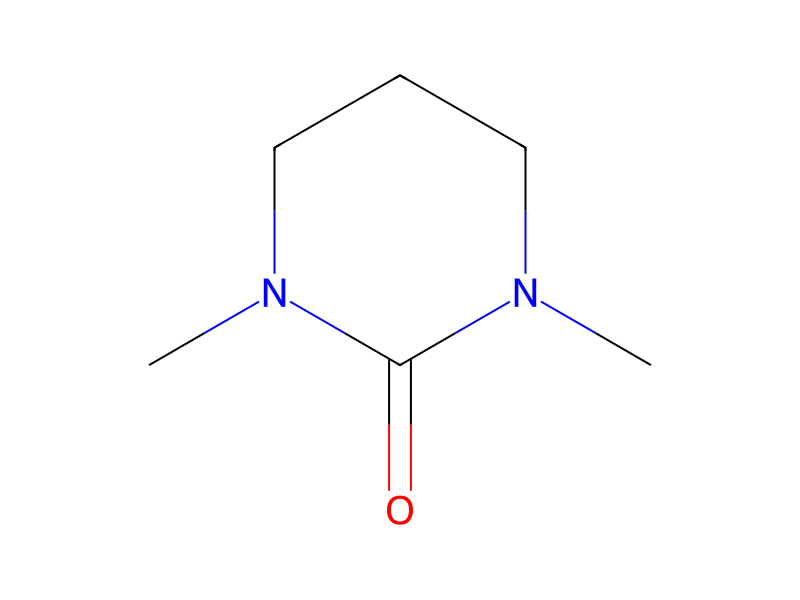
21 g (0.1 mol) of 1-bromonaphthalene, 17 g (0.1 mol) of carbazole, 950 mg (5 mmol) of copper iodide (1), 33 g (240 mmol) of potassium carbonate, and 660 mg (2.5 mmol) of 18-crown-6-ether were put into a 500 mL three-neck flask, and nitrogen substitution was carried out in the flask. To this mixture was added 80 mL of 1,3-dimethyl-3,4,5,6-tetrahydro-2(1H)-pyrimidinone (abbreviation: DMPU), which was followed by stirring for 6 hours at 170° C. under nitrogen. To this reaction mixture was further added 10 g (50 mmol) of 1-bromonaphthalene, 2.0 g (10 mmol) of copper iodide (I), and 2.6 g (10 mmol) of 18-crown-6-ether, and stirring was further conducted for 7.5 hours at 170° C. Furthermore, to this reaction mixture was added 10 g (50 mmol) of 1-bromonaphthalene, and additional stirring was carried out for 6 hours at 180° C. After the reaction was completed, to this reaction mixture was added about 200 mL of toluene and about 100 of 1 mol/L hydrochloric acid, and then the mixture was filtered through celite. The obtained filtrate was filtered through Florisil and celite. The obtained filtrate was separated into an organic layer and an aqueous layer, and after this organic layer was washed with 1 mol/L hydrochloric acid and then with water, the organic layer was dried over magnesium sulfate. This suspension was filtered through Florisil and celite. The filtrate was concentrated to give an oily substrate, and methanol was added to this oily substrate, followed by irradiation with ultrasound to precipitate a solid. The solid precipitated was collected by suction filtration, giving 22 g of 9-(1-naphthyl)carbazole as white powder (75% yield). The Rf values (SiO2, eluent; hexane:ethyl acetate=10:1) of 9-(1-naphthyl)carbazole, 1-bromonaphthalene, and carbazole were 0.61, 0.74, and 0.24, respectively.
Workup
- stirringstirring
- waitwas further conducted for 7.5 hours at 170° C
- stirringadditional stirring
- waitwas carried out for 6 hours at 180° C
- filtrationabout 100 of 1 mol/L hydrochloric acid, and then the mixture was filtered through celite
- filtrationThe obtained filtrate was filtered through Florisil and celite
- customThe obtained filtrate was separated into an organic layer
- washan aqueous layer, and after this organic layer was washed with 1 mol/L hydrochloric acid
- dry with materialwith water, the organic layer was dried over magnesium sulfate
- filtrationThis suspension was filtered through Florisil and celite
- concentrationThe filtrate was concentrated
- customto give an oily substrate, and methanol
- additionwas added to this oily substrate
- customfollowed by irradiation with ultrasound
- customto precipitate a solid
- customThe solid precipitated
- filtrationwas collected by suction filtration
Sources & evidence
- ORD record
- ord-8f6badfec15c44f6bf59bab913c0b320
- Source dataset
- uspto-grants-2016_03
- Patent number
- US09287511B2
Reaction notes
Loading…