Hydrochloric Acid → HCID 71667659, compound
Reaction equation

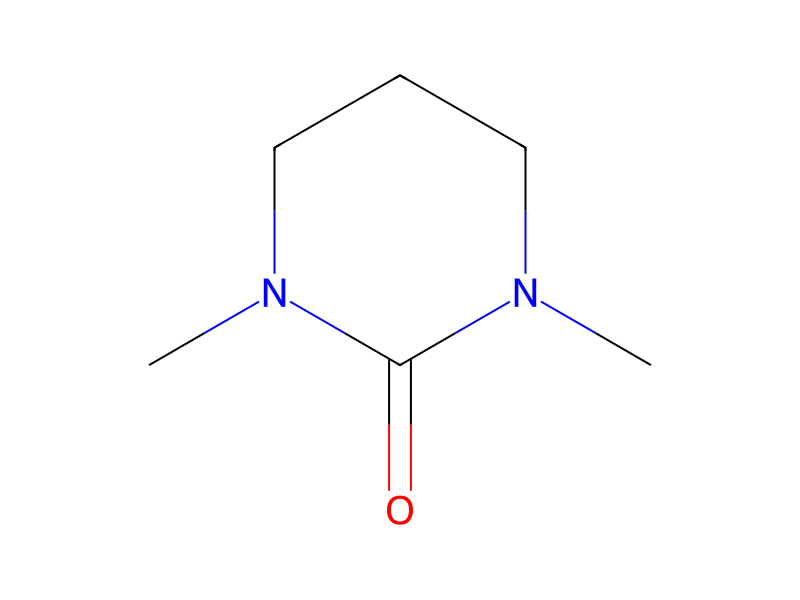
[F:1][C:2]1[C:7]2[N:8]=[CH:9]S[C:6]=2[CH:5]=[C:4]([C:11]([NH:13][O:14][CH2:15][CH2:16][O:17]C=C)=[O:12])[C:3]=1[NH:20][C:21]1[CH:26]=[CH:25][C:24]([I:27])=[CH:23][C:22]=1[F:28].Cl.[OH:30]S(O)(=O)=O.FC(F)(F)C(O)=O.S1(CCCC1)(=O)=O>ClCCCl.ClCCl.CN1C(=O)N(C)CCC1.CN(P(N(C)C)(N(C)C)=O)C.CS(C)=O.CCOCC>[F:1][C:2]1[C:7]2[N:8]=[CH:9][O:30][C:6]=2[CH:5]=[C:4]([C:11]([NH:13][O:14][CH2:15][CH2:16][OH:17])=[O:12])[C:3]=1[NH:20][C:21]1[CH:26]=[CH:25][C:24]([I:27])=[CH:23][C:22]=1[F:28]Participants
Reactant 5




Product 1

Reagents, catalysts & solvents 6





Procedure
4-Fluoro-5-((2-fluoro-4-iodophenyl)amino)-N-(2-(vinyloxy)ethoxy)benzo[d]thiazole-6-carboxamide can be reacted in the presence of acid (such as HCl, H2SO4, trifluoroacetic acid) in appropriate solvent (include aliphatic and aromatic hydrocarbon (such as pentane, hexane, heptane, cyclohexane, petroleum ether, petrol, gasoline, benzene, toluene, xylene), aliphatic and aromatic halo-hydrocarbon (such as dichloromethane, 1,2-dichloroethane, chloroform, phenixin, chlorobenzene, o-dichlorobenzene), ether (such as diethyl ether, dibutyl ether, glycol dimethyl ether, 2-methoxyethyl ether, tetrahydrofuran, dioxane), ketone (such as acetone, methyl ethyl ketone, methyl isopropyl ketone, methyl isobutyl ketone), ester (such as ethyl acetate, methyl acetate), nitrile (such as acetonitrile, propiononitrile), amide (such as N,N-dimethylformamide, N,N-dimethylacetamide and N-methylpyrrolidin-2-one), DMSO, sulfolane, HMPA, DMPU, prefer dichloromethane and 1,2-dichloroethane) for some time (1-12 h, prefer 3-10 h). 4-Fluoro-5-((2-fluoro-4-iodophenyl)amino)-N-(2-hydroxy ethoxy)benzo[d]oxazole-6-carboxamide is obtained after conventional workup.
Sources & evidence
- ORD record
- ord-a3ea59415a1f4ca29ce207eaaf88832f
- Source dataset
- uspto-grants-2016_03
- Patent number
- US09290468B2
Reaction notes
Loading…