Hydrogen Bromide → HCID 22290105, compound
Reaction equation

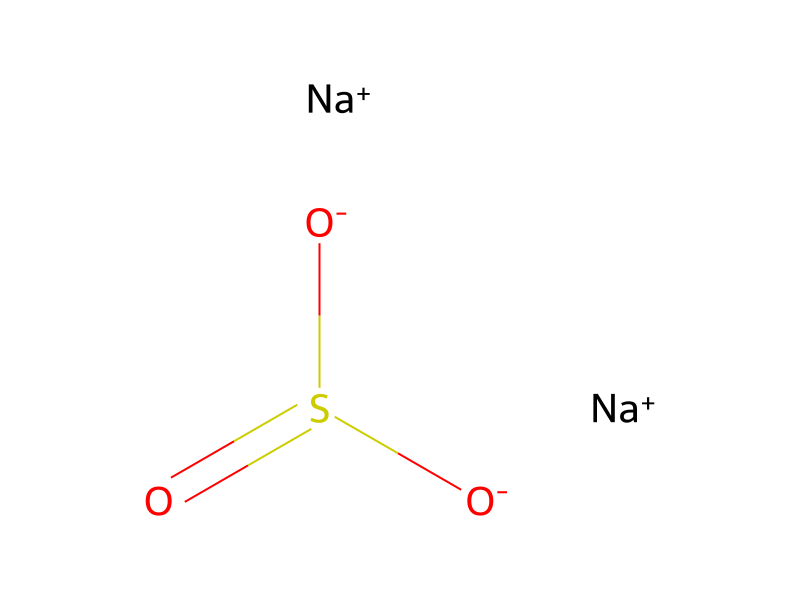
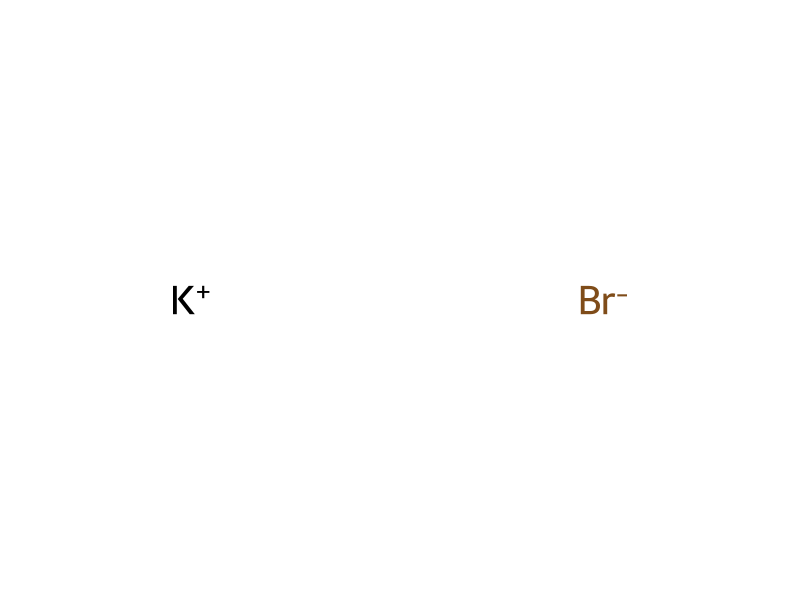
C[O:2][C:3]1[CH:8]=[CH:7][C:6]([P:9](=[O:25])([C:17]2[CH:22]=[CH:21][C:20]([O:23]C)=[CH:19][CH:18]=2)[C:10]2[CH:15]=[CH:14][C:13]([CH3:16])=[CH:12][CH:11]=2)=[CH:5][CH:4]=1.Br.[Br-].[K+].S([O-])([O-])=O.[Na+].[Na+].CBr>>[OH:2][C:3]1[CH:4]=[CH:5][C:6]([P:9](=[O:25])([C:17]2[CH:22]=[CH:21][C:20]([OH:23])=[CH:19][CH:18]=2)[C:10]2[CH:15]=[CH:14][C:13]([CH3:16])=[CH:12][CH:11]=2)=[CH:7][CH:8]=1Participants
6




Conditions
- Temperature
- 110 °C
Procedure
A mixture of bis(4-methoxyphenyl)(4-methylphenyl)phosphine oxide mixture (470.2 g, 1.33 mol), hydrobromic acid (1458.1 g, 48%, 8.65 mol), and potassium bromide (45.0 g, 0.378 mol) were stirred for 112 h at 110° C. The flask was fitted with a sodium sulfite scrubber for containment of methyl bromide. The lower aqueous layer was removed and the molten product layer was worked up to give bis(4-hydroxyphenyl)-(4-methylphenyl)phosphine oxide mixture as a tan powder (292.8 g, 77% yield). m.p. (DSC): 142.5° C. 31P NMR (d6-DMSO): 28.33 (s, 90.1%), 28.14 (s, 9.86%). LC(area %, THF:MeCN:water, 5:15:30): 16.2, 48.9, 20.1.
Workup
- customThe lower aqueous layer was removed
Sources & evidence
- ORD record
- ord-82a4ff7296c543e98e3595b014078c59
- Source dataset
- uspto-grants-2005_10
- Patent number
- US06955851B2
Reaction notes
Loading…