Diethylcarbamoyl chloride → HCID 19799635, compound
Reaction equation

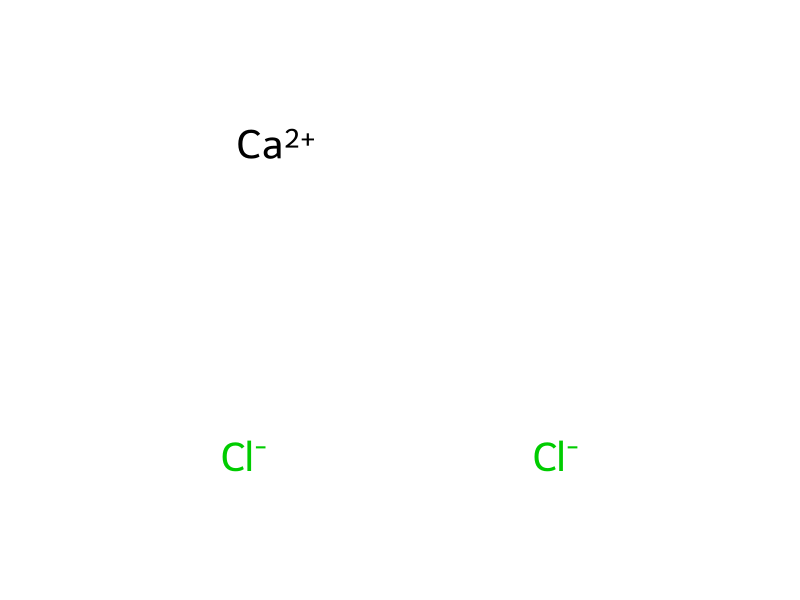
C(O)(=O)C(O)=O.[F:7][C:8]([F:21])([F:20])[C:9]1[CH:10]=[C:11]([CH:17]=[CH:18][CH:19]=1)[O:12][CH:13]1[CH2:16][NH:15][CH2:14]1.C(N(CC)CC)C.[CH2:29]([N:31]([CH2:35][CH3:36])[C:32](Cl)=[O:33])[CH3:30].[Cl-].[Ca+2].[Cl-]>O1CCCC1.O>[CH2:29]([N:31]([CH2:35][CH3:36])[C:32]([N:15]1[CH2:16][CH:13]([O:12][C:11]2[CH:17]=[CH:18][CH:19]=[C:9]([C:8]([F:7])([F:20])[F:21])[CH:10]=2)[CH2:14]1)=[O:33])[CH3:30]Participants
7






Procedure
A stirred slurry of 5 g (0.0163 mole) of 3-[3-(trifluoromethyl)phenoxy]azetidine oxalate in 50 ml of tetrahydrofuran was treated with 5 ml of triethylamine and after 1 hr, 2.5 g (0.018 mole) of diethylcarbamoyl chloride was added. After stirring an additional 15 hr, the reaction was treated with 10 ml of water and saturated with calcium chloride. The tetrahydrofruan was decanted from the solid residue and concentrated in vacuo to an oil. The crude oil was chromatographed on a Water's Prep-LC using 50% ethyl acetate/toluene as the eluent. After concentration of the main fractions 3.1 g (60.1%) of pale yellow oil was obtained.
Workup
- customThe tetrahydrofruan was decanted from the solid residue
- concentrationconcentrated in vacuo to an oil
- customThe crude oil was chromatographed on a Water's Prep-LC using 50% ethyl acetate/toluene as the eluent
Sources & evidence
- ORD record
- ord-13c68b6100a949788e7eb142ba05e1f1
- Source dataset
- uspto-grants-1991_11
- Patent number
- US05068231
Reaction notes
Loading…