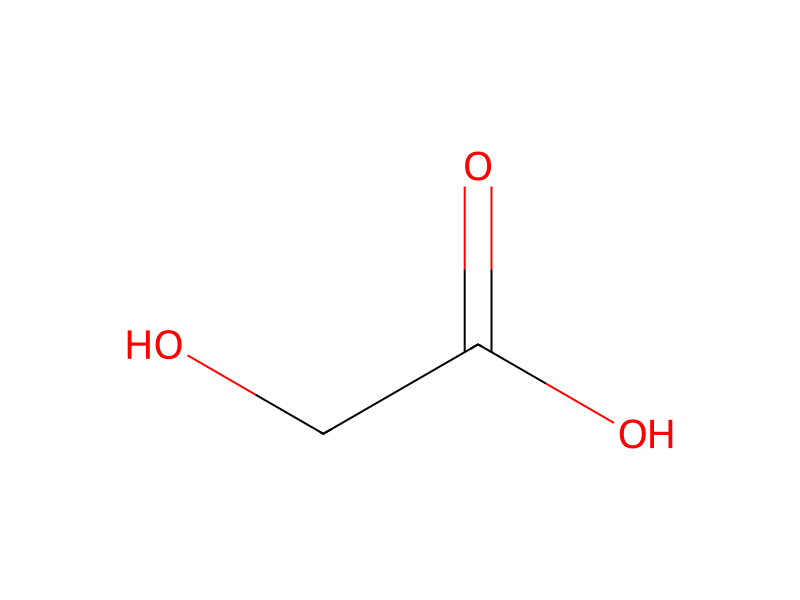
Glycolic Acid → HCID 131716801, compound
Reaction equation

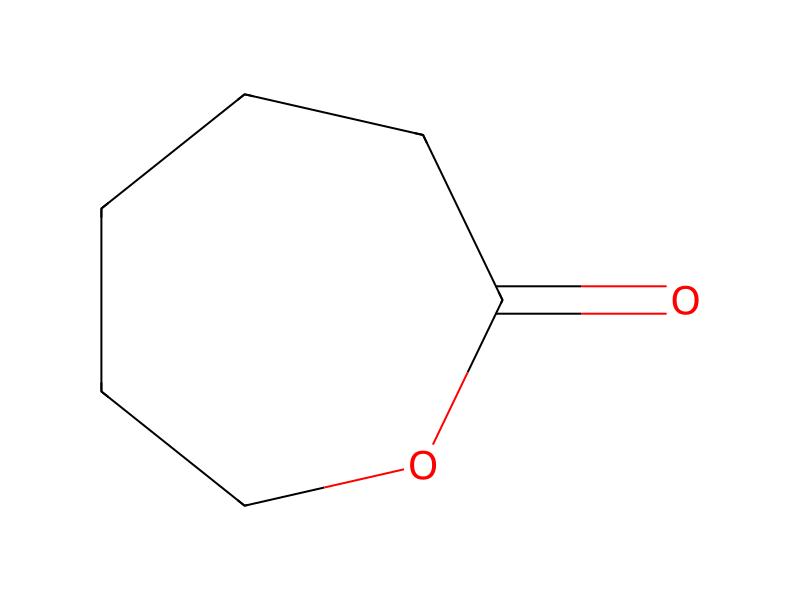
[C:1]1(=[O:8])[O:7][CH2:6][CH2:5][CH2:4][CH2:3][CH2:2]1.[CH2:9]1[O:16][C:14](=[O:15])[CH2:13][O:12][C:10]1=[O:11].[C:17]([OH:21])(=[O:20])[CH2:18][OH:19].CCCCC(C([O-])=O)CC.CCCCC(C([O-])=O)CC.[Sn+2]>>[C:1]1(=[O:8])[O:7][CH2:6][CH2:5][CH2:4][CH2:3][CH2:2]1.[CH2:9]1[O:16][C:14](=[O:15])[CH2:13][O:12][C:10]1=[O:11].[C:17]([OH:21])(=[O:20])[CH2:18][OH:19]Participants
5



Conditions
- Temperature
- 160 °C
Procedure
A flame dried, 250 ml, round bottom single neck flask is charged with 102.73 g (0.9 mole) of ε-caprolactone, 5.80 g (0.05 mole) of glycolide, 7.61 g (0.10 mole) of glycolic acid, and 0.121 milliliters of stannous octoate (0.33 molar in toluene). The flask is fitted with a flame dried mechanical stirrer. The reactor is purged with nitrogen three times before venting with nitrogen. The reaction mixture is heated to 160° C. and maintained at this temperature for 24 hours. The copolymer is isolated, characterized, and tested for absorption. The results are reported in Table 1.
Workup
- customA flame dried
- customThe flask is fitted with a flame
- customdried mechanical stirrer
- customThe reactor is purged with nitrogen three times
- temperaturemaintained at this temperature for 24 hours
- customThe copolymer is isolated
- customtested for absorption
Sources & evidence
- ORD record
- ord-f6e4ad05acd149c98effde3b59b2c73e
- Source dataset
- uspto-grants-1991_02
- Patent number
- US04994074
Reaction notes
Loading…