Triethylamine → HCID 14581286, compound
Reaction equation

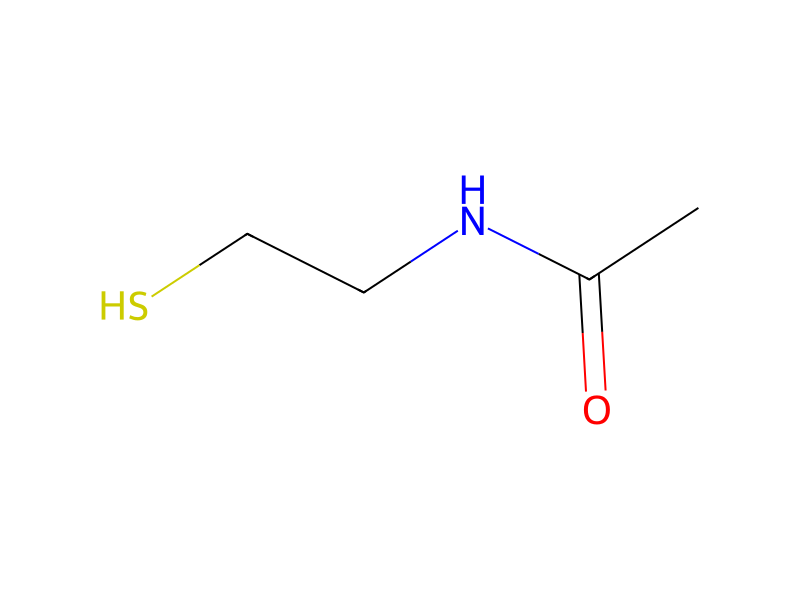
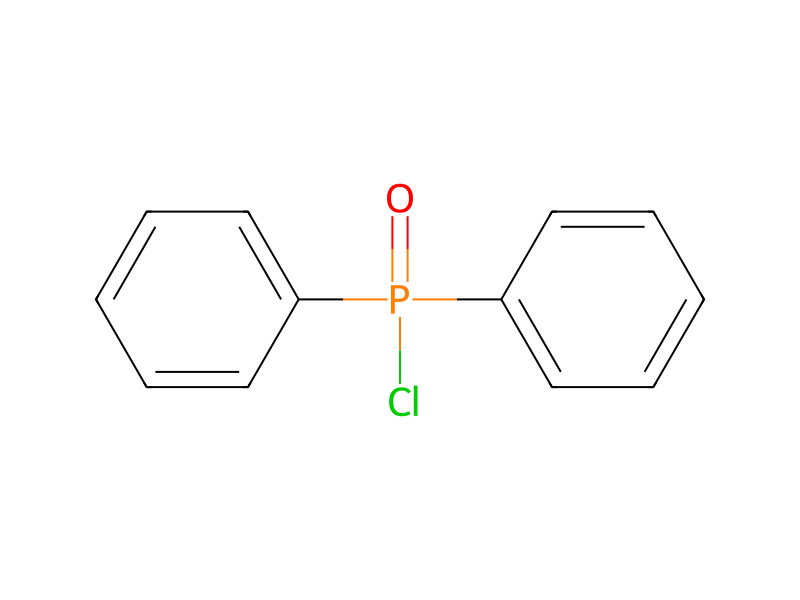
[CH3:1][N:2]([CH3:25])[C@H:3]1[C:9](=[O:10])[N:8]2[C@@H:4]1[CH2:5][C:6](=O)[C@@H:7]2[C:11]([O:13][CH2:14][C:15]1[CH:20]=[CH:19][C:18]([N+:21]([O-:23])=[O:22])=[CH:17][CH:16]=1)=[O:12].C(N(CC)CC)C.C1(P(Cl)(C2C=CC=CC=2)=O)C=CC=CC=1.[C:48]([NH:51][CH2:52][CH2:53][SH:54])(=[O:50])[CH3:49]>CN(C)C=O.C(OCC)(=O)C>[C:48]([NH:51][CH2:52][CH2:53][S:54][C:6]1[CH2:5][C@H:4]2[N:8]([C:9](=[O:10])[C@@H:3]2[N:2]([CH3:1])[CH3:25])[C:7]=1[C:11]([O:13][CH2:14][C:15]1[CH:16]=[CH:17][C:18]([N+:21]([O-:23])=[O:22])=[CH:19][CH:20]=1)=[O:12])(=[O:50])[CH3:49]Participants





Conditions
- Temperature
- -35 °C
Procedure
69 mg (0.21 mmol) of p-nitrobenzyl (2R,5R,6R)-6-dimethylamino-3,7-dioxo-1-azabicyclo[3.2.0]heptane-2-carboxylate [34] was dissolved in 1.5 ml of dimethylformamide. The solution was cooled to -35° C., and 45 microliters (0.32 mmol) of triethylamine and 58 microliters (0.28 mmol) of diphenylphosphoryl chloride was added, and the mixture was reacted at the above temperature for 30 minutes. The progress of the reaction was determined by the formation of a spot showing a UV absorption at an Rf of 0.46 in silica gel TLC developed with ethyl acetate, and the subsequent reaction was carried out. Specifically, 0.5 ml of a dimethylformamide solution of 54 microliters (0.38 mmol) of triethylamine and 46 mg (0.38 mmol) of N-acetylcysteamine was gradually added dropwise to the reaction mixture at -35° C. The reaction was carried out at the same temperature for 30 minutes. The reaction mixture was poured into 50 ml of ethyl acetate, and washed with 30 ml of 0.1M phosphate buffer (pH 8.9) and 20 ml of a saturated aqueous solution of sodium chloride. The washings were again extracted with ethyl acetate and washed with a saturated aqueous solution of sodium chloride. The extracts were combined, and dried over anhydrous sodium sulfate. The dried product was concentrated under reduced pressure to remove the solvent and 26 mg of crystals of the captioned compound were collected by filtration. The mother liquor was dried under reduced pressure, and dissolved in methylene chloride. The solution was adsorbed on a column of silica gel (7 g). The column was eluted with ethyl acetate, acetone and ethyl acetate/methanol (2/1). Those fractions in the eluates which had a UV absorption at an Rf of 0.15 in silca gel TLC developed with acetone were collected and dried under reduce pressure to give 49 mg (yield 83%) of the captioned compound.
Workup
- customthe mixture was reacted at the above temperature for 30 minutes
- customa UV absorption at an Rf of 0.46 in silica gel TLC
- customthe subsequent reaction
- washwashed with 30 ml of 0.1M phosphate buffer (pH 8.9) and 20 ml of a saturated aqueous solution of sodium chloride
- extractionThe washings were again extracted with ethyl acetate
- washwashed with a saturated aqueous solution of sodium chloride
- dry with materialdried over anhydrous sodium sulfate
- concentrationThe dried product was concentrated under reduced pressure
- customto remove the solvent and 26 mg of crystals of the captioned compound
- filtrationwere collected by filtration
- customThe mother liquor was dried under reduced pressure
- dissolutiondissolved in methylene chloride
- washThe column was eluted with ethyl acetate, acetone and ethyl acetate/methanol (2/1)
- customa UV absorption at an Rf of 0.15 in silca gel TLC
- customwere collected
- customdried
Sources & evidence
- ORD record
- ord-54071a00c47d4492bd7cd516ed2840f8
- Source dataset
- uspto-grants-1991_02
- Patent number
- US04996314
Reaction notes
Loading…