Reaktionsgleichung

C1(P([C:25]2[CH:30]=[CH:29]C=CC=2)CCCCP(C2C=CC=CC=2)C2C=CC=CC=2)C=CC=CC=1.C(O)CCO.C(O)C=C.N.[CH2:41]([NH:44][CH2:45][CH:46]=[CH2:47])[CH:42]=[CH2:43]>Cl[Pd]Cl.O>[CH2:41]([NH2:44])[CH:42]=[CH2:43].[CH2:41]([N:44]([CH2:29][CH:30]=[CH2:25])[CH2:45][CH:46]=[CH2:47])[CH:42]=[CH2:43]Komponenten
9
Edukt 5



Produkt 2

Reagenzien, Katalysatoren, Lösungsmittel 2

Versuchsvorschrift
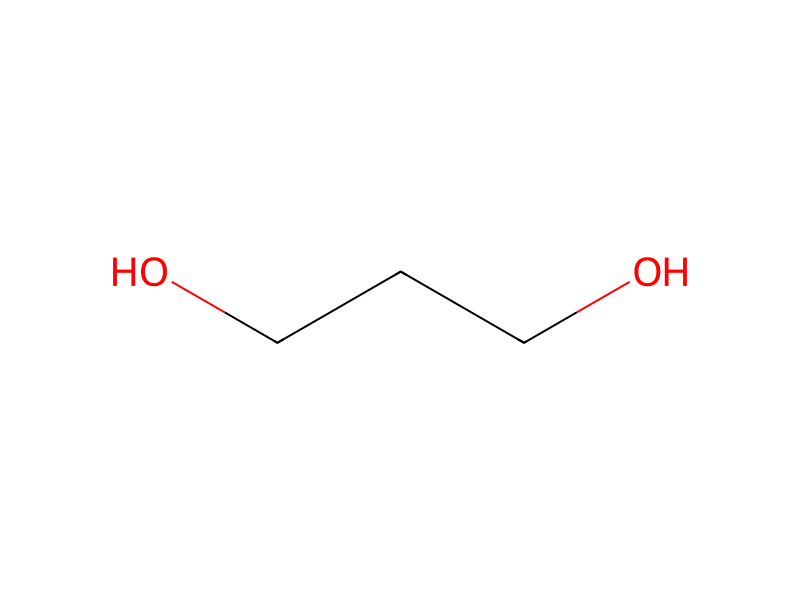
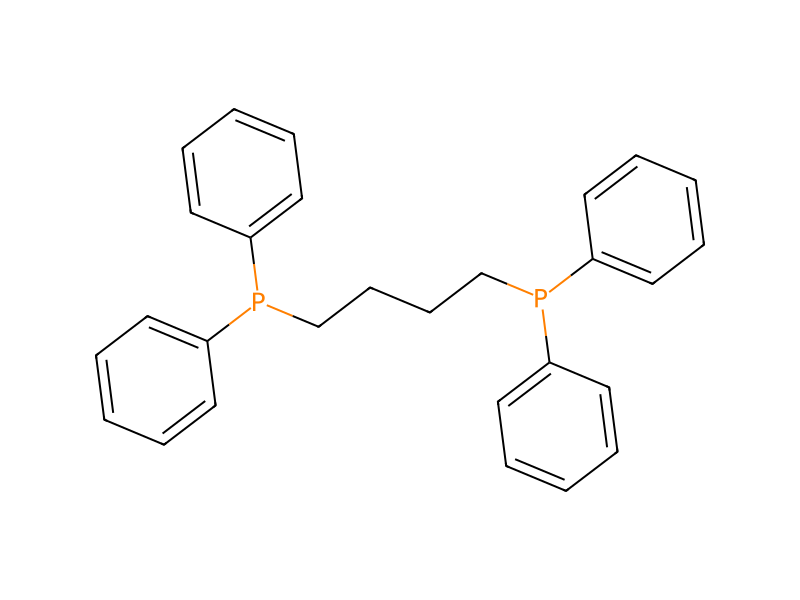
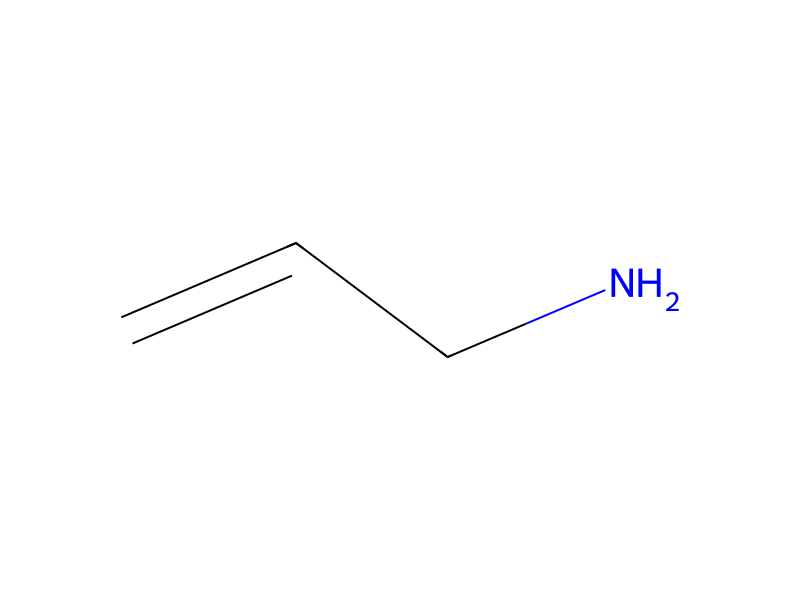
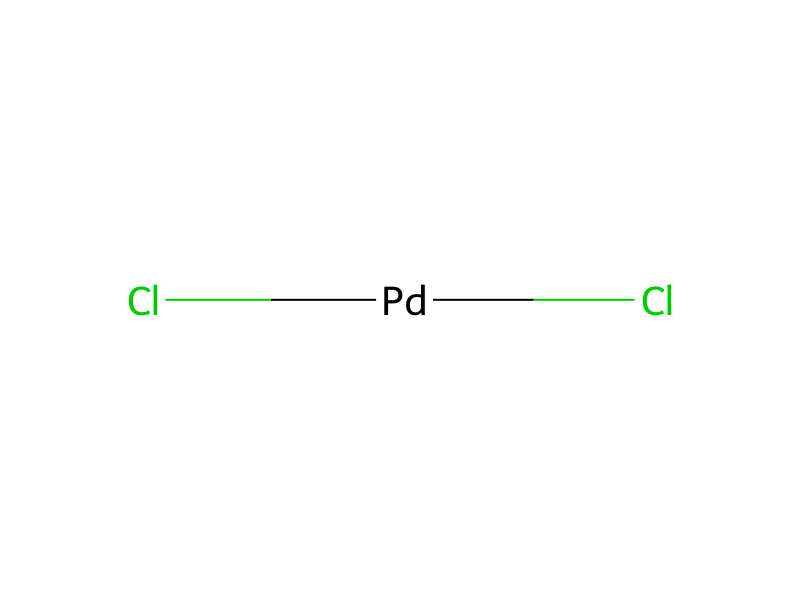
To 1.8 mg (0.01 millimole) of PdCl2 was added 8.5 mg (0.02 millimole) of 1,4-bis(diphenylphosphino)butane, and 5.0 g of 1,3-propane-diol, 3.6 mg of water and 9.1 mg (0.01 millimole) of tetramethyl hydroxide were added and reaction between 8.4 g (145 millimoles) of allyl alcohol and 4.6 g (271 millimoles) of ammonia was carried out at 110° C. with stirring for 2 hours. As the products, there were obtained 0.20 g (3.5 millimoles) of monoallylamine, 0.78 (8.0 millimoles) of diallylamine and 0.92 g (6.7 millimoles) of triallylamine. The conversion based on allyl alcohol was 29.8%, and the selectivity was 91.7%.
Aufarbeitung
- additionwere added
- customwas carried out at 110° C.
Quellen und Nachweise
- ORD-Eintrag
- ord-4ecc615556864fdabe3e64600d30a813
- Quelldatensatz
- uspto-grants-1990_07
- Patentnummer
- US04942261
Verknüpfte Notizen
Wird geladen…