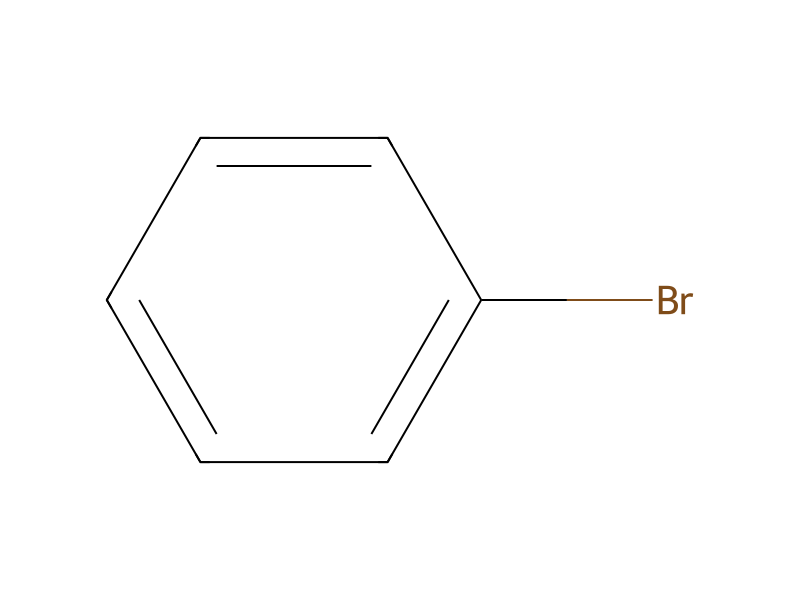
[OH:1][C:2]1[C:3]([NH:13][S:14]([CH3:17])(=[O:16])=[O:15])=[CH:4][C:5]2[O:10][CH:9]=[CH:8][C:7](=[O:11])[C:6]=2[CH:12]=1.Br[C:19]1[CH:24]=[CH:23][CH:22]=[CH:21][CH:20]=1.C(=O)([O-])[O-].[K+].[K+].Cl>CN(C)C=O.[Cu].C(OCC)(=O)C>[CH3:17][S:14]([NH:13][C:3]1[C:2]([O:1][C:19]2[CH:24]=[CH:23][CH:22]=[CH:21][CH:20]=2)=[CH:12][C:6]2[C:7](=[O:11])[CH:8]=[CH:9][O:10][C:5]=2[CH:4]=1)(=[O:16])=[O:15]200 mg of 6-hydroxy-7-methylsulfonylamino-4H-1-benzopyran-4-one was dissolved in 2 ml of N,N-dimethylformamide. Thereto were added 390 mg of bromobenzene, 113 mg of potassium carbonate and 52 mg of a copper powder. The mixture was stirred for 1.5 hours at 150° C. The reaction mixture was introduced into 10 ml of ice water. The mixture was adjusted to pH 2 with 4N hydrochloric acid. Thereto was added 10 ml of ethyl acetate. The organic layer was separated, washed with water and a saturated aqueous sodium chloride solution in this order, and dried with anhydrous magnesium sulfate. The solvent was removed by distillation under reduced pressure. The residue was recrystallized from acetonitrile to obtain 210 mg (yield: 80%) of 7-methylsulfonylamino-6-phenoxy4H-1-benzopyran-4-one. The properties (melting point, IR and NMR) of this compound agreed with those of the compound obtained in Example 1 (3).