HomeMCPSkillsWorkbenchOpenChem
HomeWorkbenchNotificationsMe
llms.txt · skill.md · MCP GuidePrivacy Policy · Terms of Service · Supportv1.8.4
  1. Home
  2. /Reaction

Triethylamine → Ethyl 5-methyl-1H-pyrrolo[2,3-b]pyridine-2-carboxylate

HRID 1272107
Print

Reaction equation

[CH3:1][CH2:2][O:3][C:4]([C:6]1[N:15](C(OC(C)(C)C)=O)[C:9]2=[N:10][CH:11]=[C:12](O)[CH:13]=[C:8]2[CH:7]=1)=[O:5].[CH2:23](N(CC)CC)C.FC(F)(F)S(O)(=O)=O.C(=O)(O)[O-].[Na+].C[Al](C)C>ClCCl.C1C=CC([P]([Pd]([P](C2C=CC=CC=2)(C2C=CC=CC=2)C2C=CC=CC=2)([P](C2C=CC=CC=2)(C2C=CC=CC=2)C2C=CC=CC=2)[P](C2C=CC=CC=2)(C2C=CC=CC=2)C2C=CC=CC=2)(C2C=CC=CC=2)C2C=CC=CC=2)=CC=1.O.C(OCC)(=O)C>[CH2:2]([O:3][C:4]([C:6]1[NH:15][C:9]2=[N:10][CH:11]=[C:12]([CH3:23])[CH:13]=[C:8]2[CH:7]=1)=[O:5])[CH3:1]

ParticipantsProcedureWorkupSources & evidenceReaction notes

Participants

10

Reactant 5

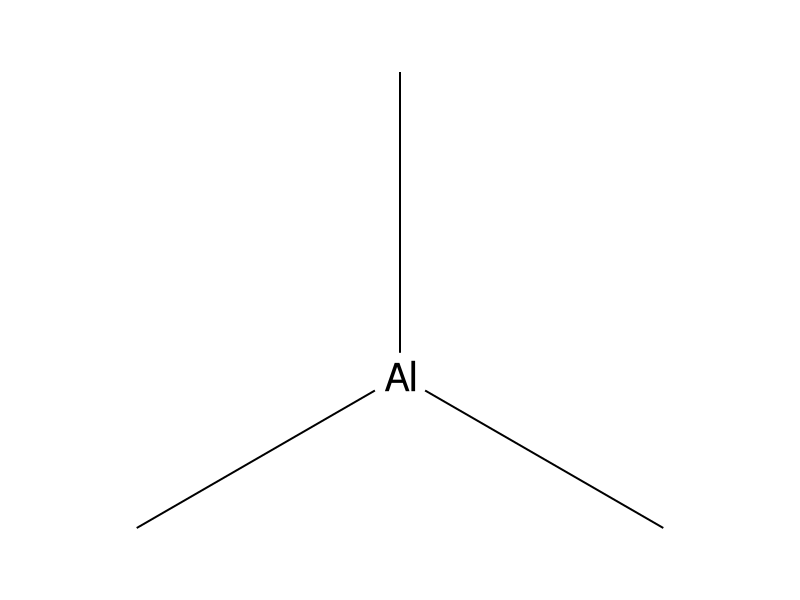
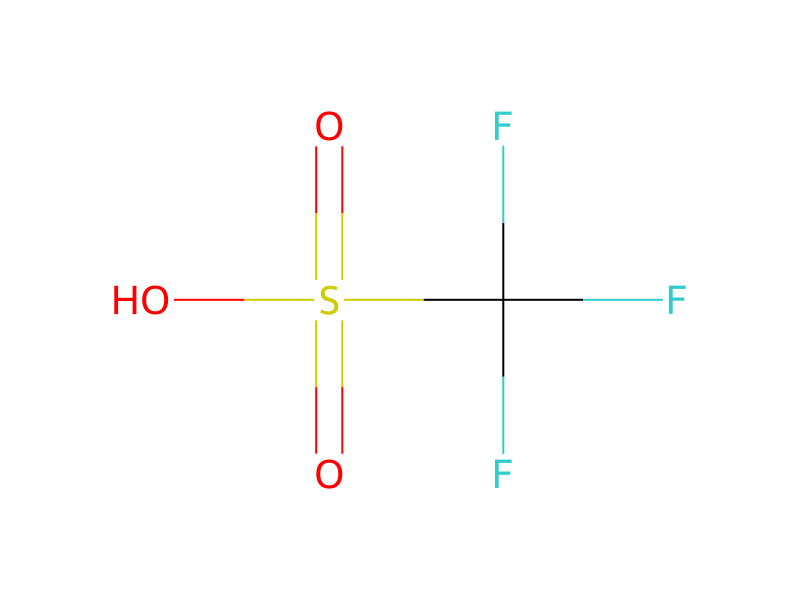
HCID 8471TriethylamineHCID 62406Trifluoromethanesulfonic acidHCID 516892Sodium BicarbonateHCID 16682925TrimethylaluminumHCID 684243571H-Pyrrolo[2,3-b]pyridine-1,2-dicarboxylic acid, 5-hydroxy-, 1-(1,1-dimethylethyl) 2-ethyl ester

Product 1

HCID 45096886
Ethyl 5-methyl-1H-pyrrolo[2,3-b]pyridine-2-carboxylate
Yield 64.5%

Reagents, catalysts & solvents 4

HCID 178418397HCID 178418397, compoundCatalystHCID 962WaterSolventHCID 6344DichloromethaneSolventHCID 8857Ethyl AcetateSolvent

Procedure

A solution of 4.0 g (13.1 mmol) 5-hydroxy-pyrrolo[2,3-b]pyridine-1,2-dicarboxylic acid 1-tert-butyl ester 2-ethyl ester in 100 mL dichloromethane was cooled to 0° C. and 2.2 mL (1.6 g, 15.7 mmol) triethylamine and 2.6 mL (4.4 g, 15.7 mmol) trifluoromethanesulfonic acid were added. After 2 h at 0° C. the reaction was poured into 10% aqueous sodium bicarbonate solution and extracted with dichloromethane. The organic layer was washed with brine, dried over magnesium sulfate and evaporated. The residue was dissolved in 100 mL tetrahydrofuran and 0.75 g (0.65 mmol) tetrakis(triphenylphosphine)palladium (0) and 13.1 mL trimethylaluminium (2M solution in n-heptane) were added. The reaction mixture was heated to reflux for 2 h and after cooling to room temperature poured into ethyl acetate and water, filtered through speedex and extracted with ethyl acetate. The organic layer was washed with brine, dried over magnesium sulfate, filtered and evaporated. The residue was purified by column chromatography over silica gel (0.030–0.063 mm) with ethyl acetate:n-hexane (1:1) as eluant to give the product as a light yellow solid (64.5%).

Workup

  1. extractionextracted with dichloromethane
  2. washThe organic layer was washed with brine
  3. dry with materialdried over magnesium sulfate
  4. customevaporated
  5. dissolutionThe residue was dissolved in 100 mL tetrahydrofuran
  6. temperatureThe reaction mixture was heated
  7. temperatureto reflux for 2 h
  8. filtrationfiltered through speedex
  9. extractionextracted with ethyl acetate
  10. washThe organic layer was washed with brine
  11. dry with materialdried over magnesium sulfate
  12. filtrationfiltered
  13. customevaporated
  14. customThe residue was purified by column chromatography over silica gel (0.030–0.063 mm) with ethyl acetate:n-hexane (1:1) as eluant

Sources & evidence

ORD record
ord-46edc579ea544288805b7e43ae9a28a8
Source dataset
uspto-grants-2007_04
DOI
10.6084/m9.figshare.5104873.v1
Patent number
US07208494B2

Reaction notes

On this pageParticipantsProcedureWorkupSources & evidenceReaction notes