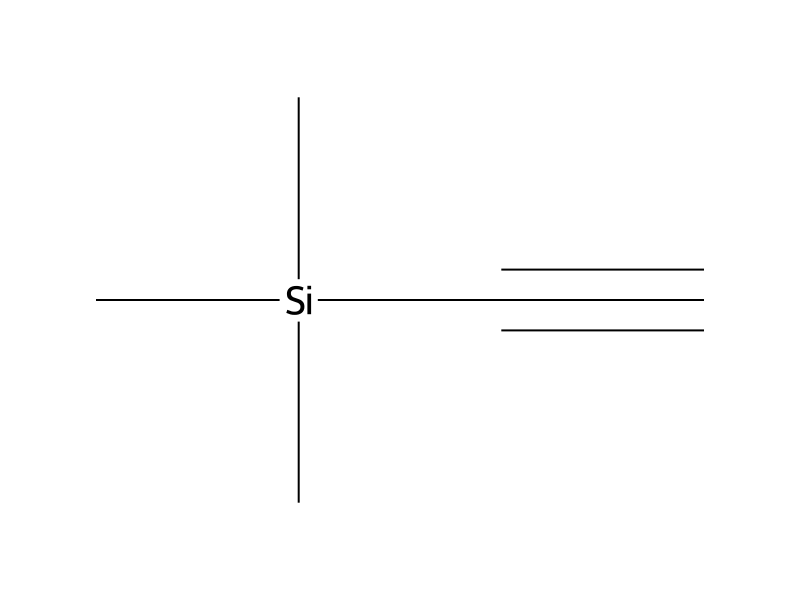
C[Si]([C:5]#[CH:6])(C)C.[C:7](=[O:10])([O-])[O-].[K+].[K+].F[C:14](F)(F)[C:15]([C:17](F)(F)F)=O.[CH2:23]([Li])[CH2:24][CH2:25]C.[H-].[Na+]>CO.S([O-])([O-])(=O)=O.[Ba+2].[Pd+2].S([O-])([O-])(=O)=O.[Cu]I.C1C=CC([P]([Pd]([P](C2C=CC=CC=2)(C2C=CC=CC=2)C2C=CC=CC=2)([P](C2C=CC=CC=2)(C2C=CC=CC=2)C2C=CC=CC=2)[P](C2C=CC=CC=2)(C2C=CC=CC=2)C2C=CC=CC=2)(C2C=CC=CC=2)C2C=CC=CC=2)=CC=1>[O:10]1[C:7]2[CH:23]=[CH:24][CH:25]=[CH:5][C:6]=2[CH:17]=[CH:15][CH2:14]1According to Tetrahedron Letters, 1993, 34, 1815-1818, a compound (IIf) and trimethylsilyl acetylene are subjected to cross-coupling reaction in the presence of copper(I) iodide and tetrakis(triphenylphosphine)palladium and the resulting trimethylsilyl acetylene compound is treated with potassium carbonate in methanol to give a compound represented by the formula (XIX) set forth below. This compound is reacted with hexafluoroacetone using n-butyllithium to give a compound represented by the formula (XX). This compound is reduced with a palladium-barium sulfate catalyst under a hydrogen atmosphere to give a compound represented by the formula (XXI). This compound is reacted with sodium hydride to give a benzopyran derivative represented by the formula (XXII).