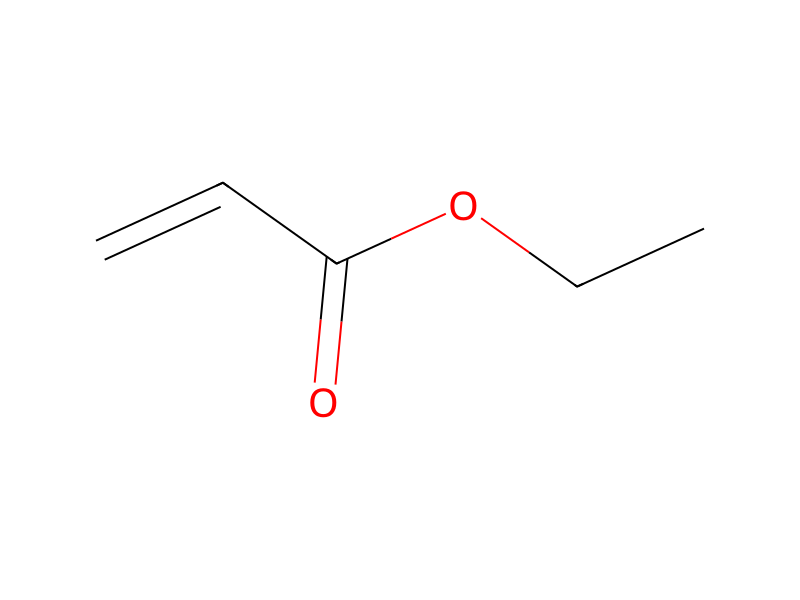
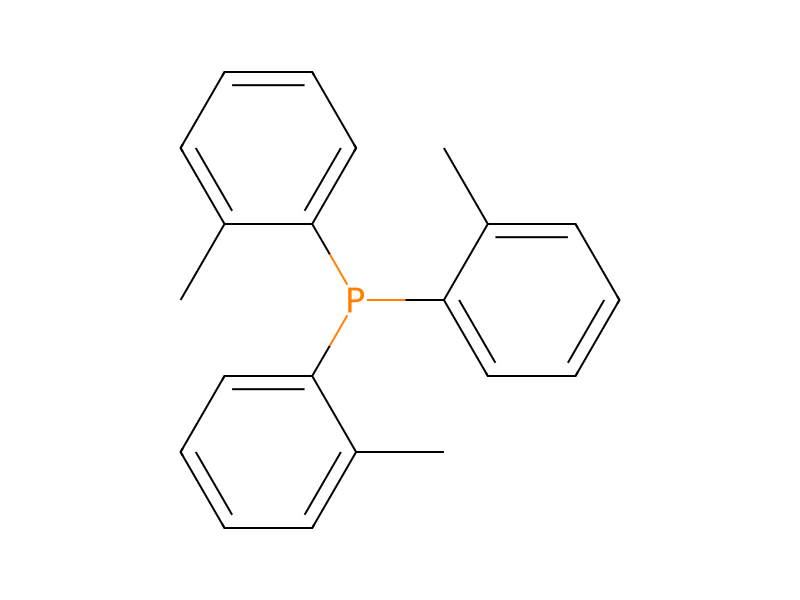
Br[C:2]1[CH:11]=[C:10]2[C:5]([CH2:6][CH2:7][N:8]([C:12](=[O:17])[C:13]([F:16])([F:15])[F:14])[CH2:9]2)=[CH:4][CH:3]=1.C1(C)C=CC=CC=1P(C1C=CC=CC=1C)C1C=CC=CC=1C.[C:40]([O:44][CH2:45][CH3:46])(=[O:43])[CH:41]=[CH2:42].C(N(CCCC)CCCC)CCC>CN(C)C=O.C([O-])(=O)C.[Pd+2].C([O-])(=O)C>[CH2:45]([O:44][C:40](=[O:43])[CH:41]=[CH:42][C:2]1[CH:11]=[C:10]2[C:5]([CH2:6][CH2:7][N:8]([C:12](=[O:17])[C:13]([F:16])([F:15])[F:14])[CH2:9]2)=[CH:4][CH:3]=1)[CH3:46]A solution of 7-bromo-2-trifluoroacetyl-1,2,3,4-tetrahydroisoquinoline (2.6 g, Reference Example 7), tri-o-tolylphosphine (0.37 g), palladium (II) acetate, ethyl acrylate (1.6 mL) and tributylamine (8.01 mL) in dry dimethylformamide (25 mL), under argon, was heated at 155° C. for 3 hours then stood at room temperature overnight. The reaction mixture was evaporated and the resulting black oil was partitioned between ethyl acetate (200 mL) and hydrochloric acid (200 mL, 2M). The organic phase was washed with hydrochloric acid (200 mL, 2M), then with water (100 mL), then with brine (100 mL), then dried over magnesium sulfate and then evaporated. The residual yellow oil was subjected to flash chromatography on silica under gradient elution conditions with a mixture of ethyl acetate and pentane (from 3:97 to 10:90, v/v) to give the title compound. LC-MS: RT=4.05 minutes; no molecular ion observed.