Methyl Acrylate → 4-[(1E)-3-(Methyloxy)-3-oxo-1-propen-1-yl]-1-naphthalenecarboxylic acid
Reaction equation

Br[C:2]1[C:11]2[C:6](=[CH:7][CH:8]=[CH:9][CH:10]=2)[C:5]([C:12]([OH:14])=[O:13])=[CH:4][CH:3]=1.C(N(CC)CC)C.C1(P(C2C=CC=CC=2)C2C=CC=CC=2)C=CC=CC=1.[C:41]([O:45][CH3:46])(=[O:44])[CH:42]=[CH2:43]>CN(C=O)C.C([O-])(=O)C.[Pd+2].C([O-])(=O)C>[CH3:46][O:45][C:41](=[O:44])/[CH:42]=[CH:43]/[C:2]1[C:11]2[C:6](=[CH:7][CH:8]=[CH:9][CH:10]=2)[C:5]([C:12]([OH:14])=[O:13])=[CH:4][CH:3]=1Participants
7
Reactant 4
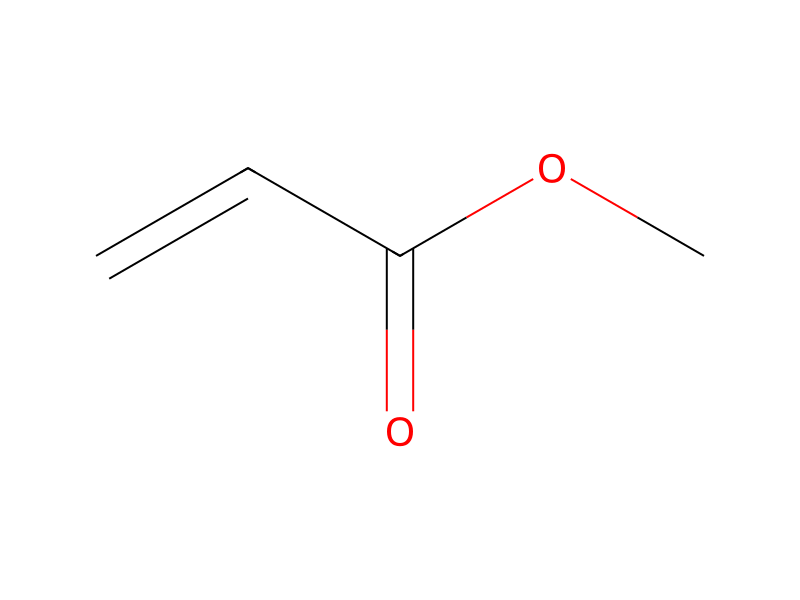



Product 1

Reagents, catalysts & solvents 2

