HomeMCPWorkbenchSkills
HomeWorkbenchNotificationsMe
llms.txt · MCP GuidePrivacy Policy · Terms of Service · Supportv1.8.3
  1. Home
  2. /Reaction

Hydrochloric Acid → HCID 178438582, compound

HRID 1688635
Print

Reaction equation

HRID 1688635 reaction equation
[OH:1][C@H:2]1[CH2:7][CH2:6][C@H:5]([N:8]2[C:13](=[O:14])[C:12]([CH2:15][C:16]3[CH:21]=[CH:20][C:19]([C:22]4[C:23]([C:28]#[N:29])=[CH:24][CH:25]=[CH:26][CH:27]=4)=[CH:18][CH:17]=3)=[C:11]([CH2:30][CH2:31][CH3:32])[N:10]3[N:33]=[CH:34][N:35]=[C:9]23)[CH2:4][CH2:3]1.Br[C:37]1[CH:42]=[CH:41][C:40](O)=[CH:39][CH:38]=1.C1(P(C2C=CC=CC=2)C2C=CC=CC=2)C=CC=CC=1.N(C(OC(C)C)=O)=NC([O:67][CH:68](C)[CH3:69])=O.Cl.C([Sn](CCCC)(C(OCC)=C)CCCCC)CCC.[F-].[K+]>O1CCCC1.Cl[Pd](Cl)([P](C1C=CC=CC=1)(C1C=CC=CC=1)C1C=CC=CC=1)[P](C1C=CC=CC=1)(C1C=CC=CC=1)C1C=CC=CC=1>[C:68]([C:37]1[CH:42]=[CH:41][C:40]([O:1][C@@H:2]2[CH2:7][CH2:6][C@H:5]([N:8]3[C:13](=[O:14])[C:12]([CH2:15][C:16]4[CH:21]=[CH:20][C:19]([C:22]5[C:23]([C:28]#[N:29])=[CH:24][CH:25]=[CH:26][CH:27]=5)=[CH:18][CH:17]=4)=[C:11]([CH2:30][CH2:31][CH3:32])[N:10]4[N:33]=[CH:34][N:35]=[C:9]34)[CH2:4][CH2:3]2)=[CH:39][CH:38]=1)(=[O:67])[CH3:69]

ParticipantsProcedureWorkupSources & evidenceReaction notes

Participants

10

Reactant 7

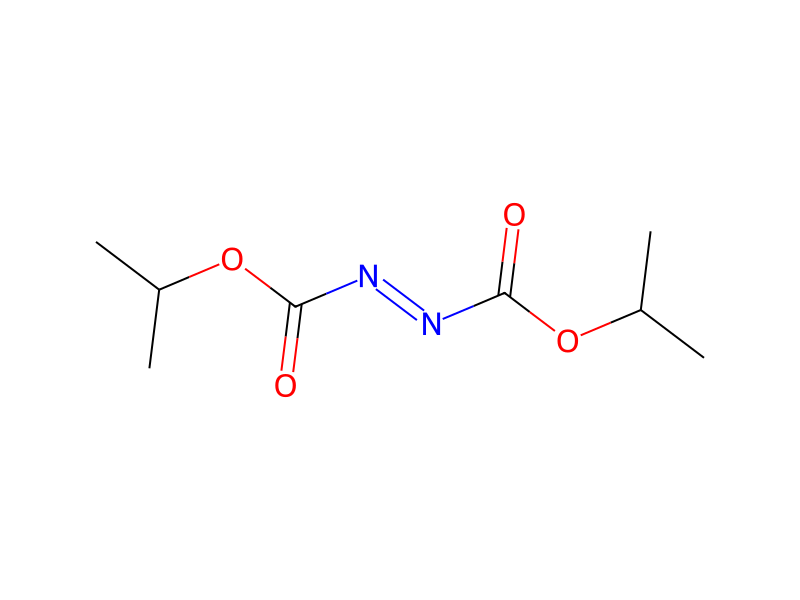
HCID 313Hydrochloric AcidHCID 78084-BromophenolHCID 11776TriphenylphosphineHCID 75555Diisopropyl diazene-1,2-dicarboxylateHCID 522689Potassium FluorideHCID 86644041Dibutyl(1-ethoxyethenyl)pentylstannane
HCID 178438592
HCID 178438592, compound

Product 1

HCID 178438582HCID 178438582, compoundYield 32%

Reagents, catalysts & solvents 2

HCID 178418476HCID 178418476, compoundCatalystHCID 8028TetrahydrofuranSolvent3×

Procedure

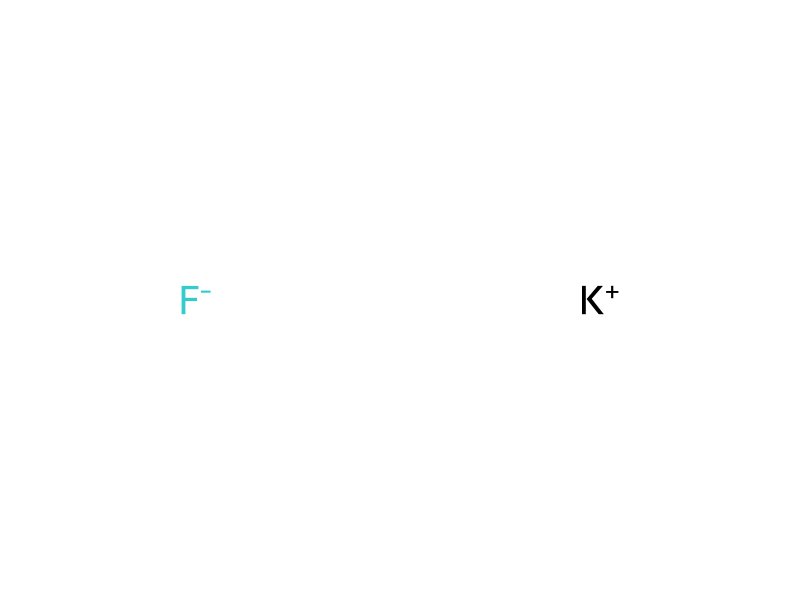
4′-{[4-(trans-4-Hydroxycyclohexyl)-5-oxo-7-propyl-4,5-dihydro[1,2,4]triazolo[1,5-a]pyrimidin-6-yl]methyl}biphenyl-2-carbonitrile (4.6 g), 4-bromophenol (3.4 g) and triphenylphosphine (5.2 g) were dissolved in tetrahydrofuran (5 mL), a solution of diisopropyl azodicarboxylate (10 mL, 1.9 M toluene solution) in tetrahydrofuran (5 mL) was added dropwise, and the mixture was stirred at room temperature for 18 hr. The reaction mixture was added to 1 M hydrochloric acid, and the mixture was extracted with ethyl acetate. The organic layer was washed with saturated brine, and dried over anhydrous magnesium sulfate. The solvent was evaporated under reduced pressure. The residue obtained by purification by silica gel column chromatography was mixed with dibutyl(1-ethoxyethenyl)pentylstannane (4.0 mL), dichlorobis(triphenylphosphine)palladium (0.35 g) and tetrahydrofuran (30 mL), and the mixture was heated under reflux for 64 hr. Aqueous potassium fluoride solution was added, and the obtained mixture was extracted with ethyl acetate. The organic layer was washed with saturated brine, and dried over anhydrous magnesium sulfate. The solvent was evaporated under reduced pressure, and the residue was purified by silica gel column chromatography to give the title compound as a colorless solid (1.8 g, 32%).

Workup

  1. extractionthe mixture was extracted with ethyl acetate
  2. washThe organic layer was washed with saturated brine
  3. dry with materialdried over anhydrous magnesium sulfate
  4. customThe solvent was evaporated under reduced pressure
  5. customThe residue obtained by purification by silica gel column chromatography
  6. temperaturethe mixture was heated
  7. temperatureunder reflux for 64 hr
  8. extractionthe obtained mixture was extracted with ethyl acetate
  9. washThe organic layer was washed with saturated brine
  10. dry with materialdried over anhydrous magnesium sulfate
  11. customThe solvent was evaporated under reduced pressure
  12. customthe residue was purified by silica gel column chromatography

Sources & evidence

ORD record
ord-1cb0183e4349480592cf0aeb7d57b61d
Source dataset
uspto-grants-2012_04
DOI
10.6084/m9.figshare.5104873.v1
Patent number
US08148383B2

Reaction notes

On this pageParticipantsProcedureWorkupSources & evidenceReaction notes