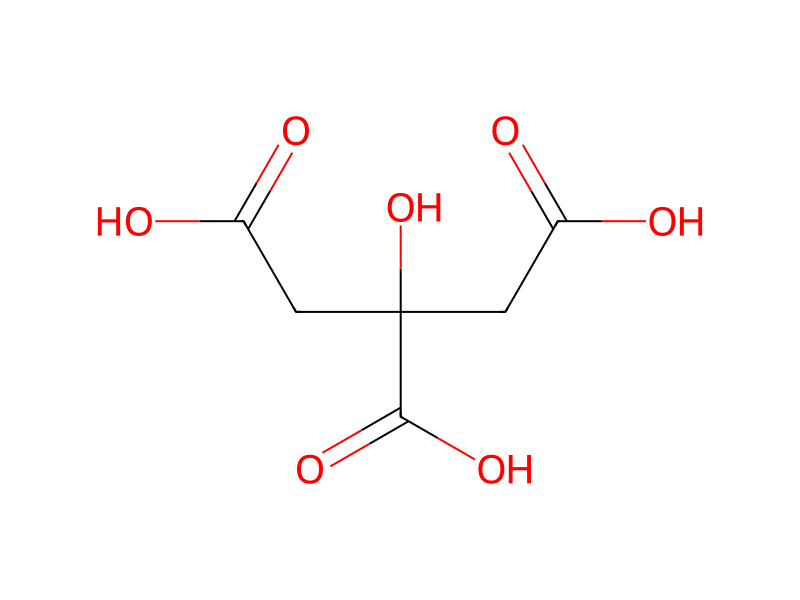
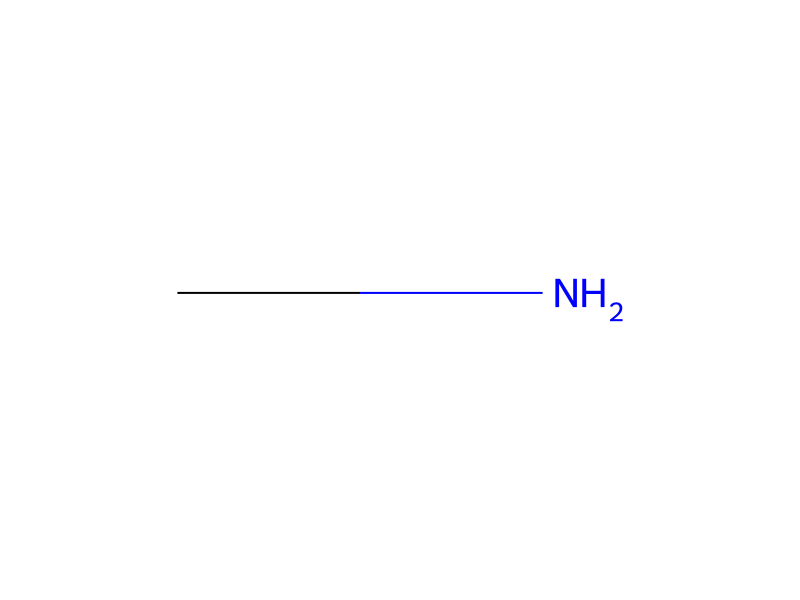
To a solution of 5-tert-butyl-3-nitropyrrole-2-carboxylic acid (2.01 g, 9.5 mmol) in a solution of anh. THF and anh. DMF (3:1, 100 mL) at 0° C. was added N-methylmorpholine (2.1 mL, 19 mmol, 2.0 equiv), followed by methylamine (2M in THF, 5.93 mL, 11.1 mmol, 1.25 equiv) and EDCI.HCl (2.85 g, 14.9 mmol, 1.57 equiv). The resulting mixture was allowed to warm to room temp. and stirred at that temp. overnight. The reaction mixture was diluted with H2O (100 mL), then made acidic with a 10% citric acid solution, and extracted with EtOAc (2×50 mL). The combined organic layers were washed with a saturated NaCl solution, dried (MgSO4), and concentrated in vacuo. The residue was purified by flash chromatography (15% CH2Cl2/hex) to give 2-(N-methylcarbamoyl)-5-tert-butyl-3-nitropyrrole (1.40 g, 66%) as a yellow solid: 1H NMR (DMSO-d6) δ1.29 (s, 9H), 2.76 (d, J=4.4 Hz, 3H), 6.36 (d, 2.9 Hz, 1H), 8.59-8.60 (m, 1H), 12.19 (br s, 1H).