HomeMCPWorkbenchSkills
HomeWorkbenchNotificationsMe
llms.txt · MCP GuidePrivacy Policy · Terms of Service · Supportv1.8.0
  1. Home
  2. /Reaction

Hydrochloric Acid → Methyl 4-cyano-2-cyclopropyl-7-fluoro-5-methyl-1,3-benzoxazole-6-carboxylate

HRID 17464
Notes
Print preview

Reaction equation

HRID 17464 reaction equation
[CH:1]1([C:4]2[O:5][C:6]3[C:7](=[C:9]([C:17]#[N:18])[C:10]([CH3:16])=[C:11]([CH:14]=[O:15])[C:12]=3[F:13])[N:8]=2)[CH2:3][CH2:2]1.O.O.P([O-])(O)(O)=O.[Na+].CC(=CC)C.Cl([O-])=O.[Na+].Cl.C[Si](C=[N+]=[N-])(C)C.[CH2:44]([O:46]CC)C.C(=O)([O-])O.[Na+]>C(O)(C)(C)C.C(OCC)(=O)C.O.O1CCCC1>[C:17]([C:9]1[C:7]2[N:8]=[C:4]([CH:1]3[CH2:2][CH2:3]3)[O:5][C:6]=2[C:12]([F:13])=[C:11]([C:14]([O:46][CH3:44])=[O:15])[C:10]=1[CH3:16])#[N:18]
ParticipantsProcedureWorkupSources & evidenceReaction notes

Participants

12

Reactant 7

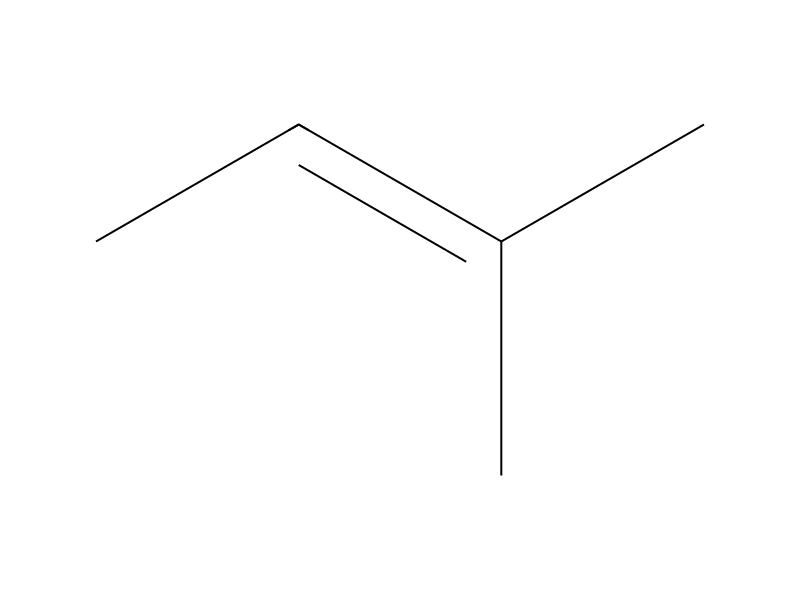
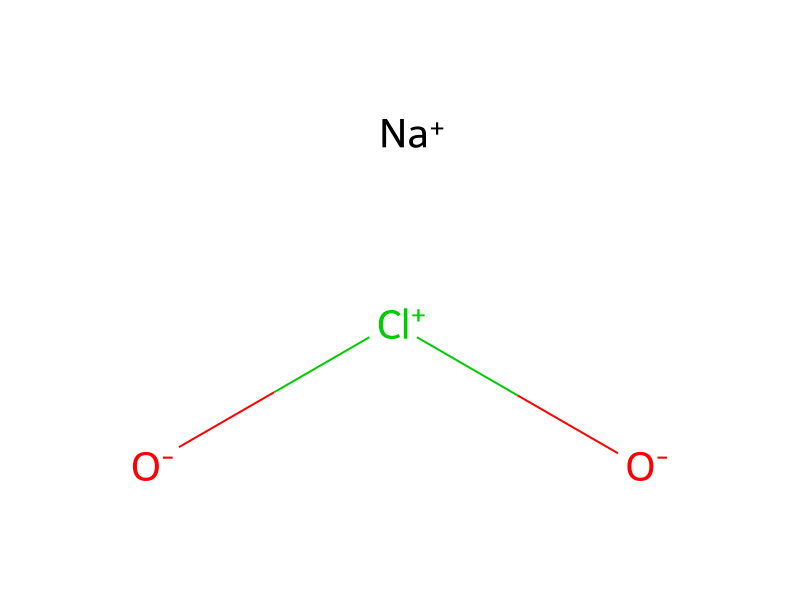
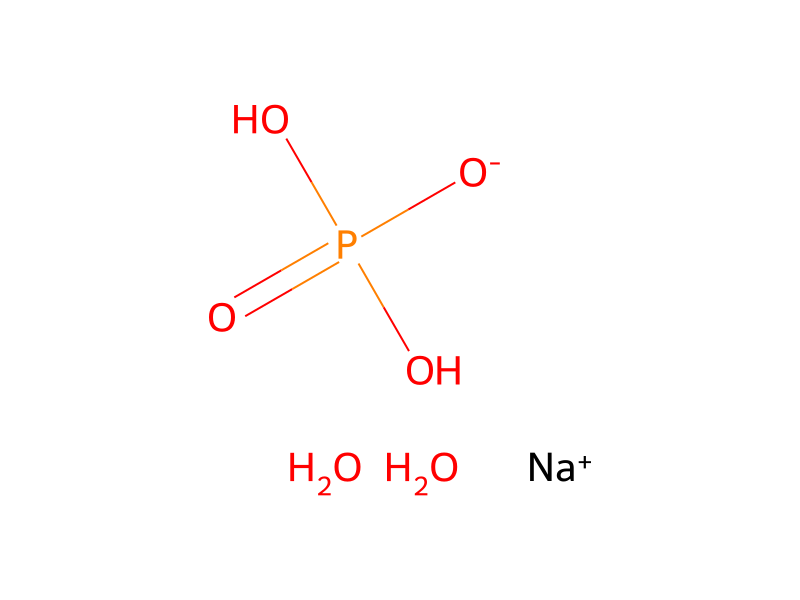
HCID 313Hydrochloric AcidHCID 105532-Methyl-2-buteneHCID 516892Sodium BicarbonateHCID 23159941trimethylsilyldiazomethane Et2OHCID 23668197Sodium ChloriteHCID 23673460Sodium Phosphate, Monobasic, Dihydrate
HCID 86097511
2-Cyclopropyl-7-fluoro-6-formyl-5-methyl-1,3-benzoxazole-4-carbonitrile

Product 1

HCID 68584578Methyl 4-cyano-2-cyclopropyl-7-fluoro-5-methyl-1,3-benzoxazole-6-carboxylate

Reagents, catalysts & solvents 4

HCID 962WaterSolventHCID 6386tert-ButanolSolventHCID 8028TetrahydrofuranSolventHCID 8857Ethyl AcetateSolvent

Procedure

2-Cyclopropyl-7-fluoro-6-formyl-5-methyl-1,3-benzoxazole-4-carbonitrile (I-182) (280 mg, 1.15 mmol) was dissolved in tert-butanol (8 ml), tetrahydrofuran (6 ml) and water (6 ml), then at 0° C., sodium dihydrogenphosphate dihydrate (268 mg, 1.72 mmol), 2-methyl-2-butene (515 μl, 4.59 mmol), then sodium chlorite (purity 80%, 389 mg, 3.44 mmol) were added. After stirring at room temperature for 6 hours, the solvent was evaporated away under reduced pressure. The residue was fractionated with ethyl acetate and aqueous 1 mol hydrochloric acid solution. The aqueous layer was further extracted twice with ethyl acetate. The organic layers were combined, washed with saturated brine, and dried over anhydrous sodium sulfate. The insoluble matter was separated by filtration, then the solvent was evaporated away under reduced pressure. Benzene (6 ml) and methanol (2 ml) were added to it, then at 0° C., 2 M trimethylsilyldiazomethane/diethyl ether solution (1.15 ml, 2.29 mmol) was added. After stirring at room temperature for 18 hours, an aqueous saturated sodium hydrogencarbonate solution was added at 0° C. The solution was extracted three times with ethyl acetate. The organic layers were combined, washed with saturated brine, and dried over anhydrous sodium sulfate.


Workup

  1. customthe solvent was evaporated away under reduced pressure
  2. extractionThe aqueous layer was further extracted twice with ethyl acetate
  3. washwashed with saturated brine
  4. dry with materialdried over anhydrous sodium sulfate
  5. customThe insoluble matter was separated by filtration
  6. customthe solvent was evaporated away under reduced pressure
  7. additionBenzene (6 ml) and methanol (2 ml) were added to it
  8. stirringAfter stirring at room temperature for 18 hours
  9. extractionThe solution was extracted three times with ethyl acetate
  10. washwashed with saturated brine
  11. dry with materialdried over anhydrous sodium sulfate

Sources & evidence

ORD record
ord-fa7d282936834f32bfd058f39b21932c
Source dataset
uspto-grants-2010_06
DOI
10.6084/m9.figshare.5104873.v1
Patent number
US07737166B2

Reaction notes

Loading…

On this pageParticipantsProcedureWorkupSources & evidenceReaction notes