Reaction equation

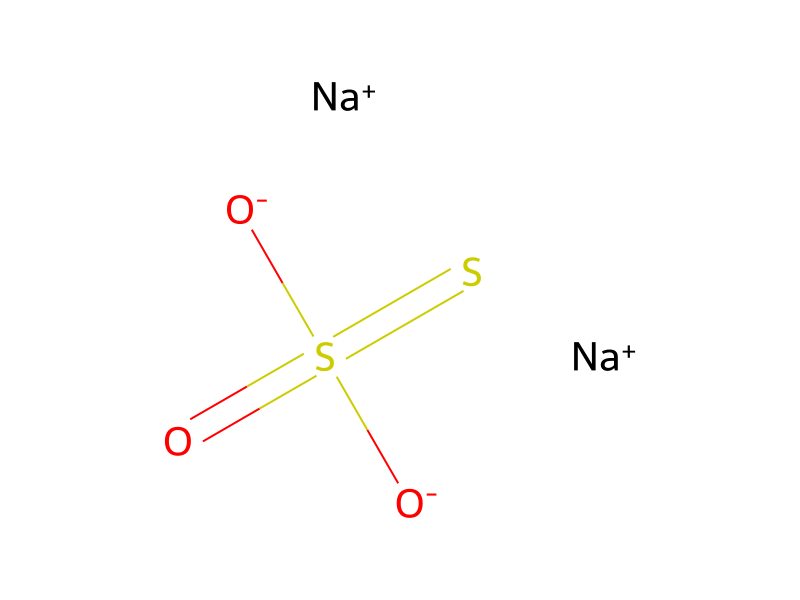
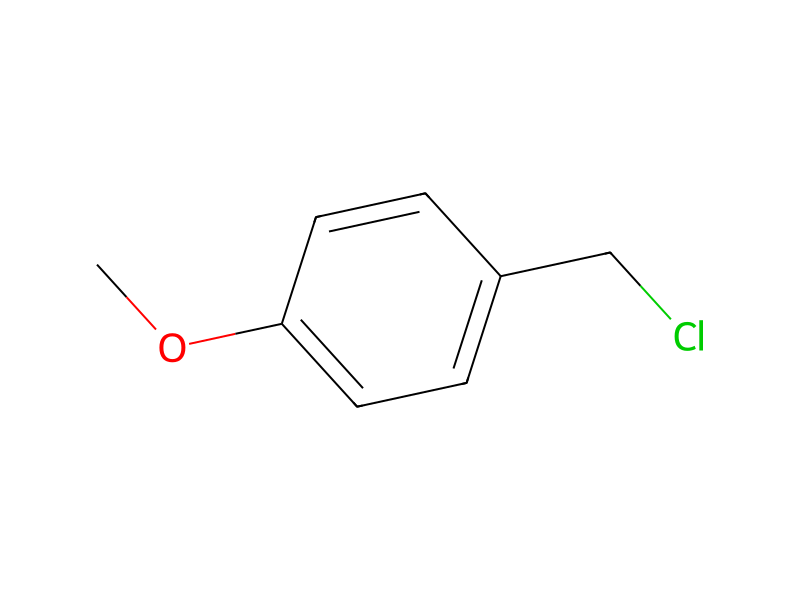
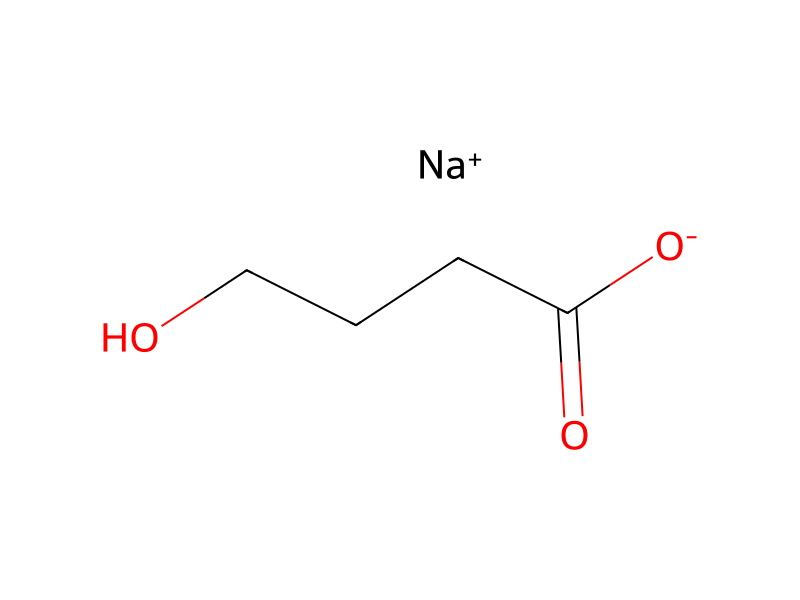
OC[CH2:3][CH2:4][C:5]([O-:7])=O.[Na+].[CH3:9][O:10][C:11]1[CH:18]=[CH:17][C:14]([CH2:15]Cl)=[CH:13][CH:12]=1.N1C=NN=N1.[CH2:24]([O:27][P:28]([O:36][CH2:37][CH:38]=[CH2:39])N(C(C)C)C(C)C)[CH:25]=[CH2:26].C([O:44]O)(C)(C)C.[C:46](=O)([O-:48])[OH:47].[Na+].S([O-])([O-])(=O)=S.[Na+].[Na+]>CN(C)C=O.C(OCC)(=O)C.ClCCl.CCCCCC.CO>[CH2:5]([O:7][P:28]([O:27][CH:24]([CH2:25][CH3:26])[C:46]([O:48][CH2:15][C:14]1[CH:17]=[CH:18][C:11]([O:10][CH3:9])=[CH:12][CH:13]=1)=[O:47])([O:36][CH2:37][CH:38]=[CH2:39])=[O:44])[CH:4]=[CH2:3]Participants
Reactant 7




Product 1

Reagents, catalysts & solvents 5





Conditions
- Temperature
- 100 °C
Procedure
To a suspension of a commercially available sodium 4-hydroxybutyrate (630 mg, 5.00 mmol) in N,N-dimethylformamide (3.5 ml) was added 4-methoxybenzyl chloride (783 mg, 5.00 mmol), and the mixture was heated at 100° C. for 3 hours. The mixture was cooled, diluted with ethyl acetate, and the diluted mixture was washed successively twice with water and twice with an aqueous solution of sodium chloride. The solution was dried over anhydrous magnesium sulfate, and the solvent was distilled off under reduced pressure to give a colorless oily residue. The residue was dissolved in dichloromethane (5 ml), and tetrazole (700 mg, 10 mmol) and bis(allyloxy)(diisopropylamino)phosphine (Tetrahedron Lett., 30, 4219 (1989); 1.5 g, 6.1 mmol) were added at 0° C., then the mixture was stirred at the same temperature for 5 minutes. The mixture was warmed to room temperature, then stirred for 30 minutes, and methanol (0.1 ml) was added thereto. The mixture was stirred for 5 minutes further, and tert-butyl hydroperoxide (ca. 5 M nonane solution, 1.5 ml, ca. 7.5 mmol) was added thereto at 0° C. followed by stirring the mixture at room temperature for 30 minutes. A saturated aqueous solution of sodium hydrogen carbonate and an aqueous solution of sodium thiosulfate were added thereto, and the mixture was stirred for 10 minutes and then partitioned between ethyl acetate and water. The organic layer was washed successively with a saturated aqueous solution of sodium hydrogen carbonate, a saturated aqueous solution of ammonium chloride, and an aqueous solution of sodium chloride, and then dried over anhydrous magnesium sulfate, and the solvent was distilled off under reduced pressure to give an oily residue. The residue was subjected to chromatography on a silica gel (30 g) column (eluent; ethyl acetate:hexane=2:3˜1:1) to give the title compound (1.55 g, 81% yield) as a colorless oil.
Workup
- temperatureThe mixture was cooled
- washthe diluted mixture was washed successively twice with water and twice with an aqueous solution of sodium chloride
- dry with materialThe solution was dried over anhydrous magnesium sulfate
- distillationthe solvent was distilled off under reduced pressure
- customto give a colorless oily residue
- temperatureThe mixture was warmed to room temperature
- stirringstirred for 30 minutes
- stirringThe mixture was stirred for 5 minutes further
- customat 0° C.
- stirringby stirring the mixture at room temperature for 30 minutes
- stirringthe mixture was stirred for 10 minutes
- custompartitioned between ethyl acetate and water
- washThe organic layer was washed successively with a saturated aqueous solution of sodium hydrogen carbonate
- dry with materiala saturated aqueous solution of ammonium chloride, and an aqueous solution of sodium chloride, and then dried over anhydrous magnesium sulfate
- distillationthe solvent was distilled off under reduced pressure
- customto give an oily residue
Sources & evidence
- ORD record
- ord-bc7cbc969b104faabe1184ee80a19935
- Source dataset
- uspto-grants-2007_06
- Patent number
- US07230023B2
Linked notes
Loading…