HomeMCPWorkbenchSkills
HomeWorkbenchNotificationsMe
llms.txt · MCP GuidePrivacy Policy · Terms of Service · Supportv1.8.3
  1. Home
  2. /Reaction

Hydrochloric Acid → 4-(2-Cyclopropylethoxy)benzoic acid

HRID 1799227
Print

Reaction equation

HRID 1799227 reaction equation
[OH:1][C:2]1[CH:11]=[CH:10][C:5]([C:6]([O:8]C)=[O:7])=[CH:4][CH:3]=1.[CH:12]1([CH2:15][CH2:16]O)[CH2:14][CH2:13]1.C1(P(C2C=CC=CC=2)C2C=CC=CC=2)C=CC=CC=1.N(C(OCC)=O)=NC(OCC)=O.[OH-].[Li+].Cl>O1CCCC1.C(O)C.O>[CH:12]1([CH2:15][CH2:16][O:1][C:2]2[CH:11]=[CH:10][C:5]([C:6]([OH:8])=[O:7])=[CH:4][CH:3]=2)[CH2:14][CH2:13]1
ParticipantsProcedureWorkupSources & evidenceReaction notes

Participants

10

Reactant 6

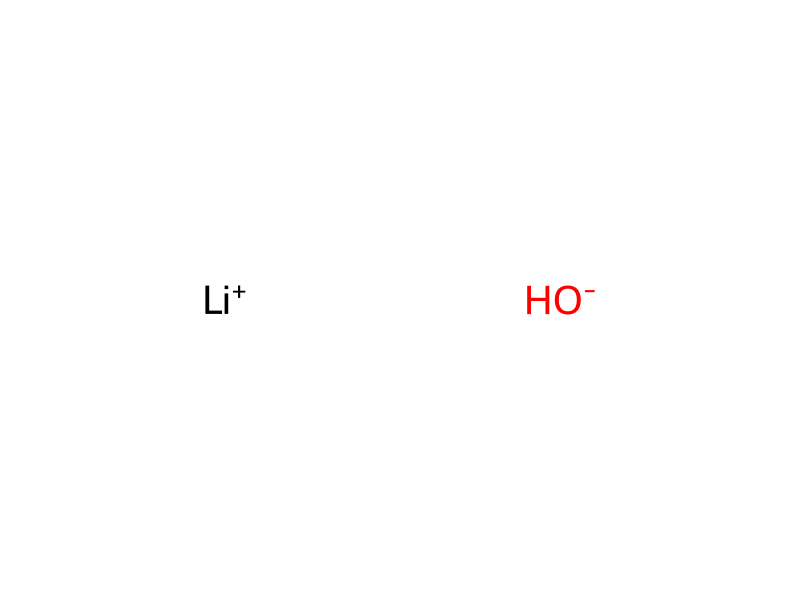
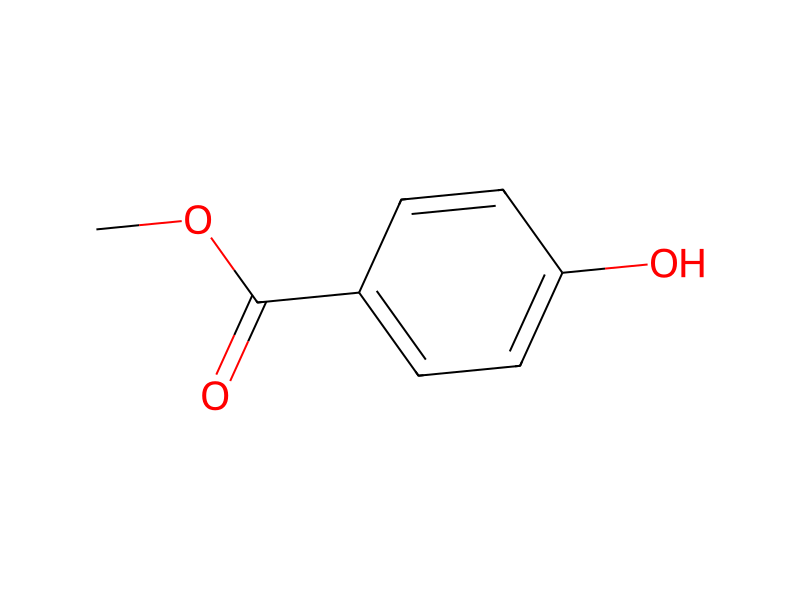
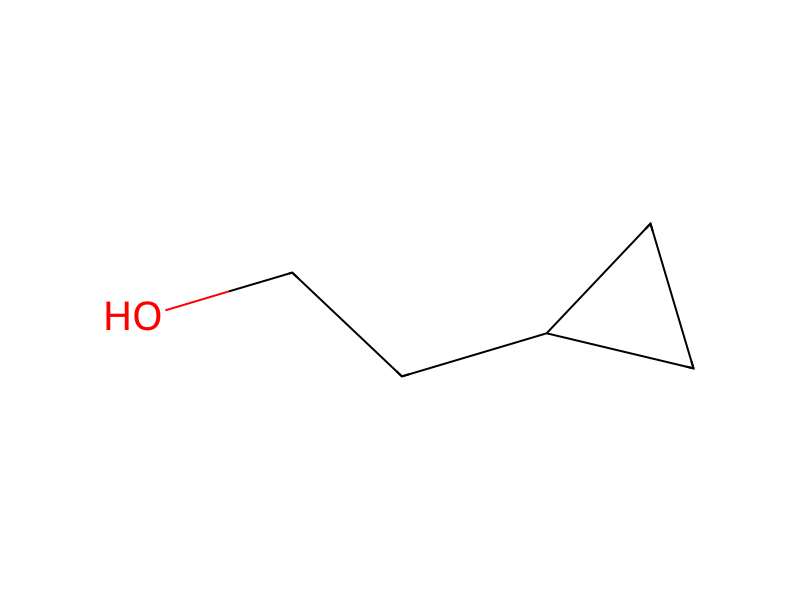
HCID 313Hydrochloric AcidHCID 3939Lithium HydroxideHCID 7456MethylparabenHCID 11776TriphenylphosphineHCID 1376422-Cyclopropylethan-1-olHCID 220568ethyl N-ethoxycarbonyliminocarbamate

Product 1

HCID 58111626
4-(2-Cyclopropylethoxy)benzoic acid
Yield 78%

Reagents, catalysts & solvents 3

HCID 702EthanolSolventHCID 962WaterSolventHCID 8028TetrahydrofuranSolvent

Procedure

Methyl 4-hydroxybenzoate (8.83 g, 58.0 mmol), 2-cyclopropylethanol (5.13 g, 59.6 mmol), and triphenylphosphine (15.7 g, 59.9 mmol) were dissolved in tetrahydrofuran (THF, 250 mL), and then diethyl azodicarboxylate (29.8 mL, 40% toluene solution, 59.6 mmol) was added thereto under ice-cooling with stirring. The mixture was stirred at room temperature for two days, and then to the reaction solution was added water (200 mL). The resulting mixture was extracted with ethyl acetate twice. The organic layers were combined, washed with saturated brine, and dried over anhydrous magnesium sulfate. Then, the solvent was evaporated. The obtained residue was dissolved in diethyl ether, the resulting precipitate was removed by filtration, and diethyl ether was evaporated. This filtration procedure was repeated twice, and the residue was purified by silica gel column chromatography (n-hexane:ethyl acetate, 20:1, V/V) to give an oily substance (13.2 g). All this substance was dissolved in ethanol (200 mL), and a 2 M lithium hydroxide aqueous solution (60 mL, 120 mmol) was added thereto. The mixture was stirred at 60° C. for 50 min, and then 10% hydrochloric acid (40 mL) was added thereto under ice-cooling. The mixture was extracted with ethyl acetate twice. The organic layers were combined, washed with saturated brine, and dried over anhydrous magnesium sulfate. Then, the solvent was evaporated. The obtained residue was suspended in diisopropyl ether, and the precipitate was collected by filtration and dried under reduced pressure to give 9.28 g of the title compound (powder, yield: 78%).


Workup

  1. temperatureunder ice-cooling
  2. stirringThe mixture was stirred at room temperature for two days
  3. extractionThe resulting mixture was extracted with ethyl acetate twice
  4. washwashed with saturated brine
  5. dry with materialdried over anhydrous magnesium sulfate
  6. customThen, the solvent was evaporated
  7. dissolutionThe obtained residue was dissolved in diethyl ether
  8. customthe resulting precipitate was removed by filtration, and diethyl ether
  9. customwas evaporated
  10. filtrationThis filtration procedure
  11. customthe residue was purified by silica gel column chromatography (n-hexane:ethyl acetate, 20:1, V/V)
  12. customto give an oily substance (13.2 g)
  13. stirringThe mixture was stirred at 60° C. for 50 min
  14. temperatureunder ice-cooling
  15. extractionThe mixture was extracted with ethyl acetate twice
  16. washwashed with saturated brine
  17. dry with materialdried over anhydrous magnesium sulfate
  18. customThen, the solvent was evaporated
  19. filtrationthe precipitate was collected by filtration
  20. customdried under reduced pressure

Sources & evidence

ORD record
ord-571f013bb84648deb00d59303b911c11
Source dataset
uspto-grants-2013_01
DOI
10.6084/m9.figshare.5104873.v1
Patent number
US08344029B2

Reaction notes

On this pageParticipantsProcedureWorkupSources & evidenceReaction notes