HomeMCPWorkbenchSkills
HomeWorkbenchNotificationsMe
llms.txt · MCP GuidePrivacy Policy · Terms of Service · Supportv1.8.3
  1. Home
  2. /Reaction

1,2-Dichloroethane → (E)-2-[2-(1H-indazol-3-yl)vinyl]-N-(thiazol-2-yl)benzamide

HRID 1821343
Print

Reaction equation

HRID 1821343 reaction equation
[NH:1]1[C:9]2[C:4](=[CH:5][CH:6]=[CH:7][CH:8]=2)[C:3](/[CH:10]=[CH:11]/[C:12]2[CH:20]=[CH:19][CH:18]=[CH:17][C:13]=2[C:14]([OH:16])=O)=[N:2]1.CN1CCOCC1.[NH2:28][C:29]1[S:30][CH:31]=[CH:32][N:33]=1.C(Cl)CCl.O.ON1C2C=CC=CC=2N=N1>C1COCC1.C(OCC)(=O)C.O>[NH:1]1[C:9]2[C:4](=[CH:5][CH:6]=[CH:7][CH:8]=2)[C:3](/[CH:10]=[CH:11]/[C:12]2[CH:20]=[CH:19][CH:18]=[CH:17][C:13]=2[C:14]([NH:28][C:29]2[S:30][CH:31]=[CH:32][N:33]=2)=[O:16])=[N:2]1
ParticipantsProcedureWorkupSources & evidenceReaction notes

Participants

9

Reactant 5

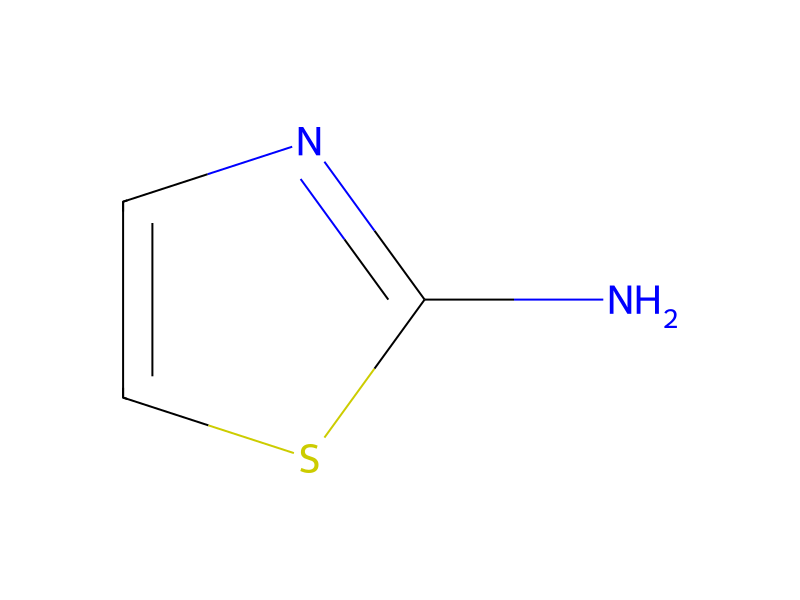
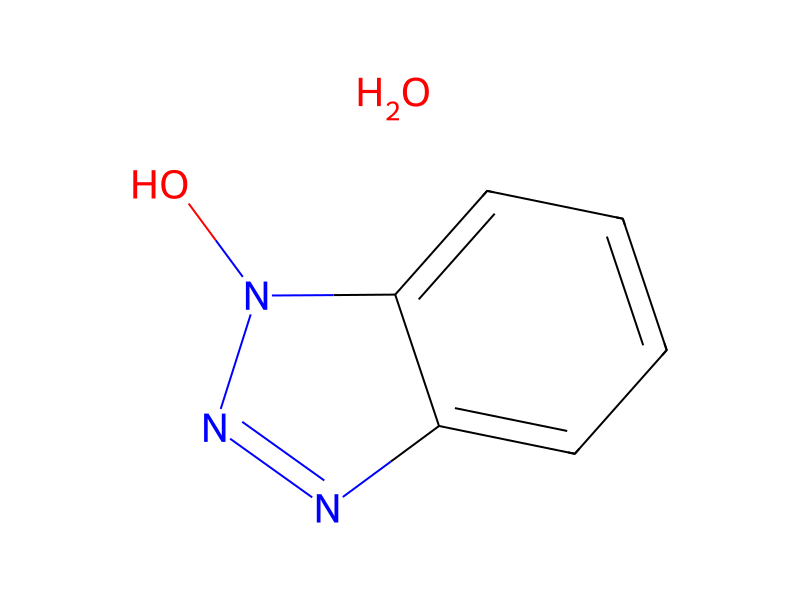
HCID 111,2-DichloroethaneHCID 21552-AminothiazoleHCID 79724-MethylmorpholineHCID 27960291-Hydroxybenzotriazole hydrateHCID 57586985(E)-2-[2-(1H-indazol-3-yl)vinyl]benzoic acid

Product 1

HCID 86628202(E)-2-[2-(1H-indazol-3-yl)vinyl]-N-(thiazol-2-yl)benzamide
Yield 22.3%

Reagents, catalysts & solvents 3

HCID 962WaterSolventHCID 8028TetrahydrofuranSolventHCID 8857Ethyl AcetateSolvent

Procedure

A solution of (E)-2-[2-(1H-indazol-3-yl)vinyl]benzoic acid (30 mg, 0.11 mmol) obtained in Step 1 of Example 47 in THF (0.50 mL), was sequentially added with 4-methylmorpholine (25 μL, 0.23 mmol), 2-aminothiazole (17 mg, 0.17 mmol), EDC (31 mg, 0.16 mmol) and 1-hydroxybenzotriazole monohydrate (20 mg, 0.15 mmol), followed by stirring at room temperature for 2.0 hours. The reaction mixture was added with water and ethyl acetate to separate the mixture into organic layer and aqueous layer and the organic layer was concentrated under reduced pressure. The residue was purified by silica gel column chromatography (chloroform/methanol=100/0 to 95/5) and the obtained compound was crystallized from 4.0 mol/L hydrogen chloride-ethyl acetate solution (1.0 mL)/ethyl acetate (1.0 mL). The obtained solid was added with ethyl acetate and saturated aqueous sodium hydrogencarbonate solution to separate the mixture into organic layer and aqueous layer and the organic layer was concentrated under reduced pressure. The residue was purified by silica gel column chromatography (chloroform/methanol=15/1) to obtain Compound 138 (8.5 mg, 22%).


Workup

  1. customto separate the mixture into organic layer and aqueous layer
  2. concentrationthe organic layer was concentrated under reduced pressure
  3. customThe residue was purified by silica gel column chromatography (chloroform/methanol=100/0 to 95/5)
  4. customthe obtained compound was crystallized from 4.0 mol/L hydrogen chloride-ethyl acetate solution (1.0 mL)/ethyl acetate (1.0 mL)
  5. additionThe obtained solid was added with ethyl acetate and saturated aqueous sodium hydrogencarbonate solution
  6. customto separate the mixture into organic layer and aqueous layer
  7. concentrationthe organic layer was concentrated under reduced pressure
  8. customThe residue was purified by silica gel column chromatography (chloroform/methanol=15/1)

Sources & evidence

ORD record
ord-c17cfcb458f64facbc4b6d1771ca80ba
Source dataset
uspto-grants-2009_10
DOI
10.6084/m9.figshare.5104873.v1
Patent number
US07605272B2

Reaction notes

On this pageParticipantsProcedureWorkupSources & evidenceReaction notes