HomeMCPWorkbenchSkills
HomeWorkbenchNotificationsMe
llms.txt · MCP GuidePrivacy Policy · Terms of Service · Supportv1.8.3
  1. Home
  2. /Reaction

Water → N-(2-chloro-4-hydroxy-benzyl)-2,4,6-trimethyl-N-[4-(3-oxo-propyl)-phenyl]-benzenesulfonamide

HRID 1827572
Print

Reaction equation

HRID 1827572 reaction equation
[Cl:1][C:2]1[CH:28]=[C:27]([OH:29])[CH:26]=[CH:25][C:3]=1[CH2:4][N:5]([C:18]1[CH:23]=[CH:22][C:21](I)=[CH:20][CH:19]=1)[S:6]([C:9]1[C:14]([CH3:15])=[CH:13][C:12]([CH3:16])=[CH:11][C:10]=1[CH3:17])(=[O:8])=[O:7].[CH2:30]([OH:33])[CH:31]=[CH2:32].C(=O)(O)[O-].[Na+].O>CN(C)C=O.[Cl-].C([N+](CCCC)(CCCC)CCCC)CCC.CC([O-])=O.CC([O-])=O.[Pd+2].C(OCC)(=O)C>[Cl:1][C:2]1[CH:28]=[C:27]([OH:29])[CH:26]=[CH:25][C:3]=1[CH2:4][N:5]([C:18]1[CH:23]=[CH:22][C:21]([CH2:32][CH2:31][CH:30]=[O:33])=[CH:20][CH:19]=1)[S:6]([C:9]1[C:14]([CH3:15])=[CH:13][C:12]([CH3:16])=[CH:11][C:10]=1[CH3:17])(=[O:8])=[O:7]
ParticipantsConditionsProcedureWorkupSources & evidenceReaction notes

Participants

9

Reactant 4

HCID 962WaterHCID 7858Allyl Alcohol2×HCID 516892Sodium BicarbonateHCID 22137423N-(2-Chloro-4-hydroxy-benzyl)-N-(4-iodo-phenyl)-2,4,6-trimethyl-benzenesulfonamide

Product 1

HCID 22137388N-(2-chloro-4-hydroxy-benzyl)-2,4,6-trimethyl-N-[4-(3-oxo-propyl)-phenyl]-benzenesulfonamideYield 92%

Reagents, catalysts & solvents 4

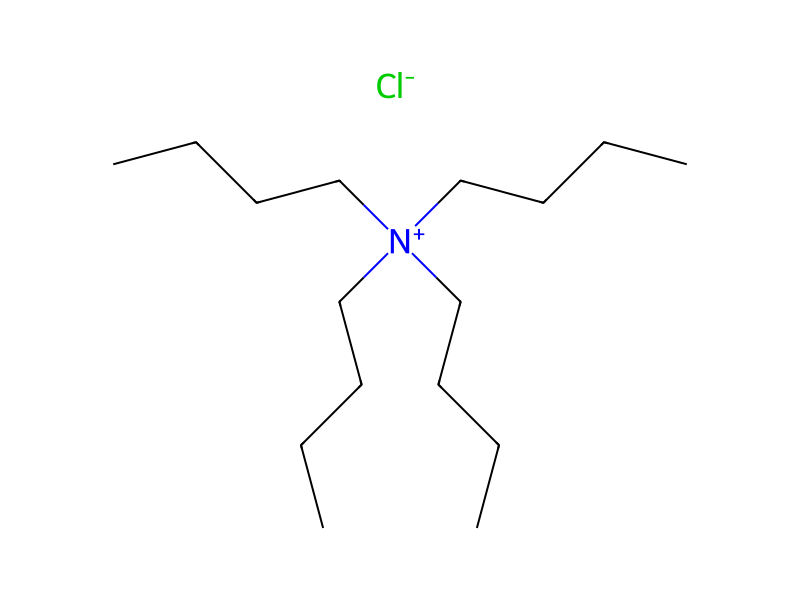
HCID 70681Tetrabutylammonium ChlorideCatalystHCID 167845palladium(II) acetateCatalystHCID 6228DimethylformamideSolventHCID 8857Ethyl AcetateSolvent

Conditions

Temperature
50 °C

Procedure

To a solution of N-(2-chloro-4-hydroxy-benzyl)-N-(4-iodo-phenyl)-2,4,6-trimethyl-benzenesulfonamide (0.652 g, 1.20 mmol) in 6 mL dimethylformamide was added allyl alcohol (0.204 mL, 3.01 mmol), Pd(OAc)2, sodium bicarbonate (0.253 g, 3.01 mmol), and tetrabutylammonium chloride (0.333 g, 1.20 mmol). The reaction mixture was stirred at 50° C. for 6 hr. and at room temperature overnight. Additional allyl alcohol (0.100 mL, 1.47 mmol), was added and the reaction mixture was stirred at 50° C. for an additional 4 hr. The reaction mixture was allowed to cool, water and ethyl acetate were added, and the mixture was filtered through diatomaceous earth. The filtrate was washed several times with water and the combined aqueous layers were extracted with ethyl acetate. The combined organic layers were dried (magnesium sulfate) and concentrated. Medium pressure silica gel chromatography of the residue (2:1 hexanes:ethyl acetate) afforded 0.52 g (92%) of the title compound.

Workup

  1. customat room temperature
  2. customovernight
  3. stirringthe reaction mixture was stirred at 50° C. for an additional 4 hr
  4. temperatureto cool
  5. filtrationthe mixture was filtered through diatomaceous earth
  6. washThe filtrate was washed several times with water
  7. extractionthe combined aqueous layers were extracted with ethyl acetate
  8. dry with materialThe combined organic layers were dried (magnesium sulfate)
  9. concentrationconcentrated

Sources & evidence

ORD record
ord-a7bf79ef29ef4a56ba10b0890e7f146c
Source dataset
uspto-grants-2006_05
DOI
10.6084/m9.figshare.5104873.v1
Patent number
US07053212B2

Reaction notes

On this pageParticipantsConditionsProcedureWorkupSources & evidenceReaction notes