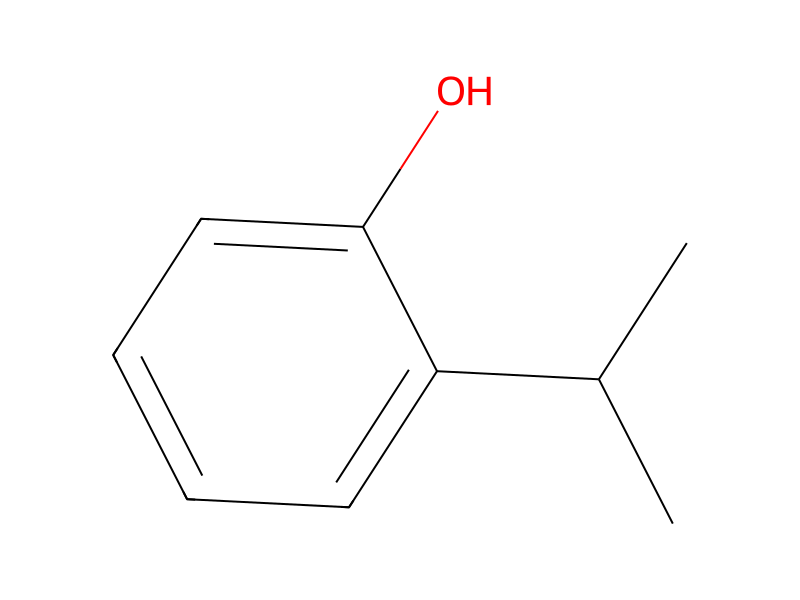
To a solution of isopropyl phenol (10 g) in 200 mL of chlorobenzene was added butyllithium hexane solution (5.9 mL, 2.5 M in hexane) and SnCl4 (0.88 mL) at 0° C. The mixture was stirred at room temperature for 15 min, followed by addition of 2,2,2-trifluoroethanol (0.53 mL) and trimethylsilylethyne (11.5 mL). The mixture was heated at 110° C. for 3 h, THF (120 mL) and KF (4.7 g) were added, and the mixture was stirred for another 5 h. Water (80 mL) was then added and the mixture was stirred for another hour. After separation of the layers, the organic layer was washed with water (2×100 mL) and dried over Na2SO4 and concentrated to about 20 to 25 mL. The crude product including remaining chlorobenzene was chromatographed. The fraction containing 2-isopropyl-6-vinylphenol was collected and concentrated to about 20 mL (but not completely dried). It was diluted with EtOH (50 mL) and concentrated again to about 20 mL. This process was repeated 3 times to reduce the amount of chlorobenzene. A flask containing the EtOH solution (100 mL) of this vinyl phenol was charged with hydrogen in the presence of Pd/C (300 mg) and hydrogenated using a balloon for 5 h. The solid was removed and the filtrate was concentrated to afford 2-ethyl-6-isopropylphenol as a clear oil (8.5 g).