HomeMCPWorkbenchSkills
HomeWorkbenchNotificationsMe
llms.txt · MCP GuidePrivacy Policy · Terms of Service · Supportv1.8.3
  1. Home
  2. /Reaction

2-Nitrotoluene → Benzaldehyde

HRID 2186650
Print

Reaction equation

HRID 2186650 reaction equation
[Br-].C(N([P+](N(CC)CC)(N(CC)CC)N(CC)CC)CC)C.[F-:23].[K+].[N+](C1C=CC=CC=1C)([O-])=O.Cl[C:36]1[CH:43]=[CH:42][C:39]([CH:40]=[O:41])=[CH:38][CH:37]=1>CN1CCCC1=O.C1(C)C(C)=CC=CC=1>[F:23][C:36]1[CH:43]=[CH:42][C:39]([CH:40]=[O:41])=[CH:38][CH:37]=1.[CH:40](=[O:41])[C:39]1[CH:42]=[CH:43][CH:36]=[CH:37][CH:38]=1
ParticipantsProcedureWorkupSources & evidenceReaction notes

Participants

8

Reactant 4

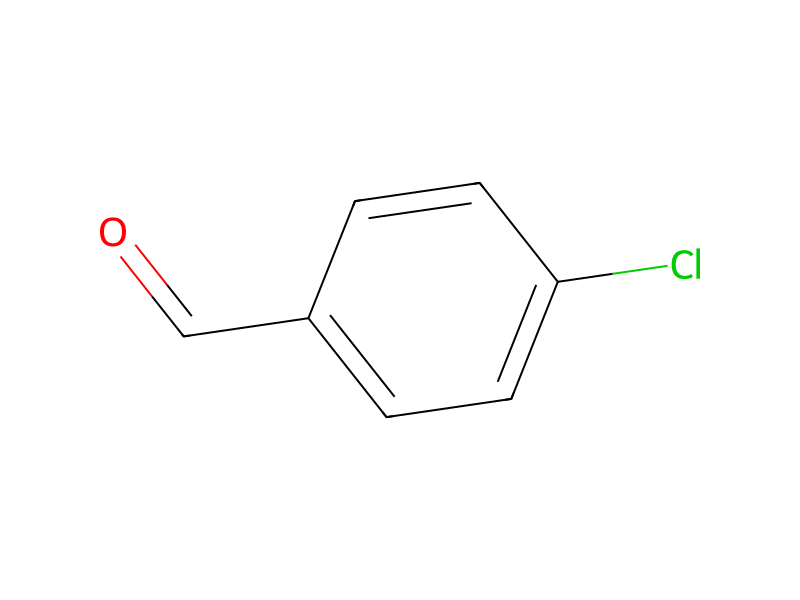
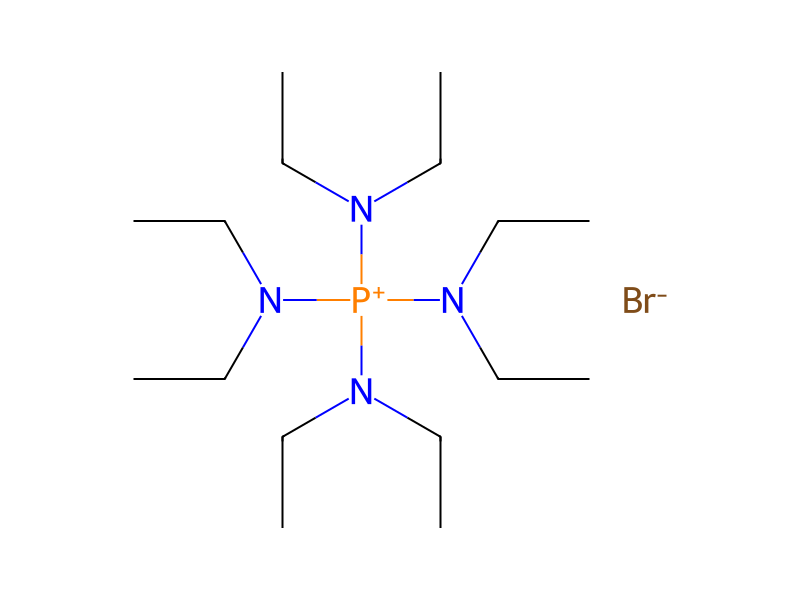
HCID 69442-NitrotolueneHCID 77264-ChlorobenzaldehydeHCID 522689Potassium FluorideHCID 11036771Tetrakis(diethylamino)phosphonium bromide

Product 2

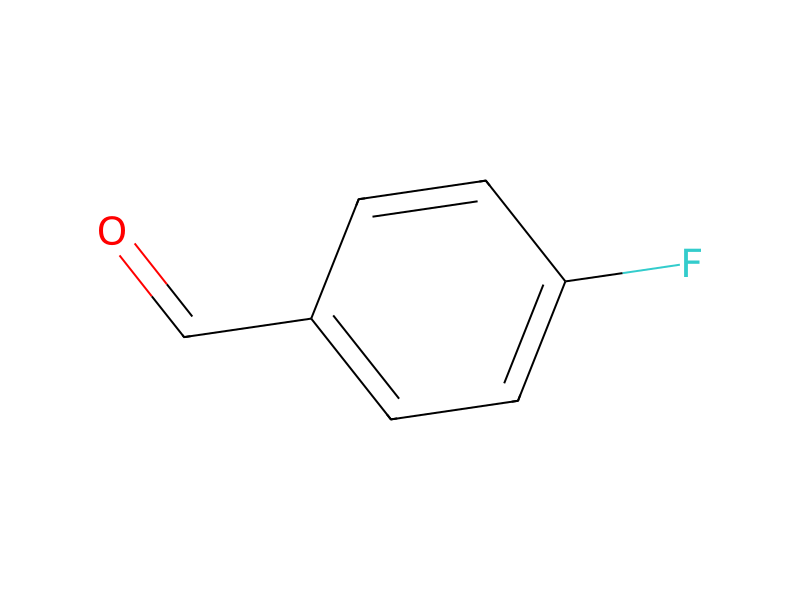
HCID 240BenzaldehydeHCID 680234-Fluorobenzaldehyde

Reagents, catalysts & solvents 2

HCID 7237O-XyleneSolventHCID 13387N-methyl-2-pyrrolidoneSolvent

Procedure

At 60° C., a solution of 12.0 g (0.03 mol) of tetrakis(diethylamino)phosphonium bromide in 12 g of N-methylpyrrolidone (NMP), 174.3 g (3 mol) of potassium fluoride, 4.1 g (0.03 mol) of nitrotoluene and 18 ml of xylene are successively added to 421.7 g (3 mol) of 4-chlorobenzaldehyde (4-CBAL). The reaction mixture is dried by azeotropic distillation of the xylene under reduced pressure. After 24 hours at 1 90° C., the formation of 4-fluorobenzaldehyde (4-FBAL) and of benzaldehyde produced by dehalogenation, and the conversion of the reaction are determined by gas chromatography.

Workup

  1. dry with materialThe reaction mixture is dried by azeotropic distillation of the xylene under reduced pressure

Sources & evidence

ORD record
ord-952e4b891acd47d899810b31b7163350
Source dataset
uspto-grants-2002_06
DOI
10.6084/m9.figshare.5104873.v1
Patent number
US06407029B1

Reaction notes

On this pageParticipantsProcedureWorkupSources & evidenceReaction notes