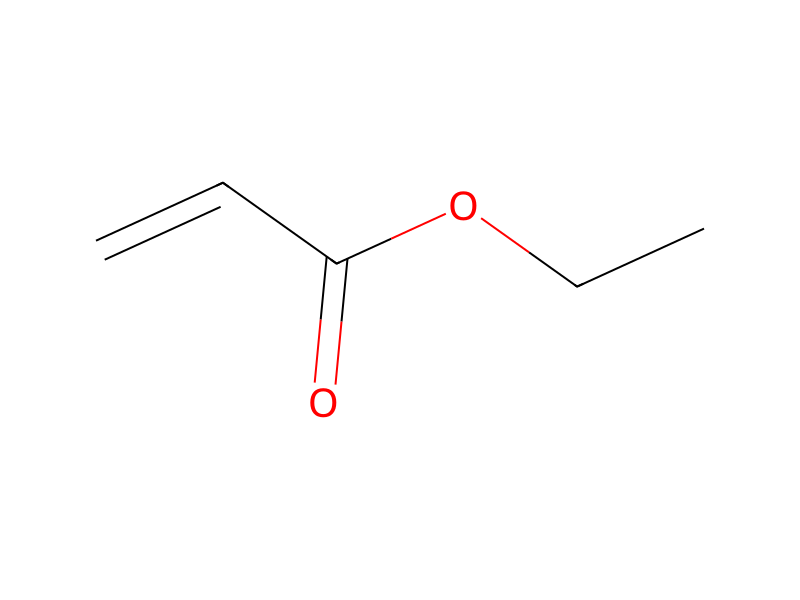
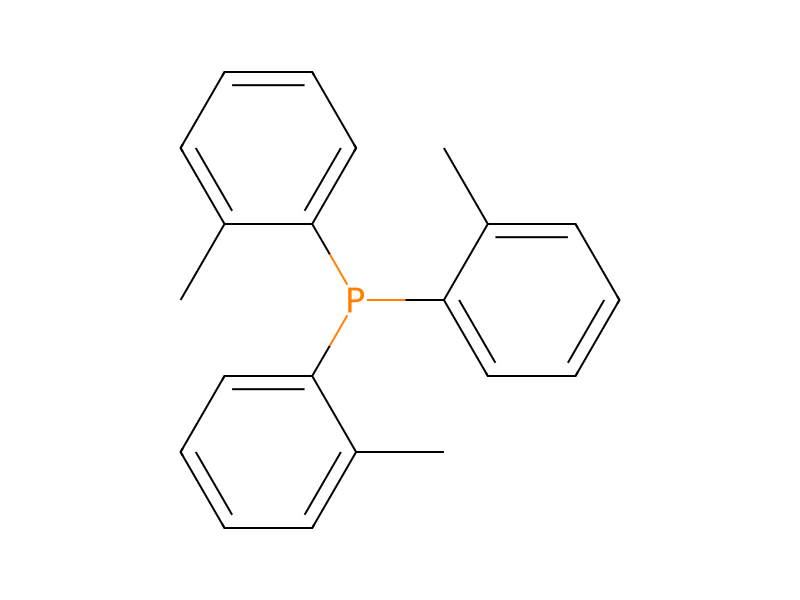
[NH2:1][C:2]1[CH:7]=[CH:6][C:5](Br)=[CH:4][N:3]=1.C(N(CC)C(C)C)(C)C.[C:18]([O:22][CH2:23][CH3:24])(=[O:21])[CH:19]=[CH2:20].CC1C=CC=CC=1P(C1C=CC=CC=1C)C1C=CC=CC=1C>CN(C)C=O.C([O-])(=O)C.[Pd+2].C([O-])(=O)C>[NH2:1][C:2]1[N:3]=[CH:4][C:5]([CH:20]=[CH:19][C:18]([O:22][CH2:23][CH3:24])=[O:21])=[CH:6][CH:7]=12-Amino-5-bromopyridine (15 g) was dissolved in a mixed solvent of N,N-dimethylformamide (hereinafter referred to as “DMF”; 60 ml) and N,N-diisopropylethylamine (60 ml). Ethyl acrylate (12 ml), palladium acetate (980 mg), and tris(2-methylphenyl)phosphine (10.5 g) were added thereto in a nitrogen atmosphere, and the mixture was stirred at 100° C. for 12 hours. The reaction mixture was filtered through Celite and separated with ethyl acetate and water. The organic layer was washed with a saturated sodium chloride solution, and then dried over anhydrous sodium sulfate. The solvent was distilled off, and the residue was crystallized with N-hexane to obtain Compound 1a (15.5 g, 89%) as a yellow solid.