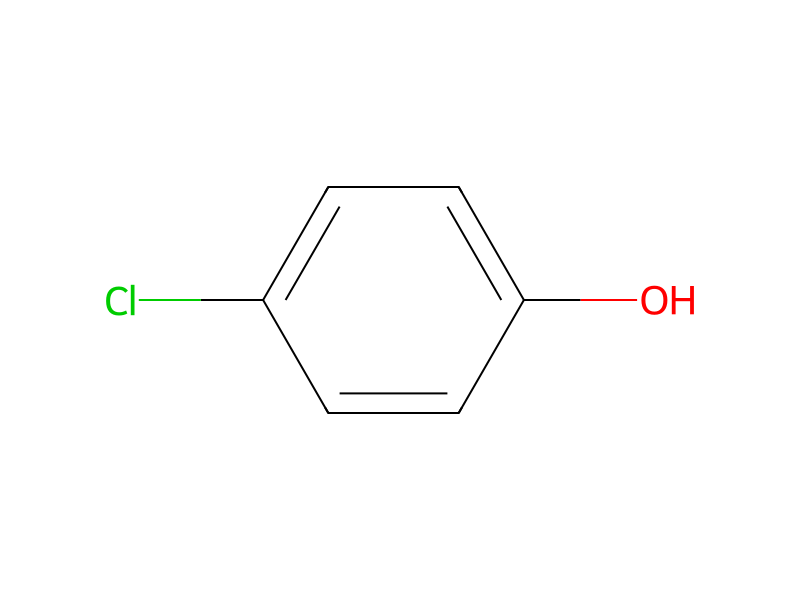
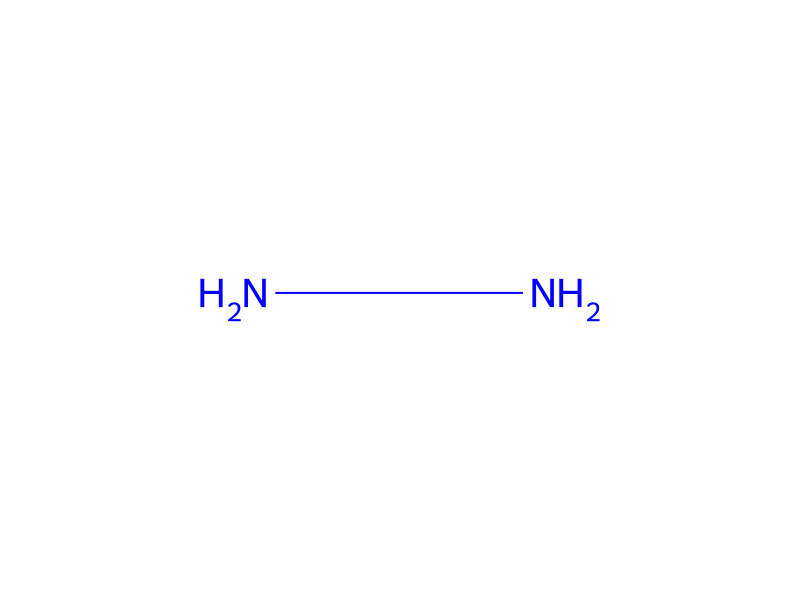
A solution of 4-chlorophenol (6.4 g, 50 mmol) in THF (25 mL) was treated with NaH (60% in mineral oil, 2 g, 50 mmol) at 0° C. In another flask, a solution of ethyl 4-chloroacetoacetate (10.21 mL, 75 mmol) in THF (25 mL) was treated NaH (60% in mineral oil, 3.5 g, 75 mmol) at −20° C. The resulting yellowish suspension was slowly added to the solution of sodium 4-chlorophenoxide, which was kept at 0° C. After the addition of DMF (10 mL), the reaction temperature was slowly raised to 70° C. After reaction mixture was stirred at 70° C. for overnight, it was cooled and evaporated to dryness. The residue was purified by flash column chromatography (ethyl acetate/hexanes=1/9) to afford TC-II-148 as a yellowish oil, which still contained some 4-chloroacetoacetate. No further purification was applied for the next step of synthesis. Exposure to hydrazine in refluxing ethanol, generated TC-II-150.