HomeMCPSkillsWorkbenchOpenChem
HomeWorkbenchNotificationsMe
llms.txt · skill.md · MCP GuidePrivacy Policy · Terms of Service · Supportv1.8.4
  1. Home
  2. /Reaction

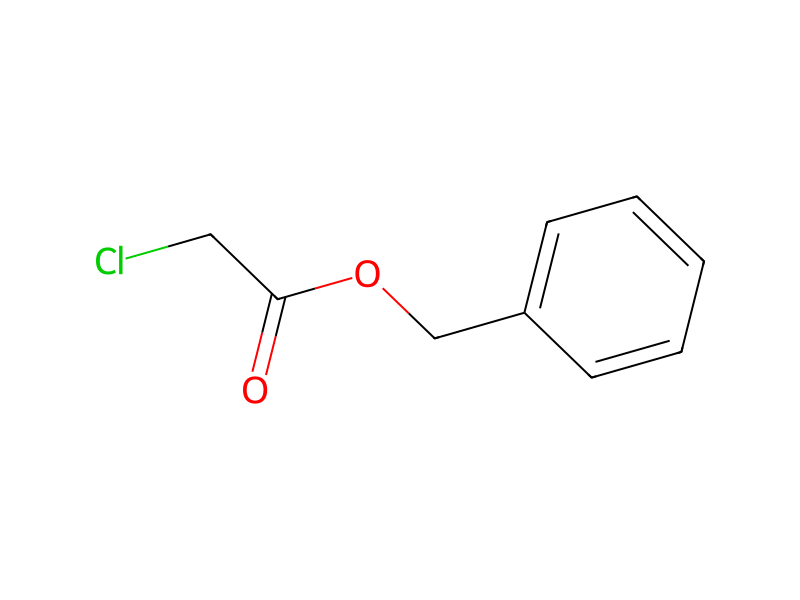
Acetic acid, 2-chloro-, phenylmethyl ester → 2,3,4,6-Tetra-O-benzoyl-1-O-carboxymethyl-mannopyranose

HRID 2307738
Print

Reaction equation

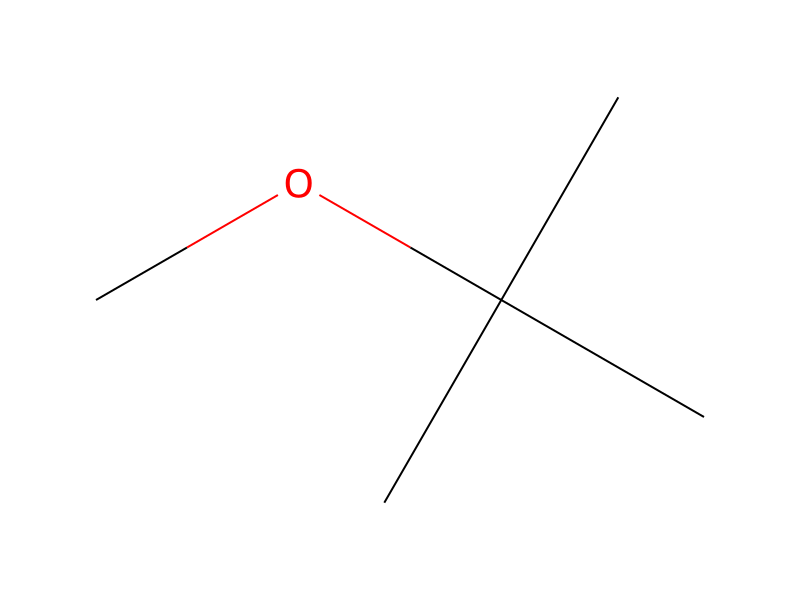
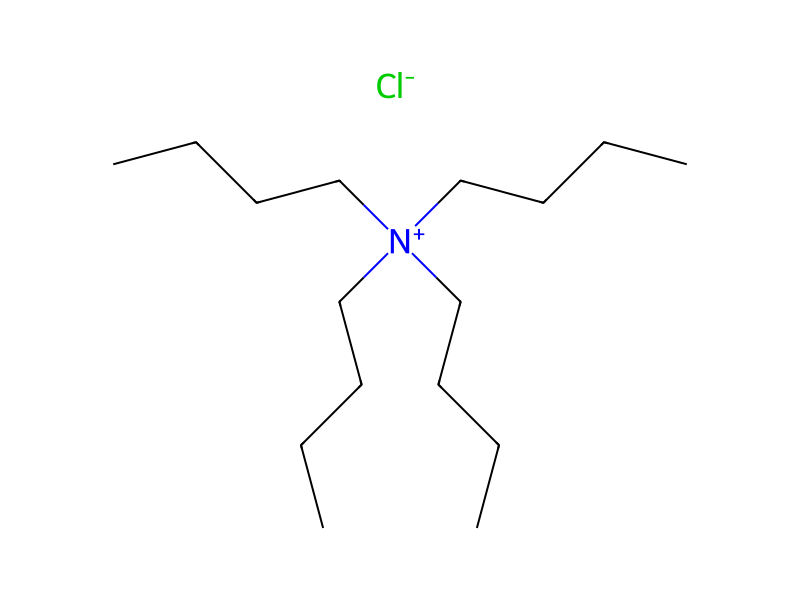
[C:1]([O:9][C@H:10]1[C@@H:16]([O:17][C:18](=[O:25])[C:19]2[CH:24]=[CH:23][CH:22]=[CH:21][CH:20]=2)[C@H:15]([O:26][C:27](=[O:34])[C:28]2[CH:33]=[CH:32][CH:31]=[CH:30][CH:29]=2)[C@@H:14]([CH2:35][O:36][C:37](=[O:44])[C:38]2[CH:43]=[CH:42][CH:41]=[CH:40][CH:39]=2)[O:13][CH:11]1[OH:12])(=[O:8])[C:2]1[CH:7]=[CH:6][CH:5]=[CH:4][CH:3]=1.C(=O)([O-])[O-].[K+].[K+].C([O:58][C:59](=[O:62])[CH2:60]Cl)C1C=CC=CC=1.COC(C)(C)C>[Cl-].C([N+](CCCC)(CCCC)CCCC)CCC.CN(C)C=O>[C:1]([O:9][C@H:10]1[C@@H:16]([O:17][C:18](=[O:25])[C:19]2[CH:24]=[CH:23][CH:22]=[CH:21][CH:20]=2)[C@H:15]([O:26][C:27](=[O:34])[C:28]2[CH:29]=[CH:30][CH:31]=[CH:32][CH:33]=2)[C@@H:14]([CH2:35][O:36][C:37](=[O:44])[C:38]2[CH:39]=[CH:40][CH:41]=[CH:42][CH:43]=2)[O:13][CH:11]1[O:12][CH2:60][C:59]([OH:62])=[O:58])(=[O:8])[C:2]1[CH:7]=[CH:6][CH:5]=[CH:4][CH:3]=1
ParticipantsConditionsProcedureWorkupSources & evidenceReaction notes

Participants

7

Reactant 4

HCID 8786Acetic acid, 2-chloro-, phenylmethyl esterHCID 11430Potassium CarbonateHCID 15413tert-Butyl methyl etherHCID 111463962,3,4,6-Tetra-O-benzoylhexopyranose

Product 1

HCID 102831152,3,4,6-Tetra-O-benzoyl-1-O-carboxymethyl-mannopyranose

Reagents, catalysts & solvents 2

HCID 70681Tetrabutylammonium ChlorideCatalystHCID 6228DimethylformamideSolvent

Conditions

Temperature
0 °C

Procedure

A mixture that consists of 59.66 g (100 mmol) of 2,3,4,6-tetra-O-benzoyl-mannopyranose, 1.39 g (5 mmol) of tetrabutylammonium chloride and 15.2 g (110 mmol) of anhydrous potassium carbonate in 500 ml of dimethylformamide is cooled to 0° C. At 0° C., 36.92 g (200 mmol) of chloroacetic acid benzyl ester is added in drops over 20 minutes while being stirred vigorously. It is stirred for one hour at 10° C. 250 ml of methyl-tert-butyl ether is added, the organic phase is separated, it is filtered and evaporated to the dry state in a vacuum. The residue is taken up in 500 ml of ethanol and mixed with 5 g of palladium (10%) on activated carbon. It is hydrogenated until hydrogen absorption is completed. Catalyst is filtered out, it is rewashed with a little ethanol, and the combined solutions are evaporated to the dry state in a vacuum. The residue is chromatographed on silica gel (mobile solvent: dichloromethane/n=hexane/ethanol/acetic acid=20:5:3:0.5). The product-containing fractions are concentrated by evaporation, dissolved in 400 ml of ethyl acetate and shaken out three times with 200 ml of water. Then, the organic phase is separated and evaporated to the dry state in a vacuum.

Workup

  1. stirringIt is stirred for one hour at 10° C
  2. customthe organic phase is separated
  3. filtrationit is filtered
  4. customevaporated to the dry state in a vacuum
  5. additionmixed with 5 g of palladium (10%) on activated carbon
  6. customIt is hydrogenated until hydrogen absorption
  7. filtrationCatalyst is filtered out
  8. customthe combined solutions are evaporated to the dry state in a vacuum
  9. customThe residue is chromatographed on silica gel (mobile solvent: dichloromethane/n=hexane/ethanol/acetic acid=20:5:3:0.5)
  10. concentrationThe product-containing fractions are concentrated by evaporation
  11. dissolutiondissolved in 400 ml of ethyl acetate
  12. stirringshaken out three times with 200 ml of water
  13. customThen, the organic phase is separated
  14. customevaporated to the dry state in a vacuum

Sources & evidence

ORD record
ord-42947a17a1344963a0cf2418a8343509
Source dataset
uspto-grants-2004_12
DOI
10.6084/m9.figshare.5104873.v1
Patent number
US06831164B2

Reaction notes

On this pageParticipantsConditionsProcedureWorkupSources & evidenceReaction notes