HomeMCPSkillsWorkbenchOpenChem
HomeWorkbenchNotificationsMe
llms.txt · skill.md · MCP GuidePrivacy Policy · Terms of Service · Supportv1.8.5
  1. Home
  2. /Reaction

Hydrochloric Acid → 1-[4-(4-Chlorobenzyl)piperazin-1-yl]-3-(3-hydroxyphenoxy)propane

HRID 2309112
Print

Reaction equation

Cl[CH2:2][CH2:3][CH2:4][N:5]1[CH2:10][CH2:9][N:8]([CH2:11][C:12]2[CH:17]=[CH:16][C:15]([Cl:18])=[CH:14][CH:13]=2)[CH2:7][CH2:6]1.[I-].[Na+].[C:21]1([CH:28]=[CH:27][CH:26]=[C:24]([OH:25])[CH:23]=1)[OH:22].C(=O)([O-])[O-].[K+].[K+].Cl.[K+].[Br-]>CC(=O)CC.C(O)C>[Cl:18][C:15]1[CH:16]=[CH:17][C:12]([CH2:11][N:8]2[CH2:9][CH2:10][N:5]([CH2:4][CH2:3][CH2:2][O:22][C:21]3[CH:28]=[CH:27][CH:26]=[C:24]([OH:25])[CH:23]=3)[CH2:6][CH2:7]2)=[CH:13][CH:14]=1
ParticipantsProcedureWorkupSources & evidenceReaction notes

Participants

9

Reactant 6

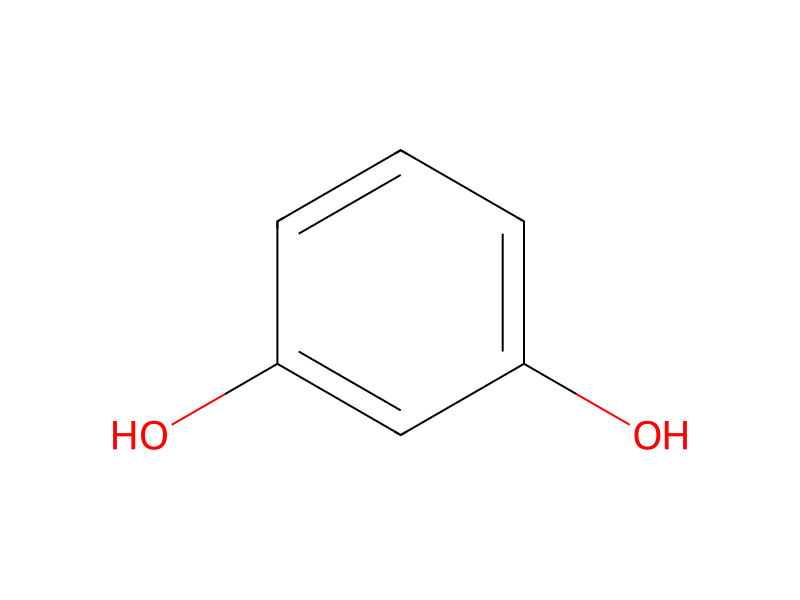
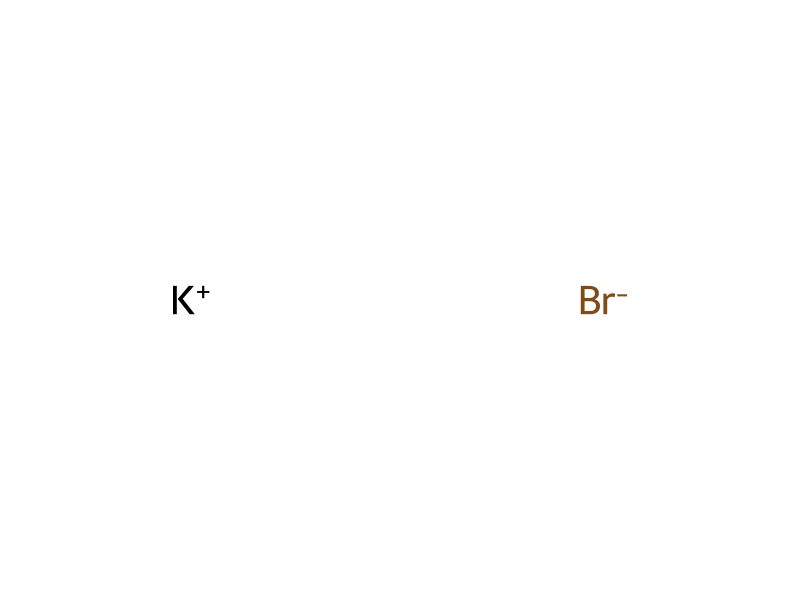
HCID 313Hydrochloric AcidHCID 5054ResorcinolHCID 5238Sodium IodideHCID 11430Potassium CarbonateHCID 253877Potassium BromideHCID 133997271-[(4-Chlorophenyl)methyl]-4-(3-chloropropyl)piperazine

Product 1

HCID 20186859
1-[4-(4-Chlorobenzyl)piperazin-1-yl]-3-(3-hydroxyphenoxy)propane
Yield 73%

Reagents, catalysts & solvents 2

HCID 702EthanolSolvent2×HCID 6569Methyl Ethyl KetoneSolvent2×

Procedure

To a solution of 1-chloro-3-[4-(4-chlorobenzyl)piperazin-1-yl]propane (50 g, 0.174 mole, prepared as in EP No. 10392) in butanone (250 ml) was added sodium iodide (26.09 g, 0.174 mole) and the mixture was stirred for 45 minutes under N2. This solution was then added dropwise to a stirred, refluxing mixture of resorcinol (95.84 g, 0.87 mole), anhydrous potassium carbonate (24.06 g, 0.174 mole) and butanone (400 ml) which had previously been heated to reflux for 1.5 hours. After a further 26 hours at reflux the mixture was cooled and filtered. Concentration in vacuo afforded a brown oil which was redissolved in ethanol (500 ml) and acidified with ethanolic hydrogen chloride (400 ml). The resulting precipitate was filtered off under N2, washed with ethanol and dissolved in water (1.25 liters) at 50° C. Saturated aqueous sodium bicarbonate solution was added to pH 7 and the product extracted into dichloromethane. Evaporation of the dried extracts gave a white solid which on trituration with ether gave 45.82 g (73%) of the title compound of mp (EtOH) 134°-135° C., νmax (KBr) 1490, 1600, 2820, 2870, 2940, 3420 cm-1, δ(DMSO) 1.98 (2H, m, CH2CH2CH2), 2.56 (8H, bs, N--CH2 [piperazine]), 2.6 (2H, t, N--CH2), 3.48 (2H, s, CH2Ar), 3.92 (2H, t, J=6 Hz, O--CH2), 5.6 (1H, broad exchangeable, OH), 6.32-6.41 (3H, m, aromatic), 7.06 (1H, t, J=8 Hz, resorcinol C--5H), 7.25 (4H, d.d, J=13 Hz, 8.5 Hz, chlorobenzyl aromatic).


Workup

  1. additionThis solution was then added dropwise to a stirred
  2. temperaturerefluxing
  3. temperaturehad previously been heated
  4. temperatureto reflux for 1.5 hours
  5. temperatureAfter a further 26 hours at reflux the mixture
  6. temperaturewas cooled
  7. filtrationfiltered
  8. concentrationConcentration in vacuo
  9. customafforded a brown oil which
  10. filtrationThe resulting precipitate was filtered off under N2
  11. washwashed with ethanol
  12. dissolutiondissolved in water (1.25 liters) at 50° C
  13. additionSaturated aqueous sodium bicarbonate solution was added to pH 7
  14. extractionthe product extracted into dichloromethane
  15. customEvaporation of the dried extracts
  16. customgave a white solid which on trituration with ether

Sources & evidence

ORD record
ord-e5041ff48855450e94beb63d67a18ef4
Source dataset
uspto-grants-1987_09
DOI
10.6084/m9.figshare.5104873.v1
Patent number
US04692526

Reaction notes

On this pageParticipantsProcedureWorkupSources & evidenceReaction notes