Dimethylformamide → 3-[(Trimethylsilyl)ethynyl]benzenesulfonamide
HRID 238352
Reaction equation

CN(C)C=O.Br[C:7]1[CH:8]=[C:9]([S:13]([NH2:16])(=[O:15])=[O:14])[CH:10]=[CH:11][CH:12]=1.[CH3:17][Si:18]([C:21]#[CH:22])([CH3:20])[CH3:19].C(N(CC)CC)C>[Cu]I.Cl[Pd](Cl)([P](C1C=CC=CC=1)(C1C=CC=CC=1)C1C=CC=CC=1)[P](C1C=CC=CC=1)(C1C=CC=CC=1)C1C=CC=CC=1.C1(P(C2C=CC=CC=2)C2C=CC=CC=2)C=CC=CC=1.O>[CH3:17][Si:18]([C:21]#[C:22][C:7]1[CH:8]=[C:9]([S:13]([NH2:16])(=[O:15])=[O:14])[CH:10]=[CH:11][CH:12]=1)([CH3:20])[CH3:19]Participants
9
Reactant 4


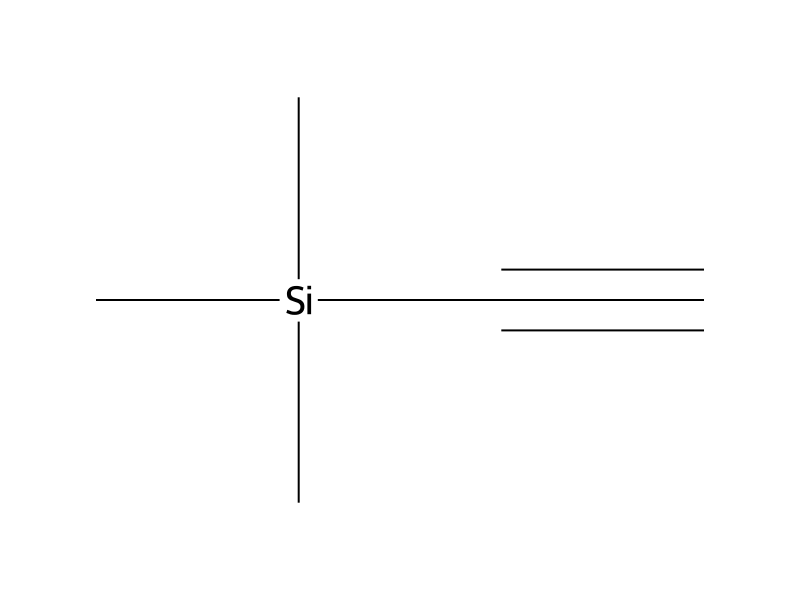
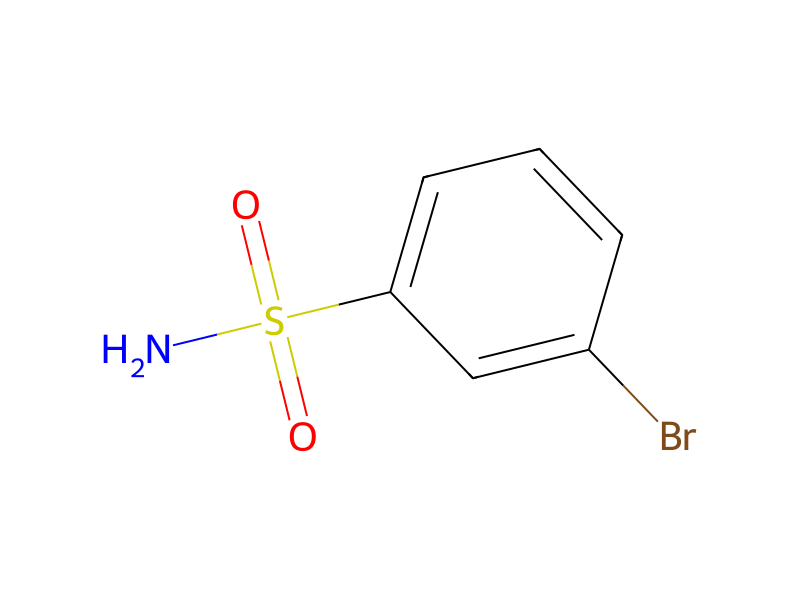
Product 1

Reagents, catalysts & solvents 4



