HomeMCPWorkbenchSkills
HomeWorkbenchNotificationsMe
llms.txt · MCP GuidePrivacy Policy · Terms of Service · Supportv1.8.3
  1. Home
  2. /Reaction

Propargyl alcohol → (3-(4-Methoxyphenyl)-1,2-oxazol-5-yl)methanol

HRID 240807
Print

Reaction equation

HRID 240807 reaction equation
[CH:1](=O)[C:2]1[CH:7]=[CH:6][C:5]([O:8][CH3:9])=[CH:4][CH:3]=1.C(=O)(O)[O-].[Na+].Cl.[NH2:17][OH:18].ClN1C(=O)[CH2:23][CH2:22][C:21]1=[O:26].C(O)C#C.C(N(CC)CC)C>C(O)C.ClCCl.O>[CH3:9][O:8][C:5]1[CH:6]=[CH:7][C:2]([C:1]2[CH:23]=[C:22]([CH2:21][OH:26])[O:18][N:17]=2)=[CH:3][CH:4]=1
ParticipantsProcedureWorkupSources & evidenceReaction notes

Participants

10

Reactant 6

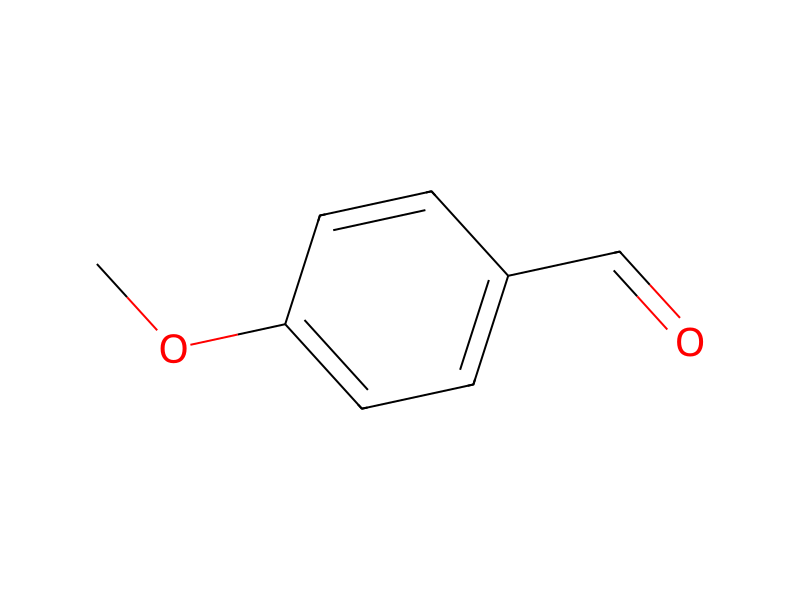
HCID 7859Propargyl alcoholHCID 8471TriethylamineHCID 312444-MethoxybenzaldehydeHCID 31398ChlorosuccinimideHCID 443297Hydroxyamine hydrochlorideHCID 516892Sodium Bicarbonate

Product 1

HCID 1471841
(3-(4-Methoxyphenyl)-1,2-oxazol-5-yl)methanol
Yield 65%

Reagents, catalysts & solvents 3

HCID 702EthanolSolventHCID 962WaterSolventHCID 6344DichloromethaneSolvent

Procedure

p-Anisaldehyde (3.0 g, 22 mol) was dissolved in ethanol (30 mL), and sodium bicarbonate (2.2 g, 26 mmol) was then added to the solution. The obtained mixture was stirred at room temperature, and an aqueous solution (15 mL) of hydroxylamine hydrochloride (1.7 g, 24 mmol) was then added to the reaction solution. The obtained mixture was stirred at room temperature for 1 hour. Thereafter, the reaction solution was concentrated under reduced pressure, and a sodium bicarbonate aqueous solution was then added to the residue, followed by extraction three times with ethyl acetate. The organic layer was washed with a saturated saline, and it was then dried over anhydrous sodium sulfate, followed by concentration under reduced pressure. The residue was dissolved in dimethylformamide (40 mL), and the mixture was then stirred under ice cooling. Subsequently, N-chlorosuccinimide (2.9 g, 22 mmol) was added to the reaction solution. The obtained mixture was stirred for 2.5 hours, while raising the temperature of the reaction mixture to room temperature. Thereafter, water was added to the reaction solution, and it was then extracted with ethyl acetate three times. The organic layer was washed with a saturated saline, and it was then dried over anhydrous sodium sulfate, followed by concentration under reduced pressure. The residue was purified with a fractionation purification apparatus (Biotage, ethyl acetate:hexane=2:98-2:3). The obtained chloro compound (2.5 g, 13.5 mmol) was dissolved in dichloromethane (30 mL), and propargyl alcohol (1.2 mL, 20.2 mmol) and triethylamine (2.3 mL, 16.2 mmol) were then added to the solution. The obtained mixture was stirred at room temperature for 2 hours. The reaction solution was concentrated under reduced pressure, and the residue was purified with a fractionation purification apparatus (Biotage, ethyl acetate:hexane=1:3-3:1), so as to obtain the title compound (1.8 g, 65%) in the form of a yellow solid.

Workup

  1. stirringThe obtained mixture was stirred at room temperature for 1 hour
  2. concentrationThereafter, the reaction solution was concentrated under reduced pressure
  3. additiona sodium bicarbonate aqueous solution was then added to the residue
  4. extractionfollowed by extraction three times with ethyl acetate
  5. washThe organic layer was washed with a saturated saline, and it
  6. dry with materialwas then dried over anhydrous sodium sulfate
  7. concentrationfollowed by concentration under reduced pressure
  8. dissolutionThe residue was dissolved in dimethylformamide (40 mL)
  9. stirringthe mixture was then stirred under ice cooling
  10. stirringThe obtained mixture was stirred for 2.5 hours
  11. temperaturewhile raising the temperature of the reaction mixture to room temperature
  12. extractionwas then extracted with ethyl acetate three times
  13. washThe organic layer was washed with a saturated saline, and it
  14. dry with materialwas then dried over anhydrous sodium sulfate
  15. concentrationfollowed by concentration under reduced pressure
  16. customThe residue was purified with a fractionation purification apparatus (Biotage, ethyl acetate:hexane=2:98-2:3)
  17. stirringThe obtained mixture was stirred at room temperature for 2 hours
  18. concentrationThe reaction solution was concentrated under reduced pressure
  19. customthe residue was purified with a fractionation purification apparatus (Biotage, ethyl acetate:hexane=1:3-3:1)

Sources & evidence

ORD record
ord-0ee3dab5797e420ebe491aa64510d580
Source dataset
uspto-grants-2014_02
DOI
10.6084/m9.figshare.5104873.v1
Patent number
US08648103B2

Reaction notes

On this pageParticipantsProcedureWorkupSources & evidenceReaction notes