Reaction equation

COC(=O)CNC(=O)C=CC1C=CC=CC=1.[C:17]([O:21][C:22](=[O:25])[CH2:23][NH2:24])([CH3:20])([CH3:19])[CH3:18].CN1CCOCC1.[C:33](O)(=[O:40])[C:34]1[CH:39]=[CH:38][CH:37]=[CH:36][CH:35]=1.ClC(OCC(C)C)=O>CN(C)C=O.C(OCC)(=O)C>[C:17]([O:21][C:22](=[O:25])[CH2:23][NH:24][C:33](=[O:40])[C:34]1[CH:39]=[CH:38][CH:37]=[CH:36][CH:35]=1)([CH3:20])([CH3:19])[CH3:18]Participants
8
Reactant 5
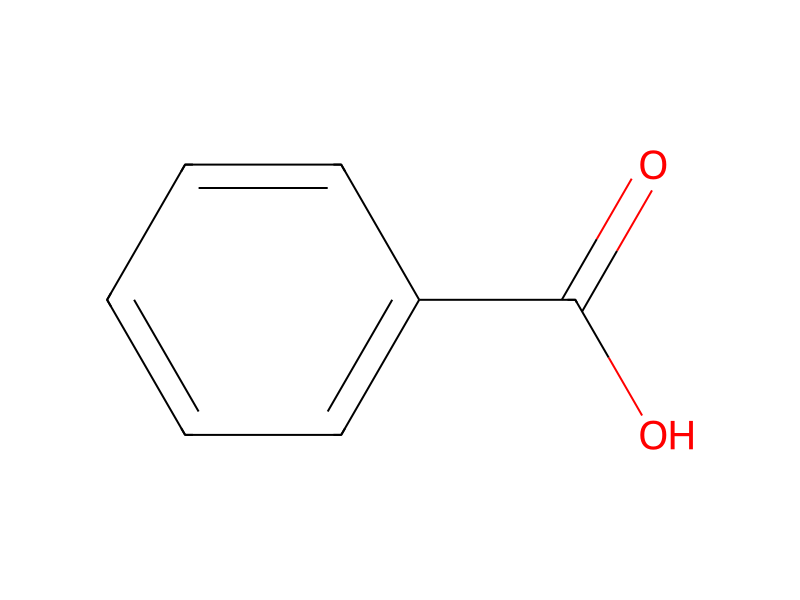



Product 1

Reagents, catalysts & solvents 2


Conditions
- Temperature
- 0 °C
Procedure
Following the same general procedure described previously for cinnamoyl-glycine-methyl ester, glycine-t-butyl ester. MCl (10.88 grams) was dissolved in dimethyl formamide (approximately 100 ml), cooled to 0° C. and treated with N-methylmorpholine (9.04 ml, 1 equivalent) followed immediately by a pre-cooled solution of benzoic acid (7.94 grams) in ethyl acetate (approximately 75 ml) which had been pre-activated by treatment with N-methylmorpholine (9.04 ml) followed by isobutyl chloroformate (8.4 ml) at -20° C. After work-up, benzoyl-glycine-t-butyl ester was obtained as a white solid which was used for the next step without further purification.
Sources & evidence
- ORD record
- ord-4d01de82081c4a869f6b99e9d83ef640
- Source dataset
- uspto-grants-1993_05
- Patent number
- US05212158
Linked notes
Loading…