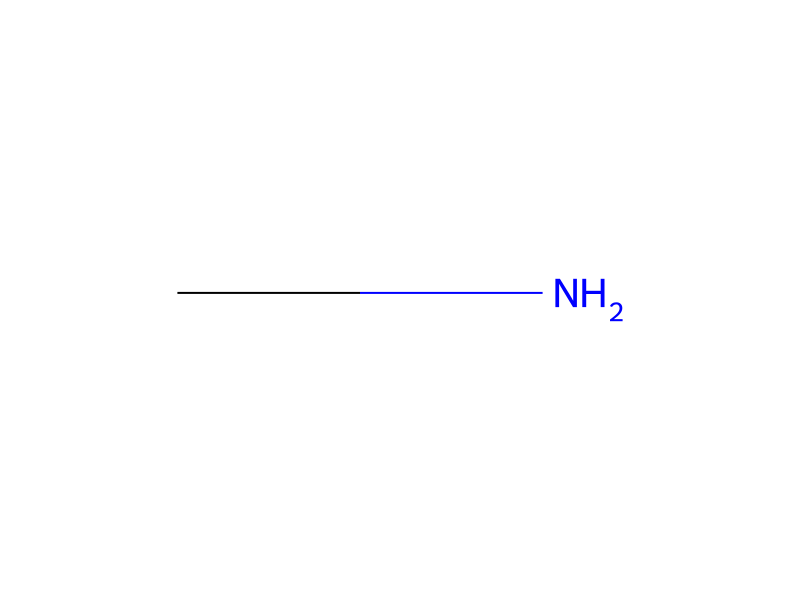
Oxalyl chloride (1.01 mL, 11.6 mmol) was added to a suspension of 4-chloronicotinic acid (prepared according to F. Guillier et al. J. Org. Chem. 1995, 60, 292) (1.5 g, 7.7 mmol) in CH2Cl2 (15 mL) containing 2 drops of DMF. The mixture was stirred at room temperature for 1 h then evaporated to dryness, suspended in CH2Cl2 (10 mL) and re-evaporated. The residue was re-suspended in CH2Cl2 (10 mL), cooled to 0° C. and treated with triethylamine (3.23 mL, 23.2 mmol) dropwise followed by a 2M solution of methylamine in THF (7.7 mL, 15.4 mmol) dropwise. The resulting orange mixture was stirred at 0° C. for 20 min before being concentrated in vacuo. The residue was treated with sat. NaHCO3 (aq) (30 mL), extracted with CH2Cl2 10×25 mL) and the combined organic layers were dried (MgSO4) and evaporated to give an orange oil which crystallised. The solid was triturated with ether (10 mL), stirred for 30 min, then filtered and washed with 1:1 ether/pentane (20 mL) to give the title amide (986 mg, 75%) as an off-white solid; δH (CDCl3, 400 MHz) 3.07 (3H, d), 6.20 (1H, br), 7.37 (1H, d), 8.53 (1H, d), 8.86 (1H, s).