HomeMCPWorkbenchSkills
HomeWorkbenchNotificationsMe
llms.txt · MCP GuidePrivacy Policy · Terms of Service · Supportv1.8.3
  1. Home
  2. /Reaction

Ammonia → 1,3-Bis(trimethylsilyl)urea

HRID 435187
Print

Reaction equation

HRID 435187 reaction equation
C[Si](C)(C)[NH:3][Si:4]([CH3:7])([CH3:6])[CH3:5].[NH2:10][C:11](N)=[O:12].S1(C2C(=CC=CC=2)C(=O)N1)(=O)=O.N.Cl>C(OCC)(=O)C>[CH3:5][Si:4]([CH3:7])([CH3:6])[NH:10][C:11]([NH:3][Si:4]([CH3:5])([CH3:6])[CH3:7])=[O:12]
ParticipantsProcedureWorkupSources & evidenceReaction notes

Participants

7

Reactant 5

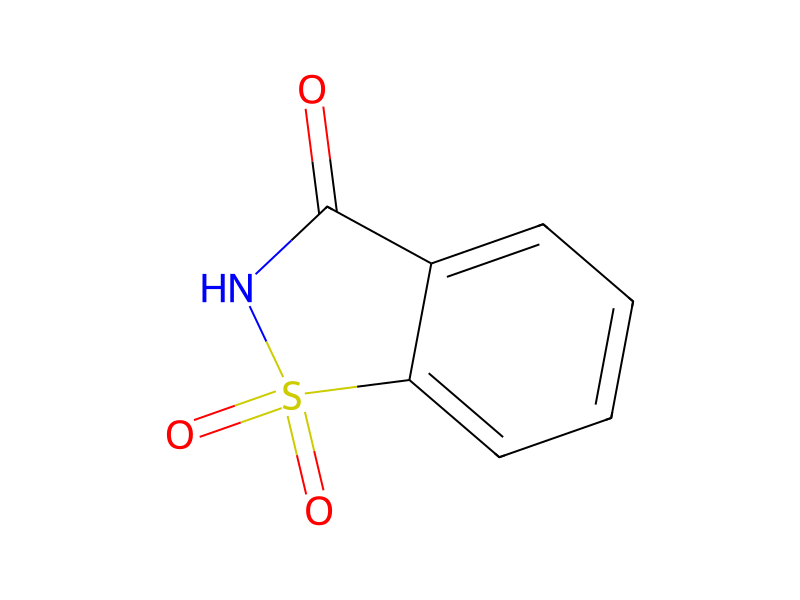
HCID 222AmmoniaHCID 313Hydrochloric AcidHCID 1176UreaHCID 5143SaccharinHCID 13838Hexamethyldisilazane

Product 1

HCID 875621,3-Bis(trimethylsilyl)urea

Reagents, catalysts & solvents 1

HCID 8857
Ethyl Acetate
Solvent

Procedure

10 ml of hexamethyldisilazane (48 mmoles) were added to 2.4 g (40 mmoles) of urea and 73 mg (0.4 mmole) of saccharin in 15 ml of refluxing ethyl acetate and evolution of ammonia started immediately and was completed after refluxing for 20 minutes established by titration with 1 N HCl. The volatile material was evaporated under vacuum and the residue was vacuum dried to obtain 8.06 (99%) of N,N'-bis-(trimethylsilyl)-urea melting at 219°-222° C. Without the addition of saccharin as a catalyst, evolution of ammonia was slow and the reaction had to be carried out for at least 24 hours for completion.

Workup

  1. temperatureafter refluxing for 20 minutes
  2. customThe volatile material was evaporated under vacuum
  3. customdried

Sources & evidence

ORD record
ord-06b40b03c462478da3c070af2a5fa03a
Source dataset
uspto-grants-1983_08
DOI
10.6084/m9.figshare.5104873.v1
Patent number
US04400509

Reaction notes

On this pageParticipantsProcedureWorkupSources & evidenceReaction notes