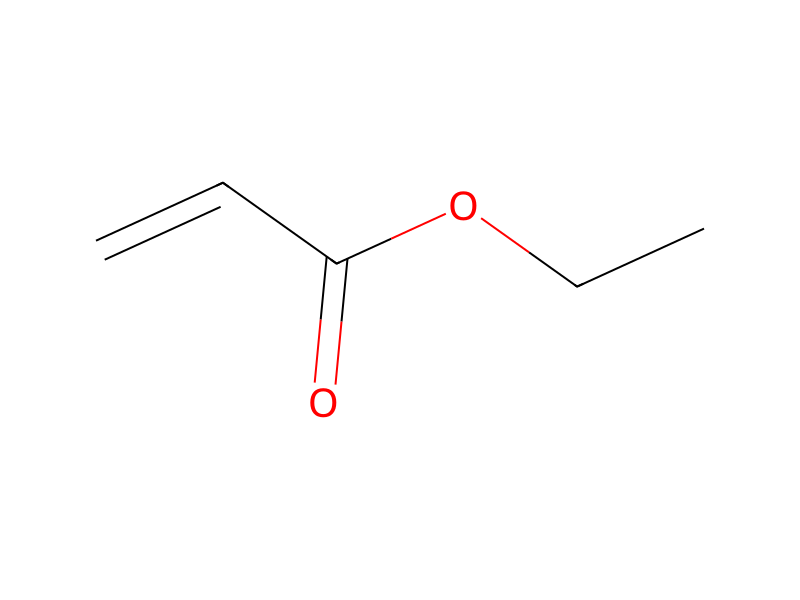
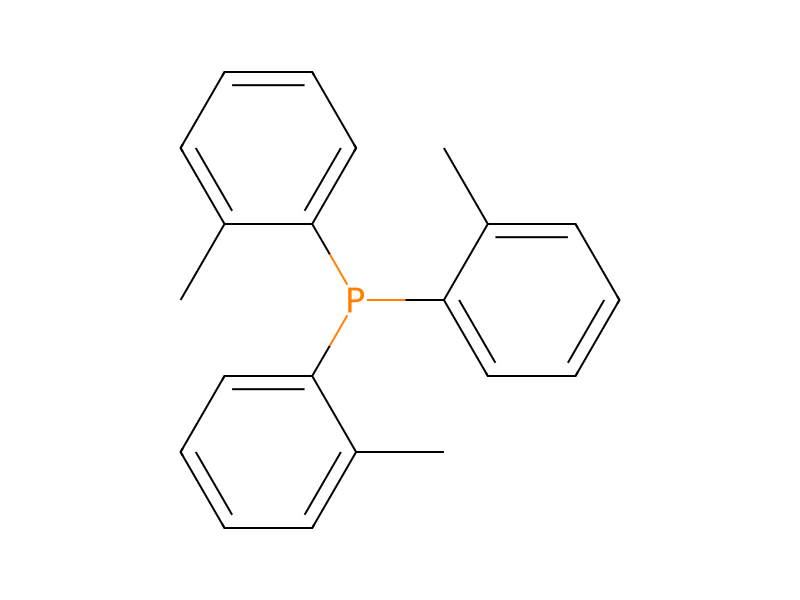
[NH2:1][C:2]1[C:7](I)=[CH:6][N:5]=[C:4]([Br:9])[CH:3]=1.[C:10]([O:14][CH2:15][CH3:16])(=[O:13])[CH:11]=[CH2:12].C(N(CC)CC)C>CN(C=O)C.C([O-])(=O)C.[Pd+2].C([O-])(=O)C.C1(C)C=CC=CC=1P(C1C=CC=CC=1C)C1C=CC=CC=1C>[NH2:1][C:2]1[CH:3]=[C:4]([Br:9])[N:5]=[CH:6][C:7]=1/[CH:12]=[CH:11]/[C:10]([O:14][CH2:15][CH3:16])=[O:13]4-Amino-2-bromo-5-iodopyridine (9.0 g 30.0 mmole) was dissolved in DMF (90 mL) and ethyl acrylate (6.5 mL, 60 mmole), triethylamine (6.1 mL, 43.2 mmole), tri-o-tolylphosphine (728 mg 2.4 mmole) and palladium acetate (270 mg 1.2 mmole) were added. The reaction was placed under nitrogen and heated at 100° C. for 3 hours. The reaction was concentrated in vacuo and diluted with EtOAc (250 mL). Water (100 mL) was added and the biphasic mixture filtered through celite. The filter cake was washed with EtOAc and the organic layers collected. The combined organic layers were washed with water (2×100 mL), brine, dried over sodium sulphate and concentrated in vacuo. The residue was purified using silica gel column chromatography eluting with a gradient of 10-40% EtOAc in DCM to afford the title compound (7.29 g, 89%).