HomeMCPSkillsWorkbenchOpenChem
HomeWorkbenchNotificationsMe
llms.txt · skill.md · MCP GuidePrivacy Policy · Terms of Service · Supportv1.8.6
  1. Home
  2. /Reaction

Hydrochloric Acid → 1-(3-Chloropropyl)isatin

HRID 851121
Print

Reaction equation

[NH:1]1[C:11]2[C:6](=[CH:7][CH:8]=[CH:9][CH:10]=2)[C:4](=[O:5])[C:2]1=[O:3].CC(C)([O-])C.[K+].Br[CH2:19][CH2:20][CH2:21][Cl:22].Cl>CN(C)C=O.C(OCC)(=O)C>[Cl:22][CH2:21][CH2:20][CH2:19][N:1]1[C:11]2[C:6](=[CH:7][CH:8]=[CH:9][CH:10]=2)[C:4](=[O:5])[C:2]1=[O:3]
ParticipantsConditionsProcedureWorkupSources & evidenceReaction notes

Participants

7

Reactant 4

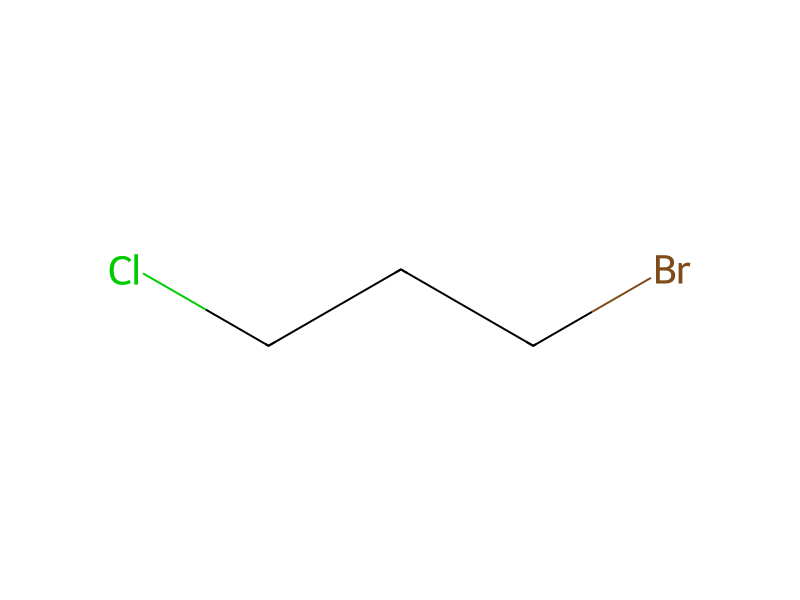
HCID 313Hydrochloric AcidHCID 7054IsatinHCID 80061-Bromo-3-chloropropaneHCID 23665647Potassium tert-butoxide

Product 1

HCID 110854311-(3-Chloropropyl)isatinYield 88.1%

Reagents, catalysts & solvents 2

HCID 6228
Dimethylformamide
Solvent
2×
HCID 8857Ethyl AcetateSolvent

Conditions

Temperature
5 °C

Procedure

To a solution of isatin (14.7 g) in N,N-dimethylformamide (150 ml) was added potassium tert-butoxide (13.95 g) under cooling at 5° C., and the mixture was stirred vigorously for about 10 minutes. To the mixture was added dropwise a solution of 1-bromo-3-chloropropane (17.35 g) in N,N-dimethylformamide (50 ml) over a period of about 30 minutes at ambient temperature, and the mixture was stirred for 5 hours at the same temperature. The reaction mixture was poured into a mixture of ethyl acetate (300 ml) and ice-water (500 ml) containing 50 ml of 10% hydrochloric acid. After separation of the ethyl acetate layer, the aqueous layer was further extracted with ethyl acetate. The ethyl acetate layers were combined, washed with water, dried over anhydrous magnesium sulfate and then evaporated. The residue was subjected to column chromatography on silica gel (100 g) using chloroform as an eluent. The fractions containing the object compound were collected, and concentrated to give crystals of 1-(3-chloropropyl)isatin (19.68 g), mp. 72°-76.5° C.


Workup

  1. stirringthe mixture was stirred for 5 hours at the same temperature
  2. customAfter separation of the ethyl acetate layer
  3. extractionthe aqueous layer was further extracted with ethyl acetate
  4. washwashed with water
  5. dry with materialdried over anhydrous magnesium sulfate
  6. customevaporated
  7. additionThe fractions containing the object compound
  8. customwere collected
  9. concentrationconcentrated

Sources & evidence

ORD record
ord-79893e31bc074f4fab161dcb5b44466a
Source dataset
uspto-grants-1983_05
DOI
10.6084/m9.figshare.5104873.v1
Patent number
US04382934

Reaction notes

On this pageParticipantsConditionsProcedureWorkupSources & evidenceReaction notes