トリフルオロメタンスルホン酸メチル
Methyl triflate

基本情報
- CAS
333-27-7- 標準SMILES
COS(=O)(=O)C(F)(F)F- InChIKey
OIRDBPQYVWXNSJ-UHFFFAOYSA-N- 分子式
- C2H3F3O3S
- 平均分子量
- 164.11 g/mol
- 単同位体質量
- 163.97549962
概要
Methyl trifluoromethane sulfonate is a brown liquid. Insoluble in water. (NTP, 1992) This material is a very reactive methylating agent, also known as methyl triflate.
名称と識別子
- 優先名称
- Methyl triflate
- IUPAC
- methyl trifluoromethanesulfonate
- 現地名
- トリフルオロメタンスルホン酸メチル
- 英語名
- Methyl trifluoromethanesulfonate
- 分子式
- C2H3F3O3S
- 分子量
- 164.1
名称と別名
Methyl trifluoromethanesulfonate333-27-7Methyl triflateMethyl trifluoromethanesulphonateMethanesulfonic acid, trifluoro-, methyl esterDTXSID60492727B25Z22EPVNSC-270679DTXCID1029128Trifluoromethanesulfonic acid, methyl esterRefChem:158046206-371-7
名称をさらに表示
トリフルオロメタンスルホン酸メチルメチルトリフレートメチルトリフルオロメタンスルホナートトリフル酸メチルメチルトリフラートTfOMeMethyl trifluoromethanesulfateMethyl trifluoroMethanesulfonaMethyl trifluoromethanesulfotemethyltrifluoromethanesulfinateMETHYL TRIFLUROMETHANESULFONATE
Trifluoromethanesulfonic Acid Methyl EsterMethyl trifluoromethane sulfonateC2H3F3O3SMeOTfMFCD00000409methyl-13c trifluoromethanesulfonatetrifluoro-methanesulfonic acid methyl esterMethanesulfonic acid, 1,1,1-trifluoro-, methyl ester
データベース識別子
- CAS
333-27-7- PubChem CID
- 9526
- DTXSID
DTXSID6049272- ChEMBL
CHEMBL3185488- UNII
- 7B25Z22EPV
- EC Number
- 206-371-7
- Nikkaji
- J193.765K
物性
構造計算による物性
- XLogP
- 0.9
- 極性表面積
- 51.8 Ų
- 水素結合供与体数
- 0
- 水素結合受容体数
- 6
- 回転可能結合数
- 1
- 重原子数
- 9
- 形式電荷
- 0
- 複雑度
- 172
実験および物理化学的性質
Chemical ClassesOther Classes -> Sulfur Compounds
SpringerMaterials PropertiesSchoenflies notation
Density
1.45 at 68 °F (NTP, 1992) - Denser than water; will sink
1.45 @25 °C
SolubilityInsoluble (NTP, 1992)
Flash Point101 °F (NTP, 1992)
Boiling Point201 to 210 °F at 760 mmHg (NTP, 1992)
Physical Description
Methyl trifluoromethane sulfonate is a brown liquid. Insoluble in water. (NTP, 1992) This material is a very reactive methylating agent, also known as methyl triflate.
Brown liquid; [CAMEO] Clear light yellow liquid; [Sigma-Aldrich MSDS]
物理化学的性質
- 沸点
- 94 · 94-99 °C(lit.)
- 比重(密度)
- 1.45 g/mL · 1.45 g/mL at 25 °C(lit.)
- 屈折率
- 20 · n20/D 1.326(lit.)
- 闪点
- 101 °F · 101 °F
安全と法規制
安全情報は参考情報です。供給元の安全データシート(SDS)、適用法令、専門家による評価に代わるものではありません。
GHS分類
GHS Classification
Danger
H226 (100%): Flammable liquid and vapor [Warning Flammable liquids]
P210, P233, P240, P241, P242, P243, P260, P264, P280, P301+P330+P331, P302+P361+P354, P303+P361+P353, P304+P340, P305+P354+P338, P316, P321, P363, P370+P378, P403+P235, P405, and P501 (click each P-code to see the statement)
Aggregated GHS information provided per 62 reports by companies from 9 notifications to the ECHA C&L Inventory. Each notification may be associated with multiple companies.
危険有害性情報
Regulatory Information
Chemical: Methanesulfonic acid, trifluoro-, methyl ester
Methyl trifluoromethanesulphonate: Does not have an individual approval but may be used under an appropriate group standard
DOT LabelFlammable Liquid Corrosive
Fire HazardsThis chemical is combustible. (NTP, 1992)
Health HazardsACUTE/CHRONIC HAZARDS: When heated to decomposition this compound emits toxic fumes. (NTP, 1992)
Hazards SummaryCauses burns; Inhalation may cause corrosive injuries to upper respiratory tract and lungs; [Sigma-Aldrich MSDS] See Trifluoromethanesulfonic acid. See Ethyl methanesulfonate.
Reactive GroupSulfonates, Phosphonates, and Thiophosphonates, Organic
Reactivity AlertsHighly Flammable
Reactivity Profile
METHYL TRIFLUOROMETHANE SULFONATE is sensitive to heat. (NTP, 1992). Esters react with acids to liberate heat along with alcohols and acids. Strong oxidizing acids may cause a vigorous reaction that is sufficiently exothermic to ignite the reaction products. Heat is also generated by the interaction of esters with caustic solutions. Flammable hydrogen is generated by mixing esters with alkali metals and hydrides.
化学と産業
用途と製造
UsesUsed as a reagent for the methylation of sugars; [NTP]
General Manufacturing InformationMethanesulfonic acid, 1,1,1-trifluoro-, methyl ester: ACTIVE
応用分野
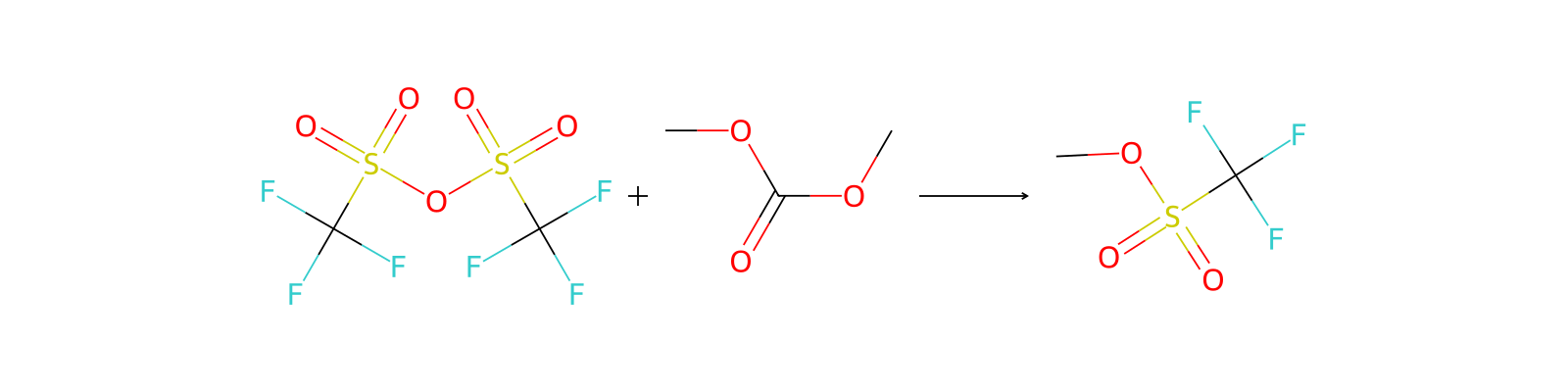
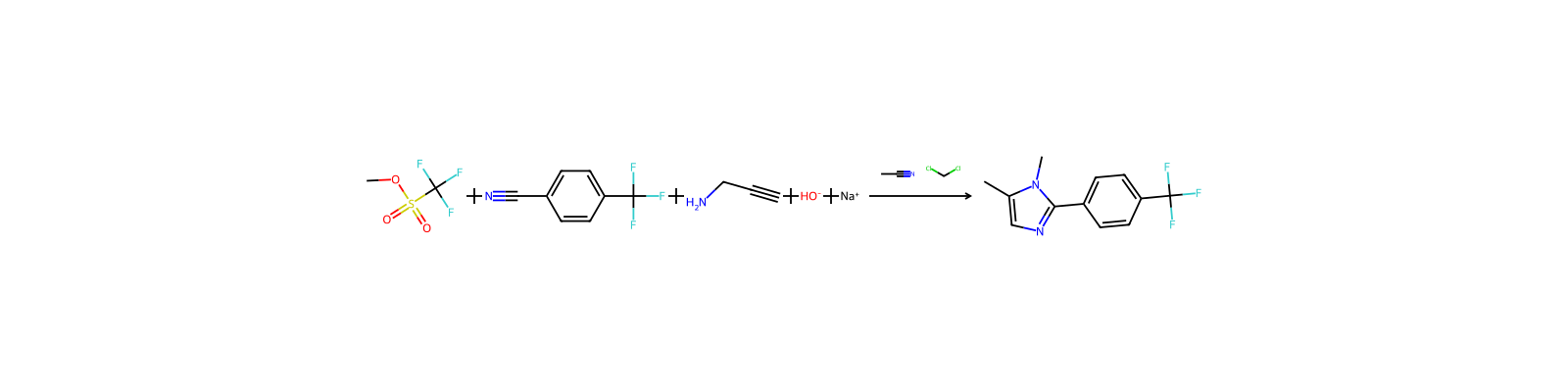
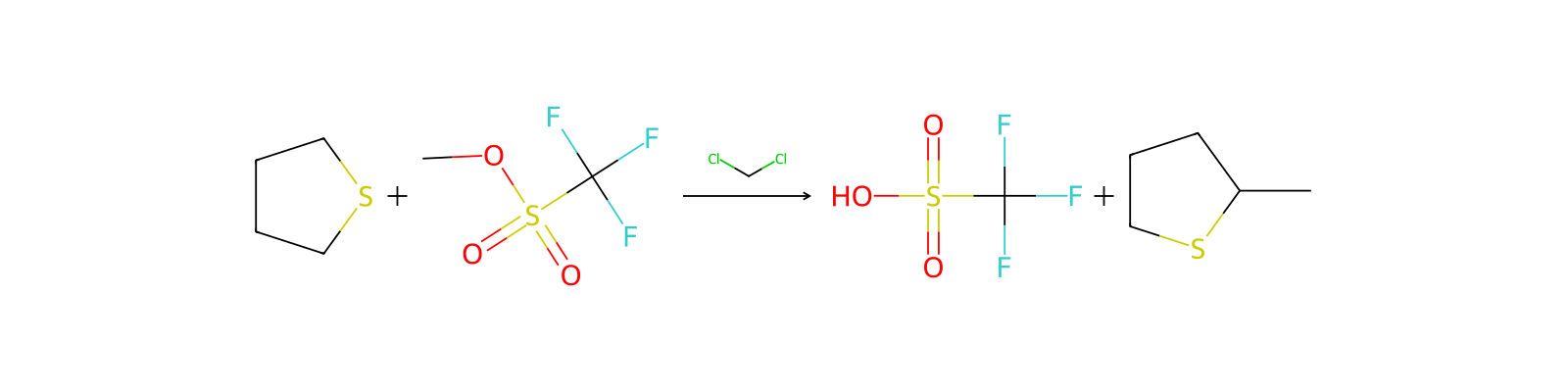
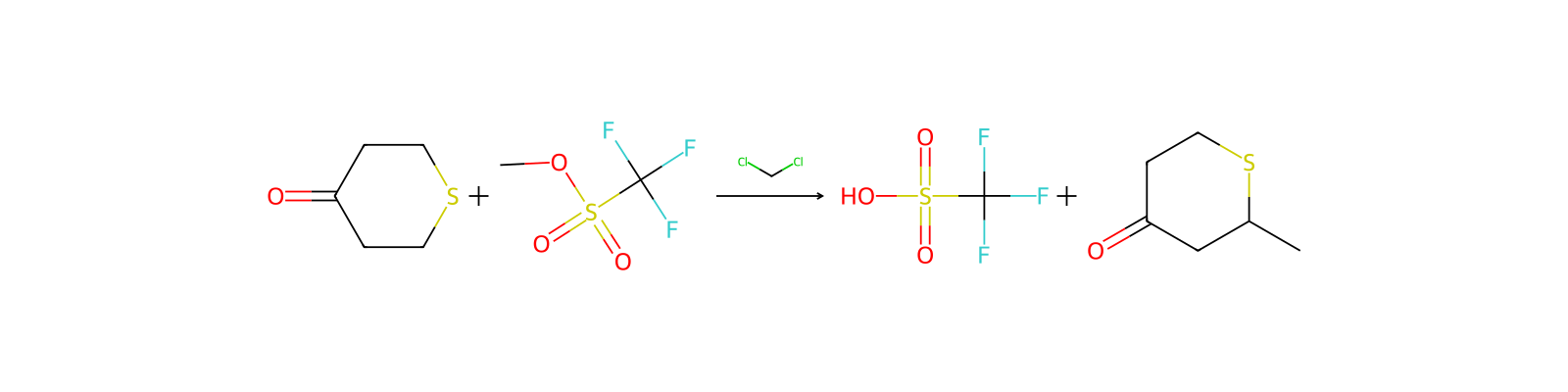
使用Methyl trifluoromethanesulfonate is used as a powerful methylating reagent in chemistry. Further, it is used in the conversion of amines to methyl ammonium triflates. In addition, it is also used in Suzuki reaction.
一般的な説明Methyl trifluoromethane sulfonate is a brown liquid. Insoluble in water. (NTP, 1992) This material is a very reactive methylating agent, also known as methyl triflate.
調製方法
純化方法Methyl trifluoromethanesulfonate (methyl triflate) [333-27-7] M 164.1, b 97 -97.5o/736mm, 9 9o/~760mm, 100-102o/~760mm, d 4 1.496, n D 1.3238. It is a strong methylating agent but is corrosive and POISONOUS. Fractionate it carefully and collecting the middle fraction (use an efficient fume cupboard) and keep away from moisture. It is a POWERFUL ALKYLATING AGENT and a strong IRRITANT. [IR: Gramstad & Haszeldine J Chem Soc 173 1956 , J Chem Soc 4069 1957 .] Trifluoromethanesulfonic acid (triflic acid) [1493-13-6] M 151.1, boils higher (b 162o/atm), has a pKa of 3.10, and is TOXIC and hygroscopic. [Hansen J Org Chem 30 4322 1965, Kurz & El-Nasr J Am Chem Soc 104 5823 1982, Beilstein 3 IV 34.]
上流・下流製品情報
上流原料
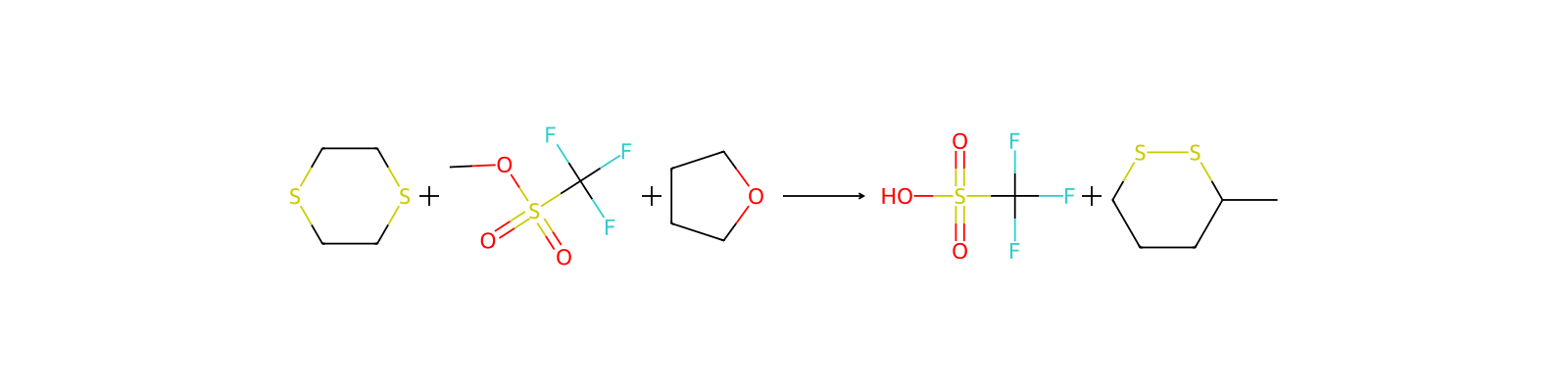
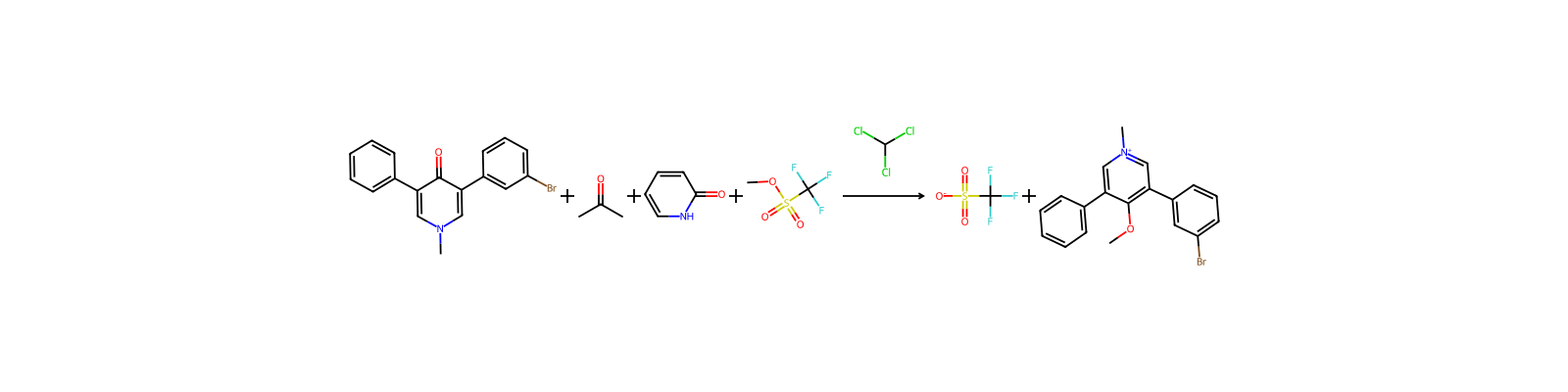
関連反応
245 件


化合物ノート
読み込み中…