反応式

[C:1]([OH:12])(=O)[C:2]1[CH:10]=[C:8]([OH:9])[C:6]([OH:7])=[C:4]([OH:5])[CH:3]=1.C(OC1C=C(C=C(OC(=O)C)C=1OC(=O)C)C(O)=O)(=O)C.C(OC(=O)C)(=O)C.C(Cl)(=O)C.[OH-].[Na+].C([O-])([O-])=O.[Na+].[Na+].S(Cl)(Cl)=O.P(Cl)(Cl)Cl.C(OC1C=C(C=C(OC(=O)C)C=1OC(=O)C)C(Cl)=O)(=O)C.C([O-])(=O)C.[Na+].Cl.C([N:90](CC)CC)C>CO.C(O)C.N1C=CC=CC=1>[C:1]([NH2:90])(=[O:12])[C:2]1[CH:10]=[C:8]([OH:9])[C:6]([OH:7])=[C:4]([OH:5])[CH:3]=1参加物
16
反応物 12
 HCID 313Hydrochloric Acid
 HCID 370Gallic Acid
 HCID 6367Acetyl chloride
 HCID 7918Acetic Anhydride
 HCID 8471Triethylamine
 HCID 10340Sodium Carbonate
 HCID 14798Sodium Hydroxide2 回
 HCID 24386Thionyl Chloride
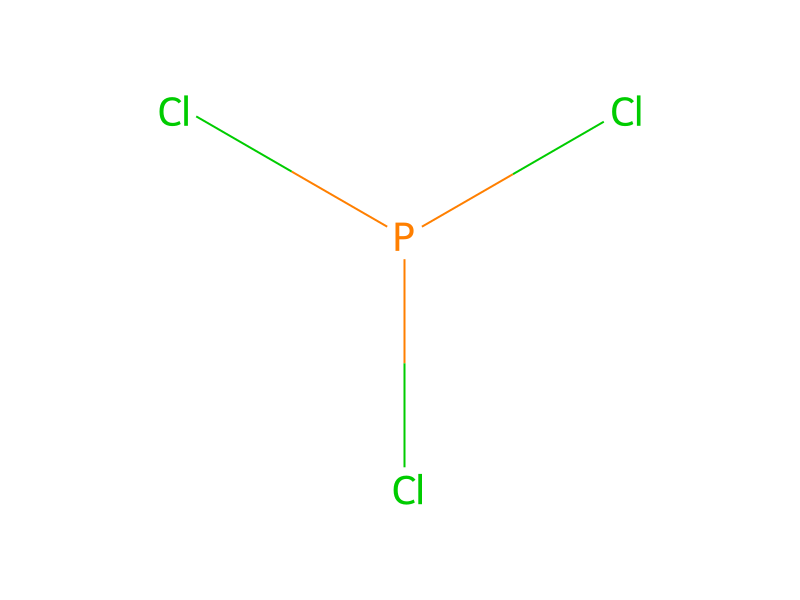 HCID 24387Phosphorus trichloride
 HCID 95088Benzoic acid, 3,4,5-tris(acetyloxy)-
 HCID 1555063,4,5-Triacetoxybenzoyl chloride
 HCID 517045Sodium Acetate
生成物 1

試薬・触媒・溶媒 3



実験手順
Namely, gallic acid is converted into 3,4,5-triacetoxybenzoic acid by reacting with acetic anhydride or acetic acid chloride in the presence of a base such as NaOH (J. Chem. Soc., 2495 (1931)), Na2CO3, pyridine or so on and, further, converted into the corresponding acid chloride by reacting with thionyl chloride or phosphorus trichloride. The thus-obtained 3,4,5-triacetoxybenzoic acid chloride was made to react with an appropriate amine in the presence of a base such as pyridine, triethylamine or the like. Thereafter, the reaction product is treated with sodium acetate, sodium hydroxide or hydrochloric acid in methanol or ethanol to produce an intended gallic acid amide.
出典と根拠
- ORDレコード
- ord-cdde5cb78ea24ee3b3a1e264077d2e68
- 出典データセット
- uspto-grants-1984_10
- 特許番号
- US04476219
関連ノート
読み込み中…