홈MCP워크벤치Skills
홈워크벤치알림마이페이지
llms.txt · MCP 가이드개인정보처리방침 · 이용약관 · 지원v1.8.0
  1. 홈
  2. /반응

Hydrochloric Acid → HCID 20240171, 화합물

HRID 364191
노트
인쇄 미리보기

반응식

HRID 364191 반응식
N[C:2]1[C:10]([O:11][CH3:12])=[CH:9][CH:8]=[C:7]([O:13][CH3:14])[C:3]=1[C:4]([OH:6])=[O:5].[OH-].[Na+].N([O-])=O.[Na+].Cl.C([O-])(=O)C.[K+].O(CC)C([S-])=[S:29].[K+].N#N.Cl[C:37]1[CH:42]=[C:41]([Cl:43])[CH:40]=[CH:39][C:38]=1[N+:44]([O-:46])=[O:45].[Na]>O.[O-]CC.[Na+]>[Cl:43][C:41]1[C:42]2[C:4](=[O:6])[C:3]3[C:2](=[C:10]([O:11][CH3:12])[CH:9]=[CH:8][C:7]=3[O:13][CH3:14])[S:29][C:37]=2[C:38]([N+:44]([O-:46])=[O:45])=[CH:39][CH:40]=1.[Cl:43][C:41]1[CH:40]=[CH:39][C:38]([N+:44]([O-:46])=[O:45])=[C:37]([S:29][C:2]2[C:10]([O:11][CH3:12])=[CH:9][CH:8]=[C:7]([O:13][CH3:14])[C:3]=2[C:4]([OH:6])=[O:5])[CH:42]=1
참가 물질반응 조건실험 절차후처리출처 및 근거반응 노트

참가 물질

13

반응물 9

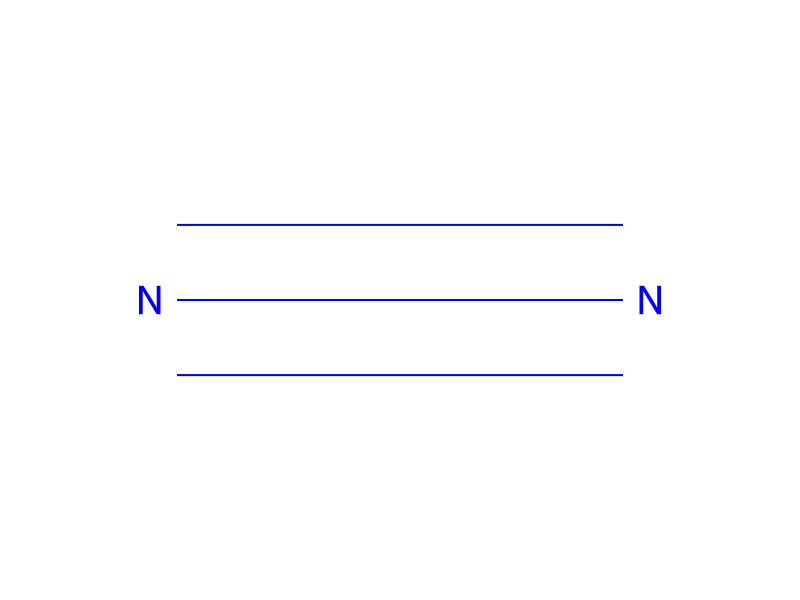
HCID 313Hydrochloric Acid2회HCID 947NitrogenHCID 118992,4-DichloronitrobenzeneHCID 14798Sodium HydroxideHCID 517044Potassium AcetateHCID 12072422-Amino-3,6-dimethoxybenzoic acidHCID 2735045Potassium ethylxanthate
HCID 5360545
Sodium
HCID 23668193Sodium Nitrite

생성물 2

HCID 13689092HCID 13689092, 화합물HCID 20240171HCID 20240171, 화합물수율 87.9%

시약·촉매·용매 2

HCID 962Water용매2회HCID 2723922Sodium ethoxide용매

반응 조건

온도
-5 °C

실험 절차

1-Chloro-5,8-dimethoxy-4-nitro-9H-thioxanthen-9-one is prepared as follows: A solution of 9.5 g (0.048 mol) of 2-amino-3,6-dimethoxybenzoic acid [P. K. Bannerjee and D. N. Chaudhury, J. Indian Chem. Soc., 86 (4), 257 (1959)], 4.6 ml (0.11 mol) of 50% aqueous NaOH, 60 ml of H2O, and 3.3 g (0.048 mol) of NaNO2 was added slowly to a mixture of 15 ml of concentrated HCl and 20 g of ice chips which had been previously cooled in a salt-ice bath to -5° C. Good stirring was maintained throughout the addition and the temperature was kept below 5° C. After the addition was complete, the mixture was stirred to 0° C. for one hour, neutralized (pH 5.5) with potassium acetate, and added while cold in a thin stream to an 80° C. solution of 22.2 g (0.15 mol) of potassium ethyl xanthate in 75 ml of H2O under N2. Copious N2 evolution (foaming) occurred during the addition, and heat was applied as needed to maintain the temperature at 75°-80° C. The reaction mixture, under N2, was cooled to 20° C. and acidified (pH 3) with concentrated HCl. The oily material which separated was extracted into CH2Cl2 (2X), keeping contact with air to a minimum. The extracts were combined, dried under N2 (MgSO4), and concentrated on a steam bath to a brown oil using a stream of N2. The crude 2,5-dimethoxy-6-thiobenzoic acid was immediately dissolved in 40 ml of hot anhydrous EtOH and added to a premixed, 25° C. mixture of 9.2 g (0.048 mol) of 2,4-dichloronitrobenzene in sodium ethoxide [2.2 g (0.096 g atom) of sodium spheres dissolved in 90 ml of anhydrous EtOH]. The resulting suspension was heated under reflux for 16 hours, concentrated to dryness in vacuo and taken up in 250 ml of ether and 250 ml of H2O. The layers were separated and the aqueous layer was extracted twice with ether to remove organic soluble impurities, and made acidic (pH 1) with concentrated HCl. The solid which formed was collected, dried, and recrystallized from EtOH to give a first crop of product. The mother liquor was concentrated to dryness in vacuo and the residue was crystallized from CH3CN to give a second crop of product. The mother liquor was concentrated to dryness in vacuo and the residue was flash chromatographed over 500 g of silica gel, eluting with CH2Cl2 /MeOH (15/1). Combination of the appropriate fractions, concentration to dryness in vacuo, and crystallization of the residue from acetonitrile provided a third crop of product. All crops were combined to give 7.8 g of 2-[(5-chloro-2-nitrophenyl)-thio]-3,6-dimethoxybenzoic acid, mp 218°-220° C.


후처리

  1. temperaturewas maintained throughout the addition
  2. customwas kept below 5° C
  3. additionAfter the addition
  4. stirringthe mixture was stirred to 0° C. for one hour
  5. temperatureheat
  6. temperatureto maintain the temperature at 75°-80° C
  7. temperatureThe reaction mixture, under N2, was cooled to 20° C.
  8. customThe oily material which separated
  9. extractionwas extracted into CH2Cl2 (2X)
  10. customdried under N2 (MgSO4)
  11. concentrationconcentrated on a steam bath to a brown oil
  12. dissolutionThe crude 2,5-dimethoxy-6-thiobenzoic acid was immediately dissolved in 40 ml of hot anhydrous EtOH
  13. temperatureThe resulting suspension was heated
  14. temperatureunder reflux for 16 hours
  15. concentrationconcentrated to dryness in vacuo
  16. customThe layers were separated
  17. extractionthe aqueous layer was extracted twice with ether
  18. customto remove organic soluble impurities
  19. customThe solid which formed
  20. customwas collected
  21. customdried
  22. customrecrystallized from EtOH
  23. customto give a first crop of product
  24. concentrationThe mother liquor was concentrated to dryness in vacuo
  25. customthe residue was crystallized from CH3CN
  26. customto give a second crop of product
  27. concentrationThe mother liquor was concentrated to dryness in vacuo
  28. customchromatographed over 500 g of silica gel
  29. washeluting with CH2Cl2 /MeOH (15/1)
  30. concentrationCombination of the appropriate fractions, concentration to dryness
  31. customin vacuo, and crystallization of the residue from acetonitrile
  32. customprovided a third crop of product

출처 및 근거

ORD 기록
ord-0c0b35c840d846b294478acc8ea62cea
출처 데이터셋
uspto-grants-1986_08
DOI
10.6084/m9.figshare.5104873.v1
특허 번호
US04604390

반응 노트

불러오는 중…

이 페이지에서참가 물질반응 조건실험 절차후처리출처 및 근거반응 노트