반응식

NCC(O)=O.[C:6]([O:13]CC)(=O)[C:7]([O:9]CC)=O.[NH2:16][C:17]1[CH:22]=[CH:21][CH:20]=[CH:19][C:18]=1[NH2:23].C(O)(=O)C(O)=O.OS(O)(=O)=O.OP(O)(O)=O>Cl>[NH:16]1[C:17]2[C:18](=[CH:19][CH:20]=[CH:21][CH:22]=2)[NH:23][C:6](=[O:13])[C:7]1=[O:9]참가 물질
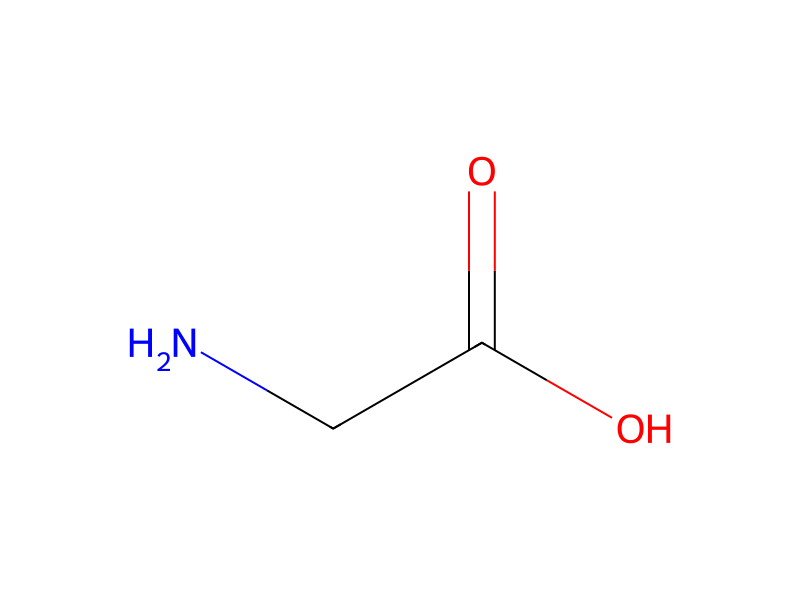
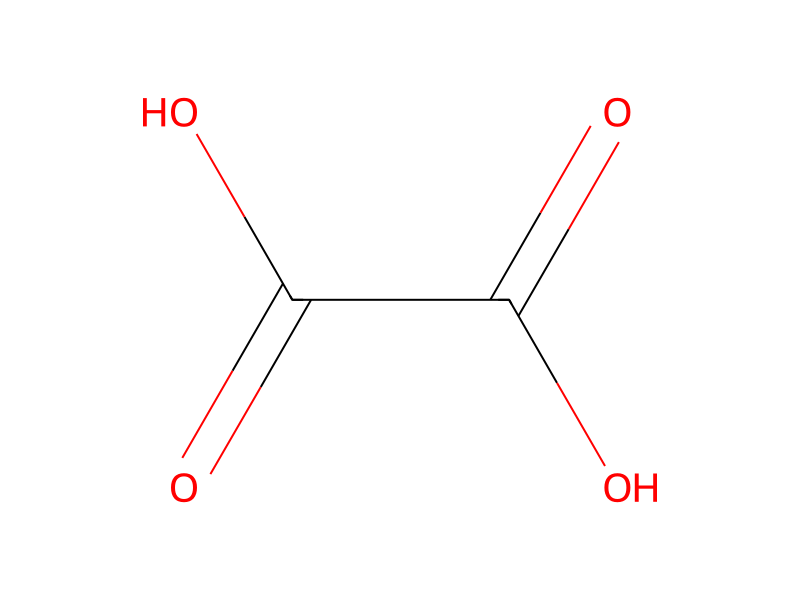


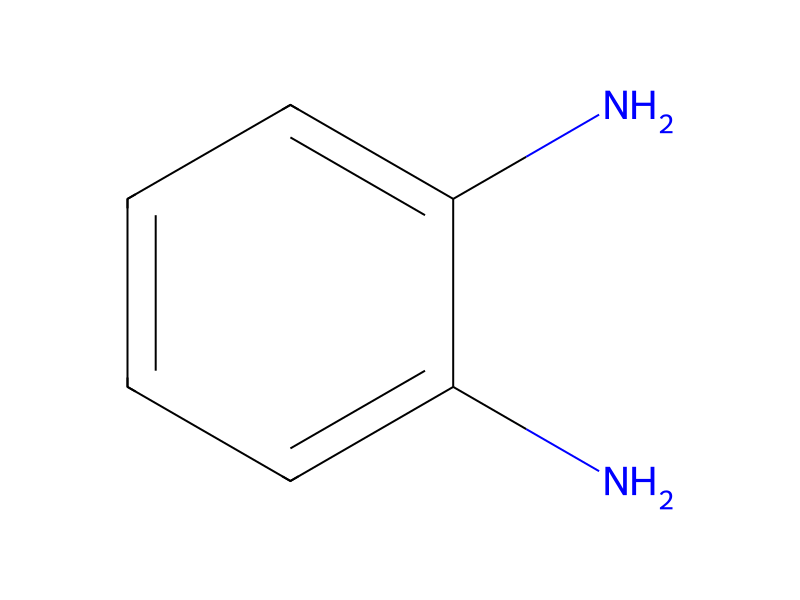



실험 절차
The compounds synthesized for testing as potential glycine antagonists which are not substituted on the amide (1 or 4) position are summarized below (Table I). Most were available by simple condensation of diethyl oxalate with the corresponding diaminobenzene according to Cheeseman, G. W. H., J. Chem. Soc. 1171 (1962). The 1,4-dihydro-2,3-quinoxalinediones may be easily prepared in high yield by heating oxalic acid and the corresponding o-diamine to about 100° to 140° C. for 1 to 10 hr. in the presence of a strong mineral acid such as HCl, H2SO4, H3PO4 and the like. See, Mager and Berends, Rec. Trav. Chim. 77:842 (1958). In a preferred embodiment, oxalic acid and the o-diamine are heated to 125° C. in 2N HCl for 2.5 hours to give the corresponding 1,4-dihydro-2,3-quinoxalinedione in high yield.
후처리
- customin high yield
출처 및 근거
- ORD 기록
- ord-428c7f4d2da24a1dabac8f7c9e8c75d0
- 출처 데이터셋
- uspto-grants-1997_04
- 특허 번호
- US05622952
연결된 노트
불러오는 중…