Hydrochloric Acid → isobutyl 2-0-tetrahydropyranyl-(R)-lactate
Reaction equation

[C:1]([O:6][CH2:7][CH:8]([CH3:10])[CH3:9])(=[O:5])[C@@H:2]([CH3:4])[OH:3].[O:11]1[CH:16]=[CH:15][CH2:14][CH2:13][CH2:12]1.Cl>CN(C)C=O.[Cl-].[Ca+2].[Cl-].[Ag]=O>[O:11]1[CH2:12][CH2:13][CH2:14][CH2:15][CH:16]1[C@@:2]([CH3:4])([OH:3])[C:1]([O:6][CH2:7][CH:8]([CH3:10])[CH3:9])=[O:5]Participants
7
Reactant 3



Product 1

Reagents, catalysts & solvents 3

Procedure
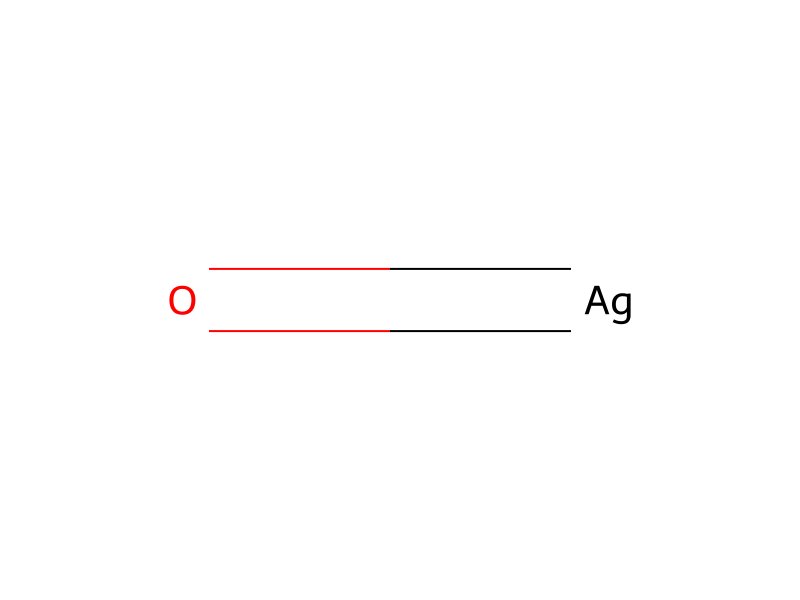
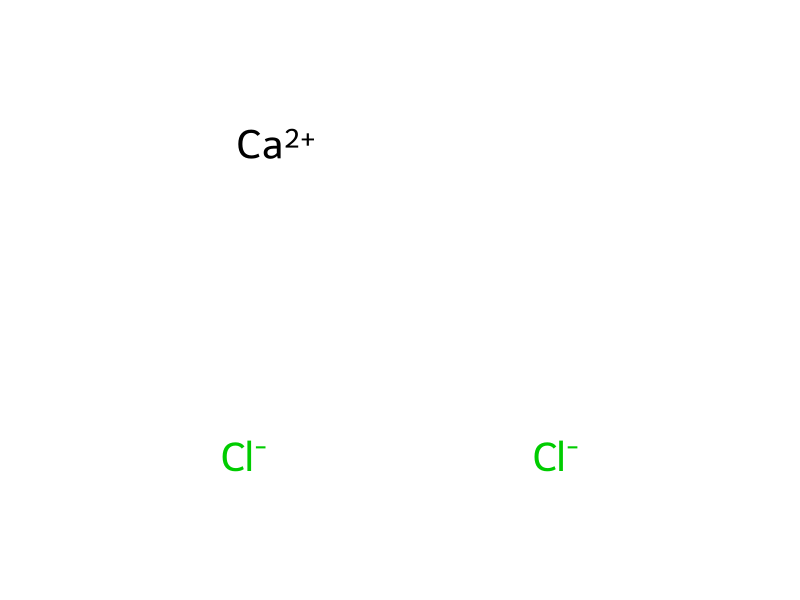
A mixture of isobutyl (R)-lactate (73 g, 0,5 mol, Merck) and 3,4-dihydro-2H-pyran (70 g, 0,83 mol, Merck) was treated with 5M hydrogen chloride in dimethylformamide (4 ml) and set aside at ambient temperature overnight in calcium chloride protected 250 ml round-bottom flask. Silver oxide (15 g) was added, the mixture stirred magnetically for 2 hours and then filtered. The product was isolated by distillation (13 Pa, b.p. 94-96° C.) to provide isobutyl 2-0-tetrahydropyranyl-(R)-lactate (102.5 g, 89%) as a colorless oil.
Workup
- filtrationfiltered
- customThe product was isolated by distillation (13 Pa, b.p. 94-96° C.)
Sources & evidence
- ORD record
- ord-40ee967686ce4f2692533b91e6206abf
- Source dataset
- uspto-grants-2002_11
- Patent number
- US06479673B1
Reaction notes
Loading…