Methyl Acrylate → HCID 53762108, compound
Reaction equation

Br[C:2]1[C:3]([C:12]([O:14][CH3:15])=[O:13])=[CH:4][C:5]([C:8]([O:10][CH3:11])=[O:9])=[N:6][CH:7]=1.[C:16]([O:20][CH3:21])(=[O:19])[CH:17]=[CH2:18].C(N(CC)CC)C.C1(P(C2C=CC=CC=2)C2C=CC=CC=2)C=CC=CC=1>C(OCC)(=O)C.C([O-])(=O)C.C([O-])(=O)C.[Pd+2]>[CH3:21][O:20][C:16]([CH:17]=[CH:18][C:2]1[C:3]([C:12]([O:14][CH3:15])=[O:13])=[CH:4][C:5]([C:8]([O:10][CH3:11])=[O:9])=[N:6][CH:7]=1)=[O:19]Participants
7
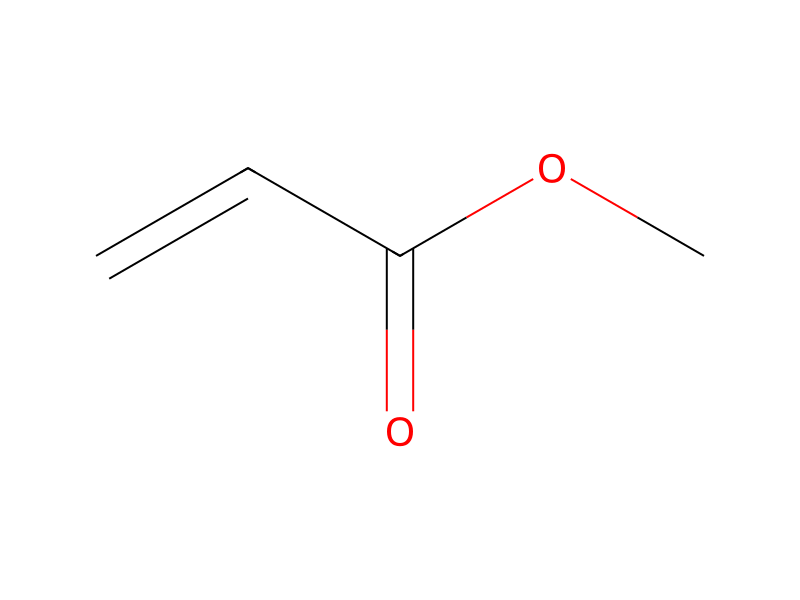






Procedure
500 mg of dimethyl 5-bromo-pyridine-2,4-dicarboxylate (from Example 3) are heated at 140° C. in an autoclave with 10 ml of methyl acrylate, 0.5 ml of triethylamine, 11 mg of palladium diacetate and 22 mg of triphenylphosphine for 14 hours. After cooling, the mixture is diluted with ethyl acetate, the solid is filtered off and the solvent is evaporated together with the excess methyl acrylate. The product is chromatographed (silica gel) to give 330 mg of a white solid.
Workup
- temperatureAfter cooling
- filtrationthe solid is filtered off
- customthe solvent is evaporated together with the excess methyl acrylate
- customThe product is chromatographed (silica gel)
Sources & evidence
- ORD record
- ord-8ec55d3446ac47079cdc0b6b37f3c259
- Source dataset
- uspto-grants-1991_04
- Patent number
- US05004748
Reaction notes
Loading…