Ethyl Acrylate → HCID 59555434, compound
Reaction equation

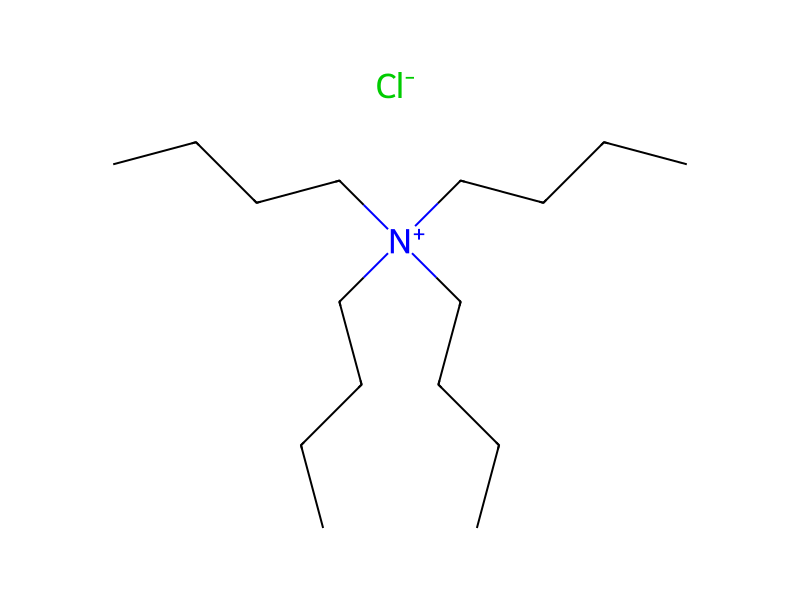
Br[C:2]1[CH:7]=[CH:6][CH:5]=[C:4]([CH2:8][OH:9])[N:3]=1.[C:10]([O:14][CH2:15][CH3:16])(=[O:13])[CH:11]=[CH2:12].C(=O)(O)[O-].[Na+]>CN(C=O)C.[Cl-].C([N+](CCCC)(CCCC)CCCC)CCC.C([O-])(=O)C.[Pd+2].C([O-])(=O)C>[OH:9][CH2:8][C:4]1[N:3]=[C:2](/[CH:12]=[CH:11]/[C:10]([O:14][CH2:15][CH3:16])=[O:13])[CH:7]=[CH:6][CH:5]=1Participants






Conditions
- Temperature
- 80 °C
Procedure
2-Bromopyridine-6-methanol (2 g) was dissolved in 10 mL of dry DMF, and 1.73 mL of ethyl acrylate, 2.95 g of tetra(n-butyl)ammonium chloride, 1.78 g of sodium bicarbonate and 2 g of Molecular Sieves (Molecular Sieves 3A ( 1/16)) to the above solution, additionally under argon atmosphere 119 mg of palladium(II) acetate was added thereto, and then the mixture was stirred at 80° C. for 5 hours. After being cooled, the insoluble portion was filtrated off, and water was added thereto and then the mixture was extracted with ethyl acetate. The organic layer was washed with brine, dried over anhydrous magnesium sulfate, and concentrated under reduced pressure. The residue was purified by chromatography on silica gel (hexane-ethyl acetate=2:1) to give 1.39 g of ethyl 3-(6-hydroxymethylpyridin-2-yl)-trans-acrylate as a light yellow oil.
Workup
- temperatureAfter being cooled
- filtrationthe insoluble portion was filtrated off
- additionwater was added
- extractionthe mixture was extracted with ethyl acetate
- washThe organic layer was washed with brine
- dry with materialdried over anhydrous magnesium sulfate
- concentrationconcentrated under reduced pressure
- customThe residue was purified by chromatography on silica gel (hexane-ethyl acetate=2:1)
Sources & evidence
- ORD record
- ord-bdc23a25afc24601812532894d815e53
- Source dataset
- uspto-grants-2010_11
- Patent number
- US07834002B2
Reaction notes
Loading…