Methanesulfonic Acid → 1-Nonanol
Reaction equation

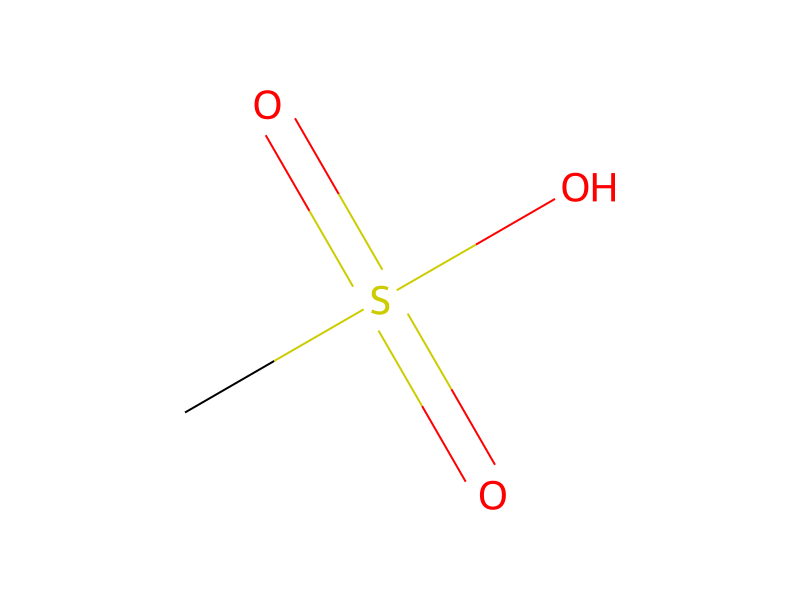
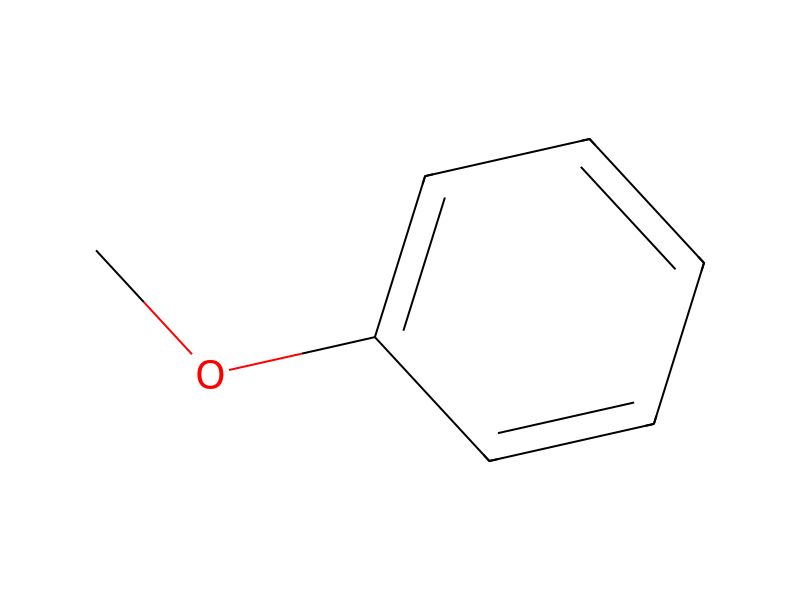
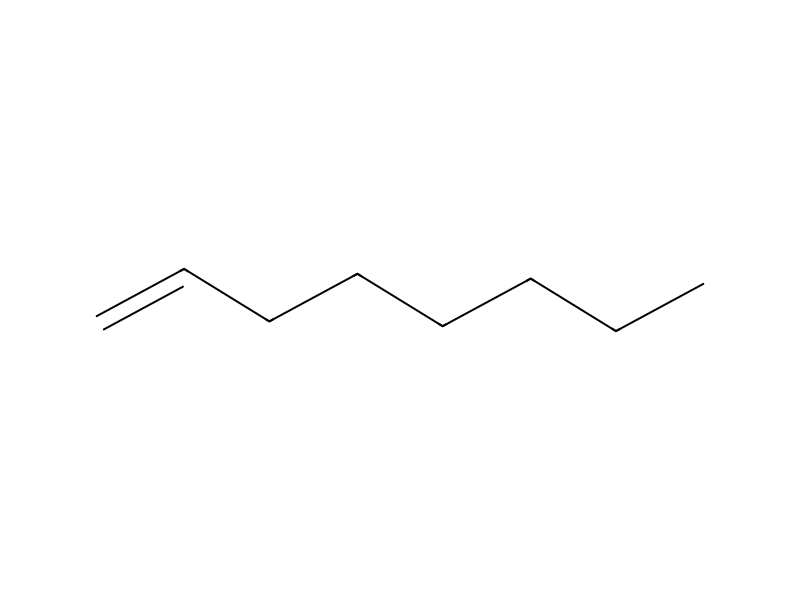
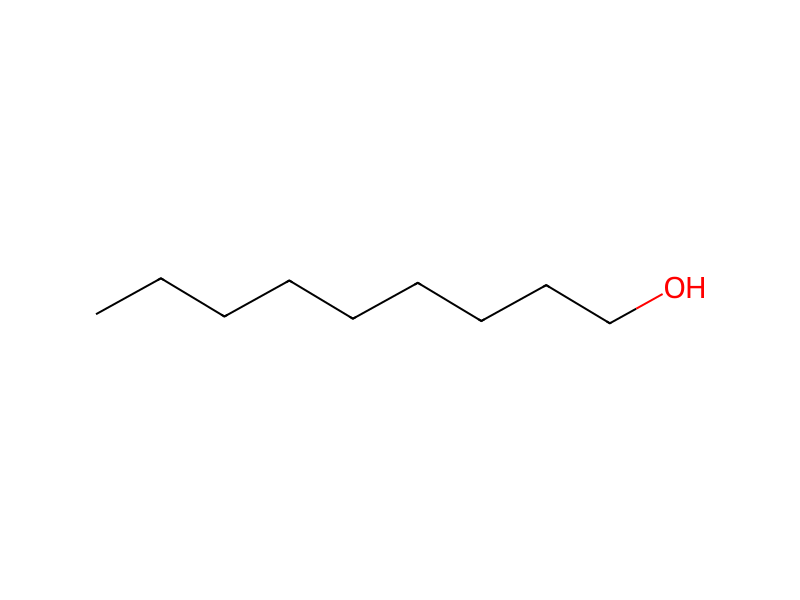
[C:1]1([O:7]C)[CH:6]=[CH:5][CH:4]=[CH:3][CH:2]=1.CS(O)(=O)=O.C(O[CH2:17][CH2:18][CH2:19]C)=O.C=CCCCCCC.C(O)#CCCCCC(C)C>C([O-])(=O)C.[Pd+2].C([O-])(=O)C.O>[CH2:1]([OH:7])[CH2:6][CH2:5][CH2:4][CH2:3][CH2:2][CH2:17][CH2:18][CH3:19]Participants
Reactant 5


Product 1
Reagents, catalysts & solvents 2


Conditions
- Temperature
- 110 °C
Procedure
A 500 mL autoclave was charged with 0.76 mmol palladium (II)acetate, 1.07 mmol of a mixture of 1.2-bis(9-phosphabicyclononyl)ethane, 20.2 mL of anisole (as solvent), 0.45 mL methanesulfonic acid (MSA), 4.80 mL water, 7.91 mL butyl formate (as promoter), and 156 mL octene, 83 ml isononynol. The autoclave was flushed with an equimolar mixture of carbon monoxide and hydrogen pressurized to a total pressure of 50 bar. The autoclave was then sealed and the mixture was heated to 110° C. The reaction was continued for 8 hours and subsequently the reaction mixture was cooled to room temperature and the pressure released. 163 g of nonyl alcohol product was produced (94% conversion of starting material). The reaction rate was about 0.36 hr-1. There was no noticeable paraffin make. This example illustrates that the use of a formic acid derivative as a promoter results in high conversion/high selectivity reactions with excellent reaction rates.
Workup
- customThe autoclave was flushed with an equimolar mixture of carbon monoxide and hydrogen
- customThe autoclave was then sealed
- temperaturesubsequently the reaction mixture was cooled to room temperature
Sources & evidence
- ORD record
- ord-a5bcf6ce04ac45bf926811278eeec38c
- Source dataset
- uspto-grants-2000_03
- Patent number
- US06037506
Reaction notes
Loading…