Oxygen → 1-Adamantanol
Reaction equation

[CH:1]1[C:13]2[CH2:12][C:11]3[C:6](=[CH:7][CH:8]=[CH:9][CH:10]=3)[C:5]=2[CH:4]=[CH:3][CH:2]=1.C12CC3CC(CC(C3)C1)C2.O=O.[OH:26]N1C(=O)C2=CC=CC=C2C1=O>>[C:9]12([OH:26])[CH2:8][CH:7]3[CH2:6][CH:11]([CH2:12][CH:13]([CH2:5]3)[CH2:1]1)[CH2:10]2.[C:1]1(=[O:26])[C:13]2[C:5]([C:6]3[C:11]([CH:12]=2)=[CH:10][CH:9]=[CH:8][CH:7]=3)=[CH:4][CH:3]=[CH:2]1Participants
6



Procedure
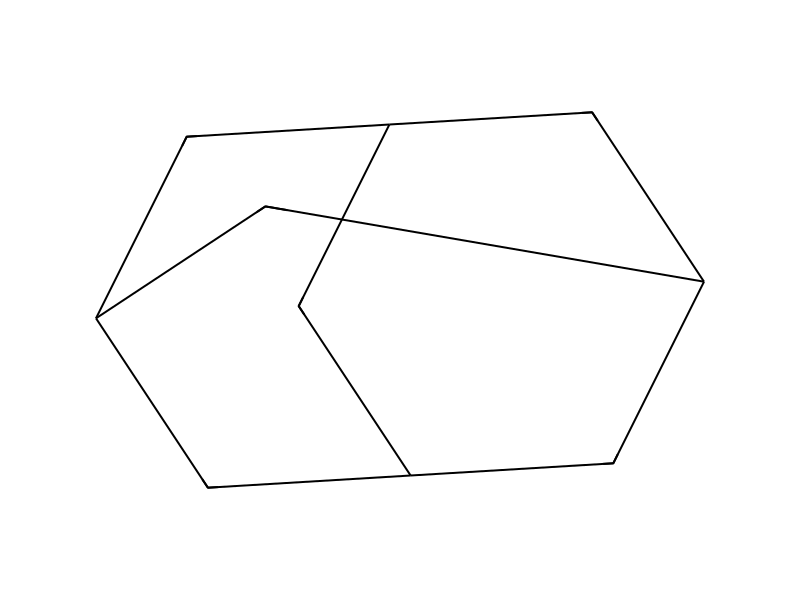
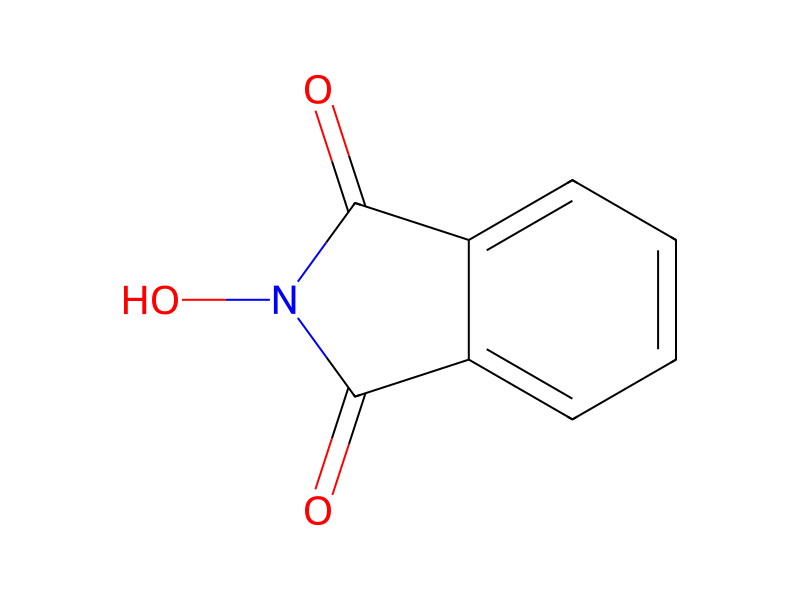
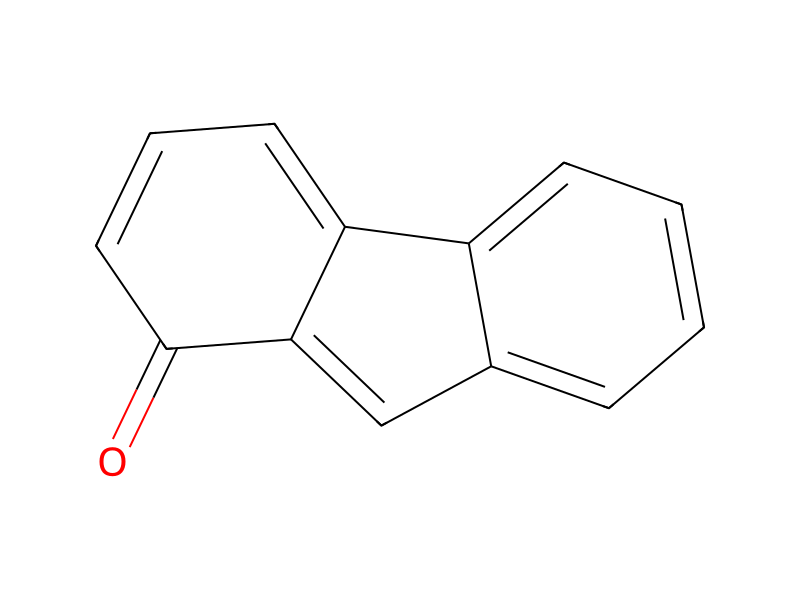
In page 762 of the "Lecture Draft II" (1994) of 67th Spring Annual Meeting of Chemical Society of Japan, it is reported that oxidation of an alcohol such as benzyl alcohol or benzhydrol with air using vanadomolybdophosphoriate and N-hydroxyphthalimide provides a ketone such as acetophenone or benzophenone in a high yield, and that oxidation of fluorene or adamantane with oxygen using N-hydroxyphthalimide gives a corresponding adamantanol or fluorenone.
Sources & evidence
- ORD record
- ord-7ca3d62deb444295a7f83ee2af8410dc
- Source dataset
- uspto-grants-2000_03
- Patent number
- US06037507
Reaction notes
Loading…